
Previous Next

JAPJI, The Intellective Directions To The Ultimate Freedom

Japji Sahib

Regardless the status we enjoy, one thing is very clear that whatever we advocate today openly, we may find it incorrect as we learn later on about it further in depth. Such dilemma might have happened to those, who harbor open mind to new searches and experiments. In Sikh circles, I have noticed that many groups are stuck to their agendas so blindly that they don’t budge in regardless how strongly their beliefs are proven wrong; this is a tragedy of living in ignorance that blurs any apparent logic. This factual cultural inclination is found in all groups everywhere in the world; unfortunately, many of the Sikhs are prone to obstinacy that is deeply rooted in their conceit that embraces ignorance over sanity for its satisfaction. There are many issues, which are debated with reasoning in the Sikh circles; nonetheless, still some debaters never change their stance even if their self defensive behavior appears very infantile, because, being befogged by conceit, learning through dialogue doesn’t fit in their mind-set. Indulging in their debates once, I have learned that it is futile to convince a person, who has taken a stand and determined not to listen whatever logic is presented. Understanding the Gurbani is not that much difficult as it has been said by many scholars. Because the Gurbani is in poetic form, its meanings are often taken very differently depending upon a person and his or her affiliation to a chosen school regardless the fact that it has been interpreted and reinterpreted throughout Sri Guru Granth Sahib. Why even we need an endorsement of a school when we see the Gurbani already interpreted by its authors? I wonder how the Guru’s message can be different! Unfortunately, the truth is advocated otherwise. I have read various commentaries on Japji by many scholars, but I have found a profound and convincing ideology the Guru has expressed in it only through studying the bani of Sri Guru Granth Sahib in its entirety. If one hasn’t studied Sri Guru Granth Sahib completely, one has no right to give commentary on Japji, because the contents of Japji has been widely elaborated by First Nanak, Second Nanak, Third Nanak, Fourth Nanak, Fifth Nanak and Ninth Nanak.  Keeping this in mind, I have prepared a commentary on Japji, hoping it will help the Gurbani lovers; however, having said that, I humbly refuse to make any sophistry claim about its being the best one.

               Before I start the Guru’s discourse, I request you that in his Bani, he is very well aware that the world we all are put in is real, beautiful, fascinating and sometimes ugly; however, thorns of miseries, pains and tragedies are also embedded with it just as a big rose plant loaded with flowers also has its thorns well alive; if one embraces it to enjoy its fragrance without being careful, one will get hurt certainly with its thorns, and in the same way, the world, being beautiful and fascinating, is also loaded with thorn-like pains and miseries; therefore, dealing with it, one needs to be careful. A wise person just enjoys rose-plant beauty by standing close to it  ignoring his or her urge to embrace it; Akalpurakh’s lover simply remains detached to the beautiful and ugly world while living as a witness right in it by not involving in its attractions; however, this doesn’t mean ignoring familial and moral duties. In Japji, first the Guru introduces to us our all-pervading Creator, who is premating everywhere and everything.  The entire introduction, also called “Mool Mantra “by some people, is in prose though every word used in it has a poetic gloss.

          Many promoters of Hindu scriptures claim that what Guru Nanak ji says about the Creator is already in the old Sanskrit scriptures; nonetheless, they fail to understand that the ultimate Truth was never new or will be ever old, and Guru Nanak ji has elaborated the Creator as per his own experience, and he hasn’t considered worthy of mentioning their scripture, Gita, they refer to so proudly while commenting on his bani. In their scriptures, if they find glimpses of the Creator the Guru expresses, they should also understand that he has openly declared that anyone can experience the Creator through a Guru, who has experienced Him, the ultimate Truth. They should also realize that if their scriptures have references of the same Creator, they are also loaded with the duality concepts that have buried the truth about Him under so many add-ons. Obviously their commenting this way on Sri Guru Nanak ji is nothing but their feeling of envy towards his audacious campaign of bringing spiritual knowledge to common people.

          You will notice as you go through “Japji”, the Guru’s focus remains fixed on the Creator while elaborating on various mythological characters, make up religious traditions and coined up definitions of spirituality established by business minded people, who actually created impediments to a true spiritual realm; he keeps repudiating all of them by introducing his own spiritual experience of the Creator; consequently, his true followers become able to be free of dogmatic bonds in the names of various religions though he never criticizes any religion particularly. Truly he is not seen interested in that instead he is found involved in unbinding humans’ bonds created by various groups to their personal interest and advantage. Unfortunately and ironically, today in the name of his path, many bonds are created contrary to his mission of enabling the mortals to be free like a flying bird in search of their beloved “Ekankar”.

Introduction:

Page 1

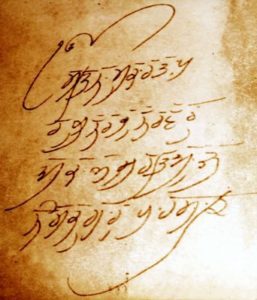
ੴ ਸਤਿ ਨਾਮੁ ਕਰਤਾ ਪੁਰਖੁ 

ਨਿਰਭਉ ਨਿਰਵੈਰੁ ਅਕਾਲ ਮੂਰਤਿ ਅਜੂਨੀ ਸੈਭੰ ਗੁਰ ਪ੍ਰਸਾਦਿ ॥

Ik-oaʼnkār saṯ nām karṯā purakẖ

nirbẖa-o nirvair akāl mūraṯ ajūnī saibẖaʼn gur parsāḏ.

In essence: There is only one all pervading Creator, whose name is a reality. He is the Creator, who is beyond fear and animosity. His form is beyond death and birth. He is from Himself (self illumined); He is known through the Guru’s blessings.

               It will be useful to understand the concept of the Creator explained by First Nanak if we understand “ੴ”; it will also become easy to understand toward whom the Guru leads his followers. First, is a symbol of number one; First Nanak himself on 57, SGGS, does its usage and description:

ਨਾਨਕ ਏਕੋ ਰਵਿ ਰਹਿਆ ਦੂਜਾ ਅਵਰੁ ਨ ਕੋਇ ॥੮॥੬॥

Nānak eko rav rahi-ā ḏūjā avar na ko-e. ||8||6||

{SGGS–57}

In essence: Oh Nanak! There is none but only one (Akalpurakh), who is pervading all over.

And, on 350, SGGS, he says:

ਸਾਹਿਬੁ ਮੇਰਾ ਏਕੋ ਹੈ ॥

ਏਕੋ ਹੈ ਭਾਈ ਏਕੋ ਹੈ ॥੧॥ ਰਹਾਉ ॥

Sāhib merā eko hai. 

Ėko hai bẖā-ī eko hai. ||1|| rahā-o.

{SGGS–350}

In essence: My Master is but one. Oh brother! My Master is one only. Pause.

               In the following verses, the virtues of “the only one Creator” are expressed as the Guru defines Him as a unique entity on 9, SGGS:

ਨਾ ਓਹੁ ਮਰੈ ਨ ਹੋਵੈ ਸੋਗੁ ॥  ਦੇਦਾ ਰਹੈ ਨ ਚੂਕੈ ਭੋਗੁ ॥

ਗੁਣੁ ਏਹੋ ਹੋਰੁ ਨਾਹੀ ਕੋਇ ॥  ਨਾ ਕੋ ਹੋਆ ਨਾ ਕੋ ਹੋਇ ॥੩॥

Nā oh marai na hovai sog. Ḏeḏā rahai na cẖūkai bẖog.

Guṇ eho hor nāhī ko-e. Nā ko ho-ā nā ko ho-e. ||3||

{SGGS–9}

In essence: Ekankar doesn’t die; therefore, there is no mourning for Him (all people die and they are mourned); He keeps giving and the prevision of “His giving away” doesn’t run out. This is a quality of Ekankar that there is none like Him; neither like Him existed before, nor would be ever.

               This way, the Guru stresses on the Creator’s being only one; therefore, is one word all together.

               The second part of “ੴ” is “ਓ” = ਓਅੰ; Dr. Sahib Singh writes: It is a word of Sanskrit used in three contexts:

a). To be written in the beginning of a sacred scripture.

b). To say “yes” in response to an order.

c). It is used for the Creator.

Bhai Gurdas in Vaar 3, stanza 15, describes for what “ਓ” stands, and that is “Onkar”; he also says that by using “੧ Eka/one” (“not ikk”) with , the Guru makes it “Ekankar.” Basically, it is Onkar, who creates and destroys (Dakhni Onkar, 929, SGGS). It is also the Guru’s rejection of the three entities, established in the Hindu scriptures, having different jobs like one creates, the second one kills and the third one provides sustenance to the created ones, it is on 7, SGGS.

ਏਕਾ ਮਾਈ ਜੁਗਤਿ ਵਿਆਈ ਤਿਨਿ ਚੇਲੇ ਪਰਵਾਣੁ ॥ 

ਇਕੁ ਸੰਸਾਰੀ ਇਕੁ ਭੰਡਾਰੀ ਇਕੁ ਲਾਏ ਦੀਬਾਣੁ ॥ 

Ėkā mā-ī jugaṯ vi-ā-ī ṯin cẖele parvāṇ.

Ik sansārī ik bẖandārī ik lā-e ḏībāṇ.

{SGGS–7}

In essence: From Maya have come the three accepted (by some) disciples (obedient sons of Maya) into existence; (It is believed) one of them is house-holder (as a family man who makes babies), the second one of them takes care of the creation with the stores he has and the third one of them sets up the court (to decide who should die).

               Interestingly, the Guru rejects all of them by acknowledging only Ekankar as the sole doer of everything by saying that the people just don’t see Him though He does (7, SGGS).

               It is very important to know that Bhagat Kabir also refers the Creator as “Onkar” in Bavan Akhri, 340, SGGS; however, by using and together, First Nanak names “Onkar” as “Ekankar”; as stated above, Bhai Gurdas in Vaar, stanza 15, pronounces as “Eka” not Ikk. In Sri Guru Granth Sahib I haven’t found “Ikk Onkaar” but “Ekankaar”. Many Sikhs pronounce “ੴ” as “ikk onkar” also; Ekankar is referred in SGGS for the all pervading Creator. Please also keep in mind that when “one” (ਇਕੁ Ikk) is actually used with Ekankar, then the Gurmukhilipiounkud of the last letter is taken away; examples:

On 189, SGGS, “ਇਕੁ /IKK” is not used before Ekankar and ounkud is used with its last letter:

ਦ੍ਰਿਸਟਿ ਆਵੈ ਸਭੁ ਏਕੰਕਾਰੁ ॥੨॥

Ḏarisat āvai sabẖ ekankār. ||2||

{SGGS–189}

Means: Everywhere Ekankar is seen.

               Now see on 276, SGGS, ਇਕੁ /IKK is used before Ekankar, but Ounkud is taken away.

ਸਦਾ ਸਦਾ ਇਕੁ ਏਕੰਕਾਰ ॥

Saḏā saḏā ik ekankār.

{SGGS–276}

Means: Forever is only (one) Ekankar.

Above ਇਕੁ is used as an adjective not noun. On 736, SGGS, all boundaries of oneness of the Creator are expressed by using Ekankar without Ounkud. Here is Fifth Nanak:

ਭ੍ਰਮਨ ਛੂਟੇ ਤੇ ਏਕੰਕਾਰ ॥੩॥

Bharam chhootay tay aikankaar.  ||3||

{SGGS–736}

Means: When one’s doubt is eliminated, one sees only Ekankar.

               Obviously, First Nanak expresses oneness of the Creator with “ੴ” by rejecting the prevailed and frequently used word “OM”; therefore, relating Sri Guru Nanak ji to Hinduism is a fallacy and a delusional intent as he was well aware that “OM” was divided into many powers and those powers were not only named separately but dubbed as “revered entities”. In this context, the Guru rejects dividing “Ekanakar” into various powers, because He is “Kartapurakh/ ਕਰਤਾ ਪੁਰਖੁ (Active with all powers).

ਸਤਿ: Means reality with existence. It is also expressed by using “ਸਚੁ “ which means “eternal”, but the eternity of Ekankar is expressed through the words “ਅਕਾਲ ਮੂਰਤਿ /Akāl Mūraṯ” and the slok that follows “Jap”. Here it expresses the reality of the Creator’s existence.

ਨਾਮੁ /Naam/name is not only used for the name of the Creator but also for the Creator; in other words ਨਾਮ is used as Ekankar, or Akalpurakh, Har, Prabh and His other names. I have tried not to use “the” article with ਨਾਮ /Naam”, wherever it is used for Akalpurakh. Examples: 284, SGGS:

ਨਾਮ ਕੇ ਧਾਰੇ ਸਗਲੇ ਜੰਤ ॥ 

ਨਾਮ ਕੇ ਧਾਰੇ ਖੰਡ ਬ੍ਰਹਮੰਡ ॥

Nām ke ḏẖāre sagle janṯ. 

Nām ke ḏẖāre kẖand barahmand.

{SGGS–284}

In essence: Akalpurakh (ਨਾਮ) has established the lives. Akalpurakh has established the earth and the solar systems.

246, SGGS, ਨਾਮ / Naam is used for Akalpurakh and His name as well:

ਨਾਮੇ ਉਪਜੈ ਨਾਮੇ ਬਿਨਸੈ ਨਾਮੇ ਸਚਿ ਸਮਾਏ ॥

Nāme upjai nāme binsai nāme sacẖ samā-e.

{SGGS–246}

In essence: From “Ekankar” we emanate; we will perish into “Ekankar”; through ਨਾਮ His name, we get absorbed in Ekankar.

               Besides ਨਾਮ / Naam”, “ਨਾਉ / naaon” or “ਨਾਵੈ /naavain” also used in the same manner; examples on 19, SGGS:

ਤਨ ਸੂਚਾ ਸੋ ਆਖੀਐ ਜਿਸੁ ਮਹਿ ਸਾਚਾ ਨਾਉ ॥

Ŧan sūcẖā so ākẖī-ai jis mėh sācẖā nā-o. 

{SGGS–19}

In essence: Pure is that person (body) in whom dwells the name of the eternal Creator. And on 27, SGGS:

ਮਨਮੁਖ ਗੁਣ ਤੈ ਬਾਹਰੇ ਬਿਨੁ ਨਾਵੈ ਮਰਦੇ ਝੂਰਿ ॥੨॥

Manmukẖ guṇ ṯai bāhre bin nāvai marḏe jẖūr. ||2||

{SGGS–27}

In essence: The mind-slaves die in frustration without His name and virtues.

               Very clearly, the Guru advises his followers to utter ਸਤਿਨਾਮੁ repeatedly, for an example see on 670, SGGS:

ਜਪਿ ਮਨ ਸਤਿਨਾਮੁ ਸਦਾ ਸਤਿਨਾਮੁ ॥

Jap man saṯ nām saḏā saṯ nām.

{SGGS–670}

In essence: Oh mind! Utter Satnaam always repeatedly.

               On 1083, SGGS, Fifth Guru deems ਸਤਿਨਾਮੁ as the primal name compared to His names given as per His power of actions:

ਕਿਰਤਮ ਨਾਮ ਕਥੇ ਤੇਰੇ ਜਿਹਬਾ ॥ ਸਤਿ ਨਾਮੁ ਤੇਰਾ ਪਰਾ ਪੂਰਬਲਾ ॥

Kirṯam nām kathe ṯere jihbā. Saṯ nām ṯerā parā pūrbalā.

{SGGS–1083}

In essence: My tongue utters your given names (as per your acts/virtues), but “Satnaam” is your primal name.

               Obviously, “Satnaam” should also be taken as Ekankar’s name. When the Guru talks about obtaining “ਨਾਮ / His name”, it appears he talks about recognizing the Creator’s presence/light within.

ਕਰਤਾ ਪੁਰਖੁ: Usually “Purakh” commonly taken as a man (masculine gender); however, its usage differs in various contexts; it is used for a special Guru and also for a common man (without gender: as we use a man as a human being). Pur +akh becomes Purakh (Sanskrit). Pur means something, a body or a realm or a space; kh means to be in. As a soul is in a man (here man is taken as beyond gender); therefore, Purakh is taken as a man (beyond gender), but it has become common with masculine gender. In the Gurbani, it is used for the Creator, who permeates His creation. The word, “ਕਰਤਾ” expresses the power of creating. Together “ਕਰਤਾਪੁਰਖੁ” means the active Creator, who permeates all. The Guru rejects Abrahamic concept of the Creator” according to which, He is separate from His creation” by using ਪੁਰਖੁ with ਕਰਤਾ. Obviously Purakh is used to express the Creator’s presence in the Creation. Fourth Nanak describes “ਕਰਤਾ ਪੁਰਖੁ” beautifully on 11, SGGS:

ਤੂੰ ਆਦਿ ਪੁਰਖੁ ਅਪਰੰਪਰੁ ਕਰਤਾ ਜੀ ਤੁਧੁ ਜੇਵਡੁ ਅਵਰੁ ਨ ਕੋਈ ॥ 

ਤੂੰ ਜੁਗੁ ਜੁਗੁ ਏਕੋ ਸਦਾ ਸਦਾ ਤੂੰ ਏਕੋ ਜੀ ਤੂੰ ਨਿਹਚਲੁ ਕਰਤਾ ਸੋਈ ॥

Ŧūʼn āḏ purakẖ aprampar karṯā jī ṯuḏẖ jevad avar na ko-ī.

Ŧūʼn jug jug eko saḏā saḏā ṯūʼn eko jī ṯūʼn nihcẖal karṯā so-ī.

{SGGS–11}

In essence: Oh Akalpurakh! You are the primal being; you are the all pervading and infinite Creator. None is other one, who is equal to you. Only you have been here throughout all ages; you are the same eternal Creator.

ਨਿਰਭਉ: ਨਿਰ means without ਭਉ means fear. It is a virtue of the all-pervading Creator to be beyond fear. Why should the Creator fear from anyone or anything when He is the Creator of all? Besides, a power that is present in all and everywhere is already above such emotions. The Guru also addresses Ekankar as ਨਿਰਭਉ; see on 12, SGGS:

ਤੁਮ ਗਾਵਹੁ ਮੇਰੇ ਨਿਰਭਉ ਕਾ ਸੋਹਿਲਾ ॥ 

ਹਉ ਵਾਰੀ ਜਿਤੁ ਸੋਹਿਲੈ ਸਦਾ ਸੁਖੁ ਹੋਇ ॥੧॥ ਰਹਾਉ ॥

Ŧum gāvhu mere nirbẖa-o kā sohilā.

Ha-o vārī jiṯ sohilai saḏā sukẖ ho-e. ||1|| rahā-o.

{SGGS–12}

In essence: (Oh friends) you sing a song praising my Fearless (Ekankar); I sacrifice to that song of His praise, which brings ever peace. Pause.

ਨਿਰਵੈਰੁ: ਨਿਰ means without, ਵੈਰੁ means animosity. Like ਨਿਰਭਉ, the word ਨਿਰਵੈਰੁ is also about emotional feeling, but the Creator is beyond human feelings; in other words, He doesn’t feel or act individually as a human being. Why the Creator should harbor any feeling like animosity or fear? The Guru continues advising his followers to acquire these virtues of the Creator expressed in Sri Guru Granth Sahib.

ਅਕਾਲ ਮੂਰਤਿ: “ਅਕਾਲ” means beyond death, because ਕਾਲ means death or end, and ਅ means not; with it the Guru uses the word ਮੂਰਤਿ to express the existence of the Creator. When we go through Sri Guru Granth Sahib, it becomes crystal clear that the Guru also calls the Creator as ਸਰਗੁਣੁ with attributes and ਨਿਰਗੁਣ without attributes; therefore, it is stressed that the existence of the Creator is a reality, and His existence is beyond end or destruction.

ਅਜੂਨੀ: Means beyond birth; whatever comes into birth remains subject to death; therefore, being “ਅਕਾਲ” the Creator doesn’t come into an existence individually. Wherever in the Gurbani, it is stated that there is no difference between the Creator and His true devotees, we should not take its literal meaning; for example, look at the following verses on 397, SGGS.

ਆਸਾ ਮਹਲਾ ੫ ॥

ਜਿਨ੍ਹ੍ਹਾ ਨ ਵਿਸਰੈ ਨਾਮੁ ਸੇ ਕਿਨੇਹਿਆ ॥ 

ਭੇਦੁ ਨ ਜਾਣਹੁ ਮੂਲਿ ਸਾਂਈ ਜੇਹਿਆ ॥੧॥

Āsā mėhlā 5. 

Jinĥā na visrai nām se kinehi-ā. 

Bẖeḏ na jāṇhu mūl sāʼn-ī jehi-ā. ||1||

 {SGGS–397}

Raag Asa, the bani of fifth Nanak.

In essence: Like what are those persons, who never forget Ekankar’s name? (Answer) Do not see any difference between them and the Master, Ekankar; they are just like Him.

His devotees are Ekankar’s ਸਰਗੁਣ form perfectly with attributes, but He is also ਨਿਰਗੁਣੁ without attributes. Through such verses, the Guru expresses the sublime status of the enlightened ones, who become one with the Creator by acquiring His virtues like to be immaculate and beyond fear and animosity. While reading such verses, we should not disobey the Guru, who says that the Creator doesn’t take birth or die.

ਸੈਭੰ: Means the Creator is from Himself (self illumined); in other words, He Himself is the source of His existence. This word also gives a subtle meaning of the verse below in “Jap” stanza, 4:

ਜੇਤਾ ਕੀਤਾ ਤੇਤਾ ਨਾਉ ॥ ਵਿਣੁ ਨਾਵੈ ਨਾਹੀ ਕੋ ਥਾਉ ॥

Jeṯā kīṯā ṯeṯā nā-o. viṇ nāvai nāhī ko thā-o.

{SGGS–4}

In essence: There is not a place without Ekankar (name); all what Ekankar has created is His name (He is everything.).

ਗੁਰ ਪ੍ਰਸਾਦਿ: Bhai Veer Singh ji describes ਗੁਰ in Santhya Sri Guru Granth Sahib, Page 31; he says: ਗੁਰ is a compound as Rara (r) is free from any vowel; therefore, its meaning is “the Guru’s. And, ਪ੍ਰਸਾਦਿ means happiness or blessings. Here it is taken as blessings; on 923, SGGS, its context is made clear:

ਪਰਸਾਦਿ ਨਾਨਕ ਗੁਰੂ ਅੰਗਦ ਪਰਮ ਪਦਵੀ ਪਾਵਹੇ ॥

Parsāḏ Nānak gurū angaḏ param paḏvī pāvhe.

{SGGS–923}

In essence: With the blessings of Guru Nanak, Guru Angad has obtained the supreme status.

And on 905, SGGS:

ਜਿਸੁ ਗੁਰ ਪਰਸਾਦੀ ਨਾਮੁ ਅਧਾਰੁ ॥ ਕੋਟਿ ਮਧੇ ਕੋ ਜਨੁ ਆਪਾਰੁ ॥੭॥

Jis gur parsādī nām aḏẖār. Kot maḏẖe ko jan āpār. ||7||

{SGGS–905}

In essence: Among millions a rare person obtains the support of Ekankar’s name with the Guru’s blessings.

Some persons, influenced by Sanskrit grammar, take ਗੁਰ as plural and come up with their own meanings; I tried to see if they are correct, but unfortunately, in Sri Guru Granth Sahib, no support is found for their claims. The Guru also uses another word “Peer”, for “Gur”; please see on 1257, SGGS: ਨਾਨਕ ਕਰਮੁ ਹੋਵੈ ਜਪੀਐ ਕਰਿ ਗੁਰੁ ਪੀਰੁ ॥ Nānak karam hovai japī-ai kar gur pīr. Oh Nanak! If one has Prabh’s grace, one meditates on Him by adopting a Guru or a Peer (religious teacher).

So ਗੁਰਪ੍ਰਸਾਦਿ means: the Creator already described is known through the Guru’s blessings.

               This is the way the Guru has introduced to us our Creator. After naming the Creator as Ekankar and expressing His oneness, the Guru qualifies Him with His unique virtues in a nutshell; throughout the baniJapji”, the description of Ekankar continues through the words like ordinance, His power to permeate His creation, His power of giving sustenance to all the lives, His power in His praise and His power over the entire nature and beyond. By repeatedly referring to Mool Mantra in short or in full version, the Guru doesn’t let his follower misunderstand Him with any misleading statement about the Creator. Those people, who claim that the Mool Mantra is up to the first slok of Japji, obviously are disobeying the Guru, who names the bani as Jap after the “Mool Mantra/Prelude-introduction. Nowhere else in the Sri Guru Granth Sahib, their claimed form of the Mool Mantra is found or repeated. I wonder why anyone needs to make such claims!  The first slok “ਆਦਿ ਸਚੁ ਜੁਗਾਦਿ ਸਚੁ ॥ ਹੈ ਭੀ ਸਚੁ ਨਾਨਕ ਹੋਸੀ ਭੀ ਸਚੁ ॥੧॥  Āḏ sacẖ jugāḏ sacẖ. Hai bẖī sacẖ Nānak hosī bẖī sacẖ. ||1||” expresses the eternity of Ekankar. Even in Sukhmani, on 285, SGGS, before ashtpadee number 17, it is indeed termed as a Slok. If it were a part of the “Mool Mantra”, the Guru would not split it and term one part of it as “a slok”.

               In wider application: First, the Guru describes how only one Creator is behind every life or thing we see or beyond our seeing; second, he qualifies the Creator through unique qualities like His being beyond birth or death and being self-illuminating. Through other quality like beyond animosity, the Guru rejects the views of those people, who claimed to be chosen by Him. A life has a basic instinct to survive, and the fear comes out of this surviving instinct. The Guru advises the followers not to treat the Creator as a human, because human instincts are not His traits. To be one with the fearless, one needs to be fearless and unbiased like Him. A human is His creation, but He is beyond His creation. He is in the galaxies and beyond; therefore, do not try to establish Him on a place or in a “being”. The Guru stresses throughout Sri Guru Granth Sahib that He can only be experienced through a Guru, who has experienced Him. Anyone who is attached to the wealth and other kinds of Maya pursuits cannot help others to experience the Creator; therefore, the Guru addresses such fake Gurus as well; see on 465, SGGS:

ਵਾਇਨਿ ਚੇਲੇ ਨਚਨਿ ਗੁਰ ॥ ਪੈਰ ਹਲਾਇਨਿ ਫੇਰਨਹ੍ਹਿ ਸਿਰ ॥

Vā-in cẖele nacẖan gur. Pair halā-in ferniĥ sir. 

{SGGS–465}

In essence: The disciples play the music and the Gurus dance by moving their feet and heads.

               Obviously such Gurus don’t know Ekankar and cannot help others to experience Him. Basically, Sri Guru Nanak ji asks the seekers to break away from any other entities including those who were worshiped and revered in his time. We will see him totally focused on Ekankar in his bani “Japji” as we go through it. Creating any story about any Devi or Devtas around Sri Guru Nanak’s descending Nanaks can be nothing but a conspiracy to blur the light he has given to the seekers. A Sikh should never ever forget his following verses as quoted earlier:

ਸਾਹਿਬੁ ਮੇਰਾ ਏਕੋ ਹੈ ॥ ਏਕੋ ਹੈ ਭਾਈ ਏਕੋ ਹੈ ॥੧॥ ਰਹਾਉ ॥

Sāhib merā eko hai.  Ėko hai bẖā-ī eko hai. ||1|| rahā-o.

{SGGS–350}

In essence: My Master is but one. Oh brother! My Master is one only. Pause.

             A true Sikh chooses the Creator over all human beings and falls in love with Him; thus the act of falling in love with Him sets a Sikh free from all bonds.

CONTINUES…….

Wishes

Gurdeep Singh

ਬੱਚੇ ਮਾਤਾ ਪਿਤਾ ਦਾ ਕਹਿਣਾ ਕਿਉਂ ਨਹੀਂ ਮੰਨਦੇ ਹਨ? (ਭਾਗ ੩) (ਲੇਖਕ – ਡਾ: ਸਰਬਜੀਤ ਸਿੰਘ, ਨਵੀਂ ਮੁੰਬਈ)

ਅਸੀਂ ਆਪਣੇ ਬੱਚਿਆਂ ਨਾਲ ਗੱਲਬਾਤ ਕਰਨ ਦਾ ਤਰੀਕਾ ਕਿਸ ਤਰ੍ਹਾਂ ਸੁਧਾਰ ਸਕਦੇ ਹਾਂ

Why children do not listen to the parents? (Part 3)

How to improve our way of talking with the children

ਮਨੁੱਖ ਇੱਕ ਸਮਾਜਕ ਪ੍ਰਾਣੀ ਹੈ, ਜਿਸ ਕਰਕੇ ਉਹ ਸਮਾਜ ਤੇ ਪਰਿਵਾਰ ਵਿੱਚ ਇੱਕਠਾ ਰਹਿੰਦਾ ਹੈ। ਪਰਿਵਾਰਕ ਜੀਵਨ ਵਿੱਚ ਸੁਖ ਤੇ ਸ਼ਾਂਤੀ ਤਾਂ ਹੀ ਆ ਸਕਦੀ ਹੈ ਜੇਕਰ ਸਾਰਾ ਪਰਿਵਾਰ ਆਪਸੀ ਸਾਂਝ ਤੇ ਤਾਲਮੇਲ ਨਾਲ ਰਹਿ ਰਿਹਾ ਹੋਵੇ। ਇਸ ਲਈ ਜਰੂਰੀ ਹੈ ਕਿ ਮਾਤਾ ਪਿਤਾ ਤੇ ਬੱਚੇ ਆਪਸ ਵਿੱਚ ਠੀਕ ਤਰ੍ਹਾਂ ਗਲਬਾਤ ਕਰਣ ਤੇ ਆਪਸ ਵਿੱਚ ਇੱਕ ਦੂਜੇ ਨਾਲ ਪ੍ਰੇਮ ਤੇ ਸਤਿਕਾਰ ਵਾਲਾ ਵਰਤਾਉ ਕਰਣ। ਮਾਤਾ ਪਿਤਾ ਦਾ ਠੀਕ ਤਰ੍ਹਾਂ ਗਲਬਾਤ ਕਰਨ ਨਾਲ ਬੱਚਿਆਂ ਦੇ ਵਿਕਾਸ ਉੱਪਰ ਬਹੁਤ ਡੂੰਘਾ ਅਸਰ ਪੈਂਦਾ ਹੈ। ਮਾਤਾ ਪਿਤਾ ਬੱਚਿਆਂ ਲਈ ਇੱਕ ਰੋਲ ਮਾਡਲ ਦਾ ਕੰਮ ਕਰਕੇ ਉਨ੍ਹਾਂ ਨੂੰ ਸਫਲ ਜੀਵਨ ਬਤੀਤ ਕਰਨ ਵਿੱਚ ਸਹਾਇਤਾ ਕਰ ਸਕਦੇ ਹਨ।

ਸਚੁ ਵਾਪਾਰੁ ਕਰਹੁ ਵਾਪਾਰੀ॥ ਦਰਗਹ ਨਿਬਹੈ ਖੇਪ ਤੁਮਾਰੀ॥ ਏਕਾ ਟੇਕ ਰਖਹੁ ਮਨ ਮਾਹਿ॥ ਨਾਨਕ ਬਹੁਰਿ ਨ ਆਵਹਿ ਜਾਹਿ॥ ੬॥ (੨੯੩)

ਹੇਠ ਲਿਖੇ ਬਹੁਤ ਸਾਰੇ ਤਰੀਕੇ ਹਨ ਜਿਨ੍ਹਾਂ ਨਾਲ ਮਾਤਾ ਪਿਤਾ ਆਪਣੇ ਬੱਚਿਆਂ ਨਾਲ ਗੱਲਬਾਤ ਕਰਨ ਦਾ ਤਰੀਕਾ ਸੁਧਾਰ ਸਕਦੇ ਹਨ:

ਬੱਚੇ ਨੂੰ ਨਾਂ ਲੈਕੇ ਬੁਲਾਉਂਣਾਂ: ਜਿਸ ਤਰ੍ਹਾਂ ਸਾਨੂੰ ਆਪਣਾ ਨਾਂ ਸੁਣਨਾਂ ਚੰਗਾ ਲਗਦਾ ਹੈ, ਇਸੇ ਤਰ੍ਹਾਂ ਬੱਚਿਆਂ ਨੂੰ ਵੀ ਆਪਣਾ ਨਾਂ ਸੁਣਨਾਂ ਬਹੁਤ ਚੰਗਾ ਲਗਦਾ ਹੈ। ਨਾਂ ਲੈਂਣ ਨਾਲ ਬੱਚੇ ਦਾ ਧਿਆਨ ਸਾਡੇ ਵੱਲ ਖਿਚਿਆ ਜਾਂਦਾ ਹੈ, ਜਿਸ ਨਾਲ ਅਸੀਂ ਆਪਣੀ ਗੱਲ, ਬੱਚੇ ਨੂੰ ਚੰਗੀ ਤਰ੍ਹਾਂ ਸਮਝਾਂ ਸਕਦੇ ਹਾਂ। ਛੋਟੇ ਬੱਚੇ ਇੱਕ ਸਮੇਂ, ਇੱਕ ਗੱਲ ਤੇ ਹੀ ਧਿਆਨ ਦੇ ਸਕਦੇ ਹਨ। ਇਸ ਲਈ ਬੱਚੇ ਦਾ ਨਾਂ ਲੈਂਣ ਨਾਲ ਬੱਚੇ ਦਾ ਧਿਆਨ ਸਾਡੇ ਵੱਲ ਆਪਣੇ ਆਪ ਖਿਚਿਆ ਜਾਂਦਾ ਹੈ, ਜੋ ਕਿ ਸਬੰਧ ਬਣਾਉਂਣ ਵਿੱਚ ਬਹੁਤ ਸਹਾਈ ਹੁੰਦਾ ਹੈ। ਬੱਚਿਆਂ ਨਾਲ ਆਪਣੇ ਦੋਸਤਾਂ ਦੀ ਤਰ੍ਹਾਂ ਸਬੰਧ ਬਣਾਣੇ ਹਨ।

ਸਭੁ ਕੋ ਮੀਤੁ ਹਮ ਆਪਨ ਕੀਨਾ ਹਮ ਸਭਨਾ ਕੇ ਸਾਜਨ॥ ਦੂਰਿ ਪਰਾਇਓ ਮਨ ਕਾ ਬਿਰਹਾ ਤਾ ਮੇਲੁ ਕੀਓ ਮੇਰੈ ਰਾਜਨ॥ ੩॥ (੬੭੧)

ਨਹੀਂ ਦੀ ਥਾਂ, ਹਾਂ ਵਾਲੀ ਭਾਸ਼ਾ ਵਰਤਣੀ: ਕਈ ਮਾਤਾ ਪਿਤਾ ਆਪਣੇ ਬੱਚਿਆਂ ਨੂੰ ਕਹਿੰਦੇ ਰਹਿੰਦੇ ਹਨ, ਕਿ ਇਹ ਨਹੀਂ ਕਰਨਾ, ਉਹ ਨਹੀਂ ਕਰਨਾ, ਇਸ ਤਰ੍ਹਾਂ ਨਹੀਂ ਕਰਨਾ, ਇਹ ਕਿਉਂ ਕੀਤਾ। ਅਜੇਹੇ ਨਿਰਾਰਥਕ ਸ਼ਬਦਾ ਕਰਕੇ ਬੱਚਾ ਸੋਚਦਾ ਹੈ ਕਿ ਉਸ ਨੂੰ ਧਮਕਾਇਆ ਜਾ ਰਿਹਾ ਹੈ, ਉਸ ਤੇ ਹਮਲਾ ਕੀਤਾ ਜਾ ਰਿਹਾ ਹੈ, ਉਸ ਦੇ ਸਵੈਭਿਮਾਨ ਤੇ ਚੋਟ ਮਾਰੀ ਜਾ ਰਹੀ ਹੈ। ਬੱਚਾ ਇਸ ਦਾ ਕਾਰਨ ਨਹੀਂ ਸਮਝ ਸਕਦਾ, ਜਿਸ ਕਰਕੇ ਬੱਚਾ ਸੁਣਨਾ ਬੰਦ ਕਰ ਦਿੰਦਾ ਹੈ। ਅਜੇਹੀ ਭਾਸ਼ਾ ਵਰਤਣ ਦੀ ਥਾਂ ਬੱਚੇ ਨੂੰ ਪੁਛੋ ਕਿ ਬੇਟਾ ਤੂੰ ਕੀ ਕਰਨਾ ਚਾਹੁੰਦਾ ਹੈ, ਕਿਸ ਤਰ੍ਹਾਂ ਕਰਨਾ ਚਾਹੁੰਦਾ ਹੈ। ਇਸ ਵਾਸਤੇ ਸੋਚ ਵਿਚਾਰ ਤੇ ਅਭਿਆਸ ਦੀ ਲੋੜ ਹੈ। ਬੱਚੇ ਨੂੰ ਸ਼ਰਮਿੰਦਾ ਕਰਨਾ, ਗਾਲਾਂ ਕੱਢਣੀਆਂ ਤੇ ਡਾਂਟਣ ਨਾਲ ਕੋਈ ਲਾਭ ਨਹੀਂ ਹੋਣਾ ਹੈ, ਬਲਕਿ ਅਜੇਹਾ ਕਰਨ ਨਾਲ ਬੱਚੇ ਦਾ ਮਨੋਬਲ ਘਟਦਾ ਹੈ। ਅਜੇਹੇ ਹਾਲਾਤ ਵਿੱਚ ਬੱਚਾ ਗਲਬਾਤ ਕਰਨੀ ਬੰਦ ਕਰ ਦਿੰਦਾ ਹੈ। ਸਾਰਥਕ ਸ਼ਬਦਾ ਨਾਲ ਬੱਚੇ ਦਾ ਮਨੋਬਲ ਵਧਦਾ ਹੈ, ਬੱਚਾ ਹਿੰਮਤੀ ਬਣਦਾ ਹੈ, ਖੁਸ਼ ਰਹਿੰਦਾ ਹੈ, ਕਹਿਣਾ ਮੰਨਦਾ ਹੈ ਤੇ ਵੱਡਿਆਂ ਦੀ ਇਜ਼ਤ ਕਰਨੀ ਵੀ ਸਿਖ ਜਾਂਦਾ ਹੈ।

ਦਦੈ ਦੋਸੁ ਨ ਦੇਊ ਕਿਸੈ ਦੋਸੁ ਕਰੰਮਾ ਆਪਣਿਆ॥ ਜੋ ਮੈ ਕੀਆ ਸੋ ਮੈ ਪਾਇਆ ਦੋਸੁ ਨ ਦੀਜੈ ਅਵਰ ਜਨਾ॥ ੨੧॥ (੪੩੩)

ਬੱਚਿਆਂ ਨਾਲ ਅੱਖਾਂ ਨਾਲ ਅੱਖਾਂ ਮਿਲਾ ਕੇ ਸਾਂਝ ਪੈਦਾ ਕਰਨੀ: ਕਈ ਵਾਰੀ ਜਦੋਂ ਬੱਚਾ ਆਪਣੇ ਕਿਸੇ ਹੋਰ ਕੰਮ ਵਿੱਚ ਰੁਝਾ ਹੁੰਦਾ ਹੈ ਤਾਂ ਮਾਤਾ ਪਿਤਾ ਬੱਚੇ ਨਾਲ ਗੱਲਾਂ ਕਰਨ ਲਗ ਪੈਂਦੇ ਹਨ ਜਾਂ ਉਸ ਨੂੰ ਕੁੱਝ ਕਹਿਣ ਲਗ ਪੈਂਦੇ ਹਨ। ਅਜੇਹੀ ਸਥਿਤੀ ਵਿੱਚ ਜਾਂ ਤਾਂ ਬੱਚੇ ਦਾ ਧਿਆਨ ਹੀ ਨਹੀਂ ਹੁੰਦਾ ਹੈ ਤੇ ਜਾਂ ਬੱਚਾ ਉਸ ਵੱਲ ਆਪਣੀ ਤਵੱਜੋ ਨਹੀਂ ਦਿੰਦਾ। ਅਜੇਹੀ ਸਥਿਤੀ ਵਿੱਚ ਬੱਚੇ ਦਾ ਧਿਆਨ ਆਪਣੇ ਵੱਲ ਕੇਂਦਰਿਤ ਕਰਨਾ ਬਹੁਤ ਜਰੂਰੀ ਹੈ। ਬੱਚੇ ਨਾਲ ਅੱਖਾਂ ਨਾਲ ਅੱਖਾਂ ਮਿਲਾ ਕੇ ਸਾਂਝ ਪੈਦਾ ਕਰਨੀ ਬਹੁਤ ਸਹਾਇਕ ਹੁੰਦੀ ਹੈ। ਆਪ ਨੀਵੇਂ ਹੋ ਕੇ ਜਾਂ ਬੱਚੇ ਨੂੰ ਮੇਜ ਤੇ ਬਿਠਾ ਕੇ ਇਕੋ ਜਿਹੀ ਉਚਾਈ ਤੇ ਹੋ ਕੇ ਗੱਲਬਾਤ ਕਰਨੀ ਚਾਹੀਦੀ ਹੈ। ਬੱਚੇ ਲਈ ਆਪਣਾ ਉਚੇਚਾ ਸਮਾਂ ਕੱਢਣਾ ਚਾਹੀਦਾ ਹੈ ਤੇ ਉਸ ਦੀ ਗੱਲ ਵੱਲ ਪੂਰਾ ਧਿਆਨ ਦੇਣਾ ਚਾਹੀਦਾ ਹੈ। ਇਸ ਤਰ੍ਹਾਂ ਕਰਨ ਨਾਲ ਬੱਚਾ ਚੰਗੀਆਂ ਆਦਤਾਂ ਸਿਖਦਾ ਹੈ।

ਉੱਚੀ ਆਵਾਜ਼ ਵਿੱਚ ਨਹੀਂ ਬੋਲਣਾ: ਜੇਕਰ ਬੱਚਾ ਉੱਚੀ ਆਵਾਜ਼ ਵਿੱਚ ਗੁਸੇ ਨਾਲ ਜਾਂ ਨਾਰਾਜਗੀ ਕਰਕੇ ਬੋਲ ਰਿਹਾ ਹੋਵੇ ਤਾਂ ਮਾਤਾ ਪਿਤਾ ਨੂੰ ਠਰੱਮੇ ਨਾਲ ਕੰਮ ਲੈਂਣਾਂ ਚਾਹੀਦਾ ਹੈ ਤੇ ਉੱਚੀ ਆਵਾਜ਼ ਵਿੱਚ ਨਹੀਂ ਬੋਲਣ ਚਾਹੀਦਾ। ਖਤਰੇ ਦੀ ਸਥਿਤੀ ਸਮੇਂ ਉੱਚੀ ਆਵਾਜ਼ ਵਿੱਚ ਕਹਿਣ ਲਈ ਕੋਈ ਹਰਜ਼ ਨਹੀਂ, ਪਰੰਤੂ ਰੋਜ਼ ਦੀ ਆਦਤ ਠੀਕ ਨਹੀਂ। ਇਸ ਨੂੰ ਬੱਚਾ ਚਿਤਾਵਨੀ ਦੀ ਤਰ੍ਹਾਂ ਸਮਝੇਗਾ ਤੇ ਅੱਗੇ ਤੋਂ ਧਿਆਨ ਰੱਖੇਗਾ ਕਿ ਦੁਬਾਰਾ ਨਾ ਹੋਵੇ। ਅਜੇਹੀ ਸਥਿਤੀ ਵਿੱਚ ਬੱਚੇ ਕੋਲ ਜਾ ਕੇ ਉਸ ਨੂੰ ਠੀਕ ਤਰ੍ਹਾਂ ਪਿਆਰ ਨਾਲ ਸਮਝਾਂਣਾ ਹੈ ਤਾਂ ਜੋ ਅੱਗੇ ਤੋਂ ਸੁਚੇਤ ਰਹੇ।

ਗੰਢੁ ਪਰੀਤੀ ਮਿਠੇ ਬੋਲ॥ (੧੪੩)

ਸਿਧਾ ਮਨਾਹ ਕਰਨ ਦੀ ਬਜਾਏ, ਹੋਰ ਯੋਗ ਤਰੀਕਾ ਵਰਤੋ ਤੇ ਸੁਝਾਅ ਦੱਸੋ: ਕਈ ਵਾਰੀ ਜਦੋਂ ਕਿ ਬੱਚਾ ਆਪਣੀ ਮਨ ਮਰਜੀ ਕਰਨਾ ਚਾਹੁੰਦਾ ਹੈ, ਪਰੰਤੂ ਮਾਤਾ ਪਿਤਾ ਨੂੰ ਉਹ ਠੀਕ ਨਹੀਂ ਲਗਦੀ। ਅਜੇਹੀ ਸਥਿਤੀ ਵਿੱਚ ਬੱਚੇ ਨੂੰ ਸਮਝਾਂਣ ਦੀ ਕੋਸ਼ਿਸ਼ ਕਰਨੀ ਚਾਹੀਦੀ ਹੈ, ਤੇ ਜੇਕਰ ਬੱਚਾ ਨਾ ਮੰਨੇ ਤਾਂ ਸਿਧੀ ਨਾ ਕਰਨ ਦੀ ਬਜਾਏ, ਲੋਈ ਹੋਰ ਯੋਗ ਤਰੀਕਾ ਦੱਸਣਾ ਚਾਹੀਦਾ ਹੈ। ਲਾਭ ਤੇ ਨੁਕਸਾਨ ਸਮਝਾਂਣੇ ਚਾਹੀਦੇ ਹਨ। ਉਦਾਹਰਣ ਦੇ ਤੌਰ ਤੇ, ਜੇਕਰ ਕਪੜੇ ਪਾ ਲਏਗਾ ਤਾਂ ਡੈਡੀ ਤੈਨੂੰ ਬਾਹਰ ਘੁਮਾਣ ਵਾਸਤੇ ਲੈ ਕੇ ਜਾਣਗੇ, ਸਕੂਲ ਦਾ ਕੰਮ ਕਰ ਲਵੇਗਾ ਤਾਂ ਟੀ. ਵੀ. ਵੇਖ ਸਕਦਾ ਹੈ, ਕਿਹੜੀ ਕਿਤਾਬ ਚੰਗੀ ਲਗਦੀ ਹੈ, ਸਕੂਲ ਵਾਸਤੇ ਤਿਆਰ ਹੋਣ ਤੋਂ ਬਾਅਦ ਖਿਲੌਣਿਆਂ ਨਾਲ ਖੇਡ ਸਕਦਾ ਹੈ, ਆਦਿ। ਮਾਤਾ ਪਿਤਾ ਨੂੰ ਆਪਣੇ ਕੰਮਾਂ ਕਾਜਾਂ ਵਿੱਚ ਸਹਾਇਤਾ ਕਰਨ ਲਈ ਬੱਚਿਆਂ ਨੂੰ ਨਾਲ ਲਾਉਂਣਾ ਚਾਹੀਦਾ ਹੈ। ਮਾਤਾ ਪਿਤਾ ਦੇ ਅੰਦਰ ਸਬਰ ਸੰਤੋਖ ਹੋਣਾ ਚਾਹੀਦਾ ਹੈ ਤਾਂ ਜੋ ਆਪਣੇ ਬੱਚਿਆਂ ਨੂੰ ਧਿਆਨ ਨਾਲ ਸਮਝ ਸਕਣ ਤੇ ਲੋੜ ਅਨੁਸਾਰ ਸਿਖਿਆ ਦੇ ਸਕਣ।

ਸਬਰ ਅੰਦਰਿ ਸਾਬਰੀ ਤਨੁ ਏਵੈ ਜਾਲੇਨਿੑ॥ ਹੋਨਿ ਨਜੀਕਿ ਖੁਦਾਇ ਦੈ ਭੇਤੁ ਨ ਕਿਸੈ ਦੇਨਿ॥ ੧੧੬॥ (੧੩੮੪)

ਸਮਝਾਂਣ ਦਾ ਤਰੀਕਾ ਛੋਟਾ ਤੇ ਸਪੱਸ਼ਟ: ਛੋਟੇ ਬੱਚਿਆਂ ਦੀ ਬੁਧੀ ਦਾ ਵਿਕਾਸ ਪੂਰਾ ਨਹੀਂ ਹੋਇਆ ਹੁੰਦਾ ਹੈ। ਉਨ੍ਹਾਂ ਨੂੰ ਬਹੁਤ ਸਾਰੀਆਂ ਹਦਾਇਤਾ ਇਕੋ ਵਾਰੀ ਦੇਣ ਨਾਲ ਸਮਝ ਨਹੀਂ ਆਂਉਂਦੀਆਂ ਹਨ। ਸਿਖਿਆਵਾਂ ਛੋਟੀਆਂ ਤੇ ਸਮੇਂ ਦੇ ਵਕਫੇ ਨਾਲ ਦੇਣੀਆਂ ਚਾਹੀਦੀਆਂ ਹਨ। ਸਾਰੇ ਮਾਤਾ ਪਿਤਾ ਆਪਣਿਆਂ ਬੱਚਿਆਂ ਨੂੰ ਸੁਧਾਰਨਾਂ ਚਾਹੁੰਦੇ ਹਨ, ਪਰੰਤੂ ਇਹ ਸਭ ਕੁੱਝ ਬੱਚਿਆਂ ਦੀ ਉਮਰ ਤੇ ਸਤੱਰ ਵੇਖ ਕੇ ਕਰਨਾ ਚਾਹੀਦੀ ਹੈ। ਇਹ ਵੀ ਧਿਆਨ ਵਿੱਚ ਰੱਖਣਾ ਚਾਹੀਦਾ ਹੈ, ਕਿ ਬੱਚਾ ਕਿਨਾਂ ਕੁ ਧਿਆਨ ਨਾਲ ਸੁਣ ਰਿਹਾ ਹੈ। ਗੁਰੂ ਦੀ ਮਤ ਸੁਣਨ ਨਾਲ ਤੇ ਜੀਵਨ ਵਿੱਚ ਅਪਨਾਣ ਨਾਲ ਮਨੁੱਖਾ ਜੀਵਨ ਸਫਲ ਹੋ ਸਕਦਾ ਹੈ। ਇਸ ਲਈ ਹਮੇਸ਼ਾਂ ਧਿਆਨ ਵਿੱਚ ਰੱਖਣਾ ਹੈ, ਕਿ ਮਾਤਾ ਪਿਤਾ ਦੁਆਰਾ ਗੁਰੂ ਦੀ ਲਈ ਹੋਈ ਮਤ, ਬੱਚਿਆਂ ਤਕ ਪਹੁੰਚ ਰਹੀ ਹੈ ਕਿ ਨਹੀਂ। ਜੇਕਰ ਅਜੇਹਾ ਨਹੀਂ ਹੋ ਰਿਹਾ ਹੈ ਤਾਂ ਉਸ ਦੇ ਕਾਰਣ ਤੇ ਹਲ ਲੱਭਣ ਦੀ ਕੋਸ਼ਿਸ਼ ਕਰਨੀ ਚਾਹੀਦੀ ਹੈ।

ਮਤਿ ਵਿਚਿ ਰਤਨ ਜਵਾਹਰ ਮਾਣਿਕ ਜੇ ਇੱਕ ਗੁਰ ਕੀ ਸਿਖ ਸੁਣੀ॥ (੨)

ਬੱਚਿਆਂ ਨੂੰ ਪ੍ਰੇਸ਼ਾਨ ਕਰਨਾ ਤੇ ਨਿੰਦਣਾ ਨਹੀਂ: ਇਹ ਬਹੁਤ ਜਰੂਰੀ ਹੈ ਕਿ ਬੱਚਿਆਂ ਦੇ ਚੰਗੇ ਕੰਮਾਂ ਦੀ ਸ਼ਲਾਘਾ ਕੀਤੀ ਜਾਵੇ। ਚੰਗੀਆਂ ਉਪਲਬਧੀਆਂ ਤੇ ਕਹਿਣਾਂ ਮੰਨਣ ਲਈ ਇਨਾਮ ਵੀ ਦੇਣੇ ਚਾਹੀਦੇ ਹਨ। ਬੱਚਿਆਂ ਦਾ ਟਾਈਮ ਟੇਬਲ ਬਣਾਣਾ ਚਾਹੀਦਾ ਹੈ, ਕਿ ਉਨ੍ਹਾਂ ਨੇ ਕਿਸ ਸਮੇਂ ਕੀ ਕਰਨਾ ਹੈ। ਜੇਕਰ ਕੋਈ ਖੇਡਣ ਵੇਲੇ ਰੋਕੇ ਤਾਂ ਬੱਚਿਆਂ ਨੂੰ ਚੰਗਾ ਨਹੀਂ ਲਗਦਾ ਹੈ। ਜੇਕਰ ਬੱਚੇ ਦਾ ਟਾਈਮ ਟੇਬਲ ਬਣਿਆ ਹੋਵੇਗਾ ਤਾਂ ਉਨ੍ਹਾਂ ਨੂੰ ਪਹਿਲਾਂ ਹੀ ਪਤਾ ਹੋਵੇਗਾ ਕਿ ਕੀ ਕਰਨਾ ਹੈ, ਇਸ ਲਈ ਡਾਂਟਣ ਦੀ ਲੋੜ ਨਹੀਂ ਪਵੇਗੀ।

ਇਕੁ ਫਿਕਾ ਨ ਗਾਲਾਇ ਸਭਨਾ ਮੈ ਸਚਾ ਧਣੀ॥ ਹਿਆਉ ਨ ਕੈਹੀ ਠਾਹਿ ਮਾਣਕ ਸਭ ਅਮੋਲਵੇ॥ ੧੨੯॥ (੧੩੮੪)

ਮਾਤਾ ਪਿਤਾ ਨੂੰ ਆਪਣੇ ਬੱਚਿਆਂ ਲਈ ਇੱਕ ਚੰਗਾ ਰੋਲ ਮਾਡਲ ਬਣਨਾ: ਜੇਕਰ ਮਾਤਾ ਪਿਤਾ ਚਾਹੁੰਦੇ ਹਨ ਕਿ ਉਨ੍ਹਾਂ ਦੇ ਬੱਚੇ ਚੰਗੇ ਬਣਨ ਤਾਂ ਜਰੂਰੀ ਹੈ ਕਿ ਘਰ ਵਿੱਚ ਵੀ ਉਸੇ ਅਨੁਸਾਰ ਮਹੌਲ ਹੋਵੇ। ਬੱਚੇ ਅਕਸਰ ਆਪਣੇ ਮਾਤਾ ਪਿਤਾ ਦੀ ਨਕਲ ਕਰਦੇ ਹਨ। ਇਸ ਲਈ ਮਾਤਾ ਪਿਤਾ ਨੂੰ ਬੱਚਿਆਂ ਲਈ ਇੱਕ ਚੰਗਾ ਰੋਲ ਮਾਡਲ ਬਣਨਾ ਚਾਹੀਦਾ ਹੈ। ਜੇਕਰ ਮਾਤਾ ਪਿਤਾ ਆਪਣੇ ਬੱਚਿਆਂ ਦੀ ਗੱਲ ਧਿਆਨ ਨਾਲ ਸੁਣਦੇ ਹਨ ਤਾਂ ਬੱਚੇ ਵੀ ਮਾਤਾ ਪਿਤਾ ਦੀ ਗੱਲਾਂ ਧਿਆਨ ਨਾਲ ਸੁਣਨਾ ਸਿਖ ਜਾਂਦੇ ਹਨ। ਜੇਕਰ ਮਾਤਾ ਪਿਤਾ ਜਦੋਂ ਕਿਸੇ ਦੂਸਰੇ ਨਾਲ ਗੱਲਾਂ ਕਰਨ ਵੇਲੇ, ਉਸ ਦੀ ਗੱਲ ਨਹੀਂ ਸੁਣਦੇ ਹਨ ਤਾਂ ਬੱਚੇ ਵੀ ਨਾ ਸੁਣਨ ਵਾਲੀ ਆਦਤ ਸਿਖ ਜਾਂਦੇ ਹਨ। ਆਪਣੇ ਜੀਵਨ ਸਾਥੀ ਨਾਲ ਨਾ ਤਾਂ ਉੱਚੀ ਬੋਲਣਾ ਚਾਹੀਦਾ ਹੈ ਤੇ ਨਾ ਹੀ ਲੜਨਾਂ ਚਾਹੀਦਾ ਹੈ, ਤੇ ਨਾ ਹੀ ਉਸ ਦੀ ਕਹੀ ਗੱਲ ਵੱਲ ਬੇਧਿਆਨੇ ਹੋਣਾ ਚਾਹੀਦਾ ਹੈ। ਬੱਚੇ ਇਹ ਸਭ ਕੁੱਝ ਵੇਖਦੇ ਰਹਿੰਦੇ ਹਨ ਤੇ ਮਾਤਾ ਪਿਤਾ ਦੀਆਂ ਨਕਲਾਂ ਵੀ ਲਾਂਉਂਦੇ ਰਹਿੰਦੇ ਹਨ। ਇਹ ਸਭ ਕੁੱਝ ਇਸ ਤਰ੍ਹਾਂ ਹੋ ਜਾਂਦਾ ਹੈ ਕਿ ਮਾਤਾ ਪਿਤਾ ਨੂੰ ਪਤਾ ਵੀ ਨਹੀਂ ਲਗਦਾ। ਨਿਮਰਤਾ ਨਾਲ ਬੋਲਣਾ, ਧੰਨਵਾਦ ਕਰਨਾ, ਝੂਠ ਨਹੀਂ ਬੋਲਣਾ, ਆਏ ਗਏ ਦਾ ਸਵਾਗਤ ਕਰਨਾ, ਵੱਡਿਆਂ ਦੀ ਇਜ਼ਤ ਕਰਨਾ, ਆਦਿ ਸਭ ਕੁੱਝ ਬੱਚੇ, ਮਾਤਾ ਪਿਤਾ ਭੈਣ ਭਰਾ ਰਿਸ਼ਤੇਦਾਰਾਂ ਤੇ ਆਸੇ ਪਾਸੇ ਦੇ ਲੋਕਾਂ ਵੱਲ ਵੇਖ ਕੇ ਹੀ ਸਿਖਦੇ ਹਨ।

ਨਿਵਣੁ ਸੁ ਅਖਰੁ ਖਵਣੁ ਗੁਣੁ ਜਿਹਬਾ ਮਣੀਆ ਮੰਤੁ॥ ਏ ਤ੍ਰੈ ਭੈਣੇ ਵੇਸ ਕਰਿ ਤਾਂ ਵਸਿ ਆਵੀ ਕੰਤੁ॥ ੧੨੭॥ (੧੩੮੪)

ਸਚਹੁ ਓਰੈ ਸਭੁ ਕੋ ਉਪਰਿ ਸਚੁ ਆਚਾਰੁ॥  ੫ ॥ (੬੨)

ਨਿਮਰਤਾ, ਸ਼ਾਂਤੀ ਤੇ ਦ੍ਰਿੜਤਾ: ਜੇਕਰ ਕੋਈ ਪੱਕਾ ਫੈਸਲਾ ਕੀਤਾ ਗਿਆ ਹੈ ਤਾਂ ਉਸ ਤੇ ਦ੍ਰਿੜ ਰਹਿੰਣਾ ਚਾਹੀਦਾ ਹੈ। ਅਜੇਹੇ ਫੈਸਲਾ ਕਰਨ ਲਈ ਆਪਣੇ ਜੀਵਨ ਸਾਥੀ ਦੀ ਸਹਿਮਤੀ ਤੇ ਸਾਥ ਜਰੂਰੀ ਹੈ। ਹੋ ਸਕਦਾ ਹੈ ਕਿ ਬੱਚਿਆਂ ਨੂੰ ਭਾਂਵੇਂ ਮਾਤਾ ਜਾਂ ਪਿਤਾ ਦੀ ਇਹ ਗੱਲ ਪਸੰਦ ਨਾ ਆਵੇ ਤੇ ਉਹ ਪਿਤਾ ਜਾਂ ਮਾਤਾ ਦਾ ਆਸਰਾ ਲੈਣ ਦੀ ਕੋਸ਼ਿਸ਼ ਕਰ ਸਕਦਾ ਹੈ। ਇਸ ਲਈ ਦੋਵਾਂ ਨੂੰ ਦ੍ਰਿੜ ਰਹਿੰਣਾ ਚਾਹੀਦਾ ਹੈ, ਤੇ ਆਪਣੀ ਗੱਲ ਪਿਆਰ ਨਾਲ ਸਮਝਾਂਣੀ ਚਾਹੀਦੀ ਹੈ। ਇਹ ਦ੍ਰਿੜਤਾਂ ਰੋਜ਼ਾਨਾ ਦੀ ਆਦਤ ਨਹੀਂ ਬਣ ਜਾਣੀ ਚਾਹੀਦੀ ਹੈ, ਕਿਉਂਕਿ ਵਾਰ ਵਾਰ ਅਜੇਹੇ ਹਾਲਾਤ ਵਿੱਚ ਬੱਚਾ ਇਕੱਲਾ ਤੇ ਬੇਸਹਾਰਾ ਸਮਝਣ ਲਗ ਜਾਂਦਾ ਹੈ। ਦ੍ਰਿੜਤਾਂ ਤੇ ਕਾਇਮ ਰਹਿੰਦੇ ਹੋਏ, ਹੋਰ ਬਾਕੀ ਸਭ ਕੰਮ ਨਿਮਰਤਾ, ਸ਼ਾਂਤੀ ਤੇ ਪਿਆਰ ਨਾਲ ਹੋਣੇ ਚਾਹੀਦੇ ਹਨ।

ਜਉ ਤਉ ਪ੍ਰੇਮ ਖੇਲਣ ਕਾ ਚਾਉ॥ ਸਿਰੁ ਧਰਿ ਤਲੀ ਗਲੀ ਮੇਰੀ ਆਉ॥ ਇਤੁ ਮਾਰਗਿ ਪੈਰੁ ਧਰੀਜੈ॥ ਸਿਰੁ ਦੀਜੈ ਕਾਣਿ ਨ ਕੀਜੈ॥ ੨੦॥ (੧੪੧੨)

ਸੋਚਣ ਸ਼ਕਤੀ ਪੈਦਾ ਕਰਨ ਵਾਲੇ ਸਵਾਲ ਜੁਆਬ: ਬੱਚਿਆਂ ਦੇ ਮਾਨਸਕ ਵਿਕਾਸ ਲਈ ਉਨ੍ਹਾਂ ਦੀ ਸੋਚਣ ਸ਼ਕਤੀ ਵਧਾਉਂਣੀ ਬਹੁਤ ਜਰੂਰੀ ਹੈ। ਉਸ ਲਈ ਸਿਰਫ ਹਾਂ, ਜਾਂ ਨਾ, ਵਿੱਚ ਉੱਤਰ ਲੈਂਣ ਦੀ ਬਜਾਏ, ਇਹ ਪੁਛਿਆ ਜਾ ਸਕਦਾ ਹੈ, ਕਿ ਉਸ ਨੇ ਕਿਸ ਤਰ੍ਹਾਂ ਕੀਤਾ, ਕੌਣ ਕੌਣ ਉਸ ਨੂੰ ਪਾਰਟੀ ਵਿੱਚ ਮਿਲਿਆ ਸੀ, ਉਸ ਨਾਲ ਕਿਹੜੀਆਂ ਕਿਹੜੀਆਂ ਗੱਲਾਂ ਕੀਤੀਆਂ ਸਨ, ਪਾਰਕ ਜਾਂ ਮਿਊਜ਼ੀਅਮ ਵਿੱਚ ਕੀ ਕੁੱਝ ਵੇਖਿਆ, ਕਿਹੜੀ ਚੀਜ ਜਿਆਦਾ ਪਸੰਦ ਆਈ, ਆਦਿ। ਅਜੇਹਾ ਕਰਨ ਨਾਲ ਬੱਚੇ ਦੀ ਸੋਚਣ ਸ਼ਕਤੀ ਵਿੱਚ ਵਾਧਾ ਹੁੰਦਾ ਹੈ ਤੇ ਬੱਚੇ ਦੇ ਵੀਚਾਰਾਂ ਬਾਰੇ ਵੀ ਪਤਾ ਲਗ ਜਾਂਦਾ ਹੈ। ਅਜੇਹਾ ਸੁਭਾਅ ਬੱਚੇ ਅੰਦਰ ਉੱਦਮ ਕਰਨ ਦੀ ਰੁਚੀ ਪੈਦਾ ਕਰਦਾ ਹੈ।

ਸਲੋਕੁ ਮਃ ੫॥ ਉਦਮੁ ਕਰੇਦਿਆ ਜੀਉ ਤੂੰ ਕਮਾਵਦਿਆ ਸੁਖ ਭੁੰਚੁ॥ ਧਿਆਇਦਿਆ ਤੂੰ ਪ੍ਰਭੂ ਮਿਲੁ ਨਾਨਕ ਉਤਰੀ ਚਿੰਤ॥ ੧॥ (੫੨੨)

ਬੱਚੇ ਦੀ ਸਮਝ ਤੇ ਸੋਚਣ ਸ਼ਕਤੀ ਬਾਰੇ ਜਾਨਣਾ: ਜੇਕਰ ਬੱਚਾ ਨਹੀਂ ਸੁਣਦਾ ਹੈ ਤੇ ਜਾਂ ਹੈਰਾਨ ਹੋਇਆ ਰਹਿੰਦਾ ਹੈ, ਤਾਂ ਉਸ ਨੂੰ ਵਾਰ ਵਾਰ ਕਹਿਣ ਦੀ ਬਜਾਏ ਜਾਂ ਡਾਂਟਣ ਦੀ ਬਜਾਏ, ਬੱਚੇ ਦੀ ਸਮਝ ਸ਼ਕਤੀ ਬਾਰੇ ਜਾਨਣਾ ਬਹੁਤ ਜਰੂਰੀ ਹੈ। ਜੋ ਵੀ ਬੱਚੇ ਨੂੰ ਕਿਹਾ ਹੈ ਉਸ ਨੂੰ ਦੁਬਾਰਾ ਦੁਹਰਾਣ ਲਈ ਕਹਿਣਾ ਚਾਹੀਦਾ ਹੈ। ਜੇਕਰ ਬੱਚਾ ਦੁਹਰਾ ਨਹੀਂ ਸਕਦਾ ਹੈ, ਤਾਂ ਫਿਰ ਹੋ ਸਕਦਾ ਹੈ, ਕਿ ਇਹ ਗੱਲ ਬਹੁਤ ਲੰਮੀ ਹੈ, ਤੇ ਜਾਂ ਇਹ ਗੱਲ ਬੱਚੇ ਦੀ ਸਮਝ ਤੋਂ ਬਾਹਰ ਹੈ। ਅਜੇਹੀ ਸਥਿਤੀ ਵਿੱਚ ਗੱਲ ਬਹੁਤ ਛੋਟੀ ਜਾਂ ਕਿਸੇ ਹੋਰ ਤਰੀਕੇ ਨਾਲ ਕਹਿੰਣ ਦੀ ਕੋਸ਼ਿਸ਼ ਕਰਨੀ ਚਾਹੀਦੀ ਹੈ।

ਪਹਿਲਾ ਵਸਤੁ ਸਿਞਾਣਿ ਕੈ ਤਾਂ ਕੀਚੈ ਵਾਪਾਰੁ॥ (੧੪੧੦)

ਬੱਚੇ ਨੂੰ ਸਮਝਾਓ ਕਿ ਕੀ ਤੇ ਕਿਸ ਤਰ੍ਹਾਂ ਕਰਨਾ ਹੈ: ਜਦੋਂ ਅਸੀਂ ਬੱਚੇ ਨੂੰ ਕੁੱਝ ਕਰਨ ਲਈ ਕਹਿੰਦੇ ਹਾਂ, ਤੇ ਜੇਕਰ ਉਸ ਨੂੰ ਸਮਝਾ ਦਿਤਾ ਜਾਵੇ ਕਿ ਕੀ ਕਰਨਾ ਹੈ ਤੇ ਕਿਸ ਤਰ੍ਹਾਂ ਕਰਨਾ ਹੈ, ਤਾਂ ਬੱਚਾ ਜਿਆਦਾ ਧਿਆਨ ਨਾਲ ਸੁਣੇਗਾ ਤੇ ਕਹਿਣਾਂ ਵੀ ਮੰਨੇਗਾ। ਹੁਕਮ ਕਰਨ ਨਾਲੋਂ ਇਹ ਤਰੀਕਾ ਬਹੁਤ ਅਸਰਦਾਇਕ ਹੁੰਦਾ ਹੈ। ਬੱਚੇ ਨੂੰ ਆਮ ਤੌਰ ਤੇ ਸਮਝ ਨਹੀਂ ਹੁੰਦੀ ਕਿ ਵੱਡੇ ਉਸ ਬਾਰੇ ਕੀ ਸੋਚਦੇ ਹਨ। ਬੱਚੇ ਨੂੰ ਪਹਿਲਾ ਸਮਝਾਣ ਨਾਲ ਤੇ ਕੰਮ ਕਰਨ ਦਾ ਤਰੀਕਾ ਦੱਸਣ ਨਾਲ, ਬੱਚੇ ਦੇ ਅੰਦਰ ਕੁੱਝ ਕੁ ਸੋਚ ਪੈਦਾ ਹੁੰਦੀ ਹੈ ਕਿ ਉਸ ਦੀਆਂ ਹਰਕਤਾ ਨਾਲ ਵੱਡਿਆਂ ਤੇ ਕੀ ਅਸਰ ਹੁੰਦਾ ਹੈ। ਬੱਚਿਆਂ ਅੰਦਰ ਜਿੰਮੇਵਾਰੀ ਦਾ ਅਹਿਸਾਸ ਪੈਦਾ ਹੋਣਾ ਸ਼ੁਰੂ ਹੋ ਜਾਂਦਾ ਹੈ। ਬੱਚੇ ਨੂੰ ਹੁਕਮ ਕਰਨ ਦੀ ਬਜਾਏ, ਪਿਆਰ ਨਾਲ ਇਹ ਕਿਹਾ ਜਾਵੇ ਕਿ ਇਹ ਤੇਰੀ ਛੋਟੀ ਭੈਣ ਹੈ, ਇਸ ਨੂੰ ਵੀ ਇੱਕ ਖਿਲੌਣਾ ਦੇ ਕੇ ਨਾਲ ਖਿਡਾ। ਮਾਤਾ ਪਿਤਾ ਬੱਚੇ ਨਾਲ ਕਿਸ ਤਰ੍ਹਾਂ ਤੇ ਕਿਸ ਤਰੀਕੇ ਨਾਲ ਬੋਲਦੇ ਹਨ, ਇਸ ਦਾ ਬੱਚੇ ਦੇ ਮਨ ਉਪਰ ਬਹੁਤ ਅਸਰ ਪੈਂਦਾ ਹੈ। ਸਹੀ ਤੇ ਉਚਿਤ ਤਰੀਕਾ ਕੀ ਹੈ ਤੇ ਉਸ ਨੂੰ ਅਪਨਾਣ ਲਈ ਜੁਗਤੀ ਜਾਨਣੀ ਬਹੁਤ ਜਰੁਰੀ ਹੈ।

ਸਚੁ ਤਾ ਪਰੁ ਜਾਣੀਐ ਜਾ ਜੁਗਤਿ ਜਾਣੈ ਜੀਉ॥ ਧਰਤਿ ਕਾਇਆ ਸਾਧ ਕੈ ਵਿਚਿ ਦੇਇ ਕਰਤਾ ਬੀਉ॥ (੪੬੮)

ਜਰੂਰੀ ਕੰਮ ਹੋਵੇ ਤਾਂ ਬੱਚੇ ਨੂੰ ਪਹਿਲਾਂ ਹੀ ਸੁਚੇਤ ਕਰ ਦੇਣਾ ਚਾਹੀਦਾ ਹੈ: ਬੱਚੇ ਅਕਸਰ ਆਪਣੀ ਖੇਡ ਵਿੱਚ ਮਸਤ ਰਹਿੰਦੇ ਹਨ ਤੇ ਉਨ੍ਹਾਂ ਦਾ ਜਲਦੀ ਕਰਕੇ ਜਾਣ ਨੂੰ ਜੀ ਨਹੀਂ ਕਰਦਾ। ਜੇਕਰ ਜਰੂਰੀ ਕੰਮ ਹੋਵੇ ਜਾਂ ਸਮੇਂ ਸਿਰ ਨਿਕਲਣਾ ਹੋਵੇ ਤਾਂ ਬੱਚੇ ਨੂੰ ਸਮੇਂ ਤੋਂ ਪਹਿਲਾਂ ਹੀ ਸੁਚੇਤ ਕਰ ਦੇਣਾ ਚਾਹੀਦਾ ਹੈ। ਉਦਾਹਰਣ ਦੇ ਤੌਰ ਤੇ, ਬੱਚੇ ਨੂੰ ਪਹਿਲਾਂ ਹੀ ਕਿਹਾ ਜਾ ਸਕਦਾ ਹੈ ਕਿ ਆਪਣੇ ਖਿਲੌਨੇ ਸੰਭਾਲ ਕੇ ਰੱਖ ਲਉ, ਕਿਉਂਕਿ ਹੁਣ ਬਾਹਰ ਕਿਸੇ ਦੇ ਘਰ ਜਾਂ ਮਾਰਕੀਟ ਜਾਣਾ ਹੈ। ਗੁਰੂ ਸਾਹਿਬ ਨੇ ਵੀ ਮਨੁੱਖ ਨੂੰ ਹਮੇਸ਼ਾਂ ਵਿਕਾਰਾਂ ਤੋਂ ਸੁਚੇਤ ਰਹਿੰਣ ਦੀ ਸਿਖਿਆ ਦਿਤੀ ਹੈ।

ਇਸੁ ਗ੍ਰਿਹ ਮਹਿ ਕੋਈ ਜਾਗਤੁ ਰਹੈ॥ ਸਾਬਤੁ ਵਸਤੁ ਓਹੁ ਅਪਨੀ ਲਹੈ॥ ੧॥ ਰਹਾਉ॥ (੧੮੨)

ਜੇਕਰ ਹੁਣ ਸਮਾਂ ਨਹੀਂ ਹੈ ਤਾਂ ਬਾਅਦ ਵਿੱਚ ਗੱਲਬਾਤ ਕਰਨ ਲਈ ਬੱਚਿਆਂ ਨੂੰ ਸਮਾਂ ਜਰੂਰੀ ਦਿਓ: ਬੱਚਿਆਂ ਨੂੰ ਪੂਰਾ ਭਰੋਸਾ ਦਿਓ ਕਿ ਤੁਸੀਂ ਉਨ੍ਹਾਂ ਨੂੰ ਪੂਰੇ ਧਿਆਨ ਨਾਲ ਸੁਣਦੇ ਹੋ। ਹੋ ਸਕਦਾ ਹੈ ਕਿ ਤੁਸੀਂ ਕਿਸੇ ਖਾਸ ਕੰਮ ਵਿੱਚ ਬਹੁਤ ਰੁਝੇ ਹੋਵੋ, ਜਿਸ ਤਰ੍ਹਾਂ ਕਿ ਪੜ੍ਹਨਾਂ, ਕੰਮਪਿਊਟਰ ਤੇ ਕੰਮ, ਕੋਈ ਹੋਰ ਕੰਮ ਜਿਸ ਵਿੱਚ ਪੂਰੇ ਧਿਆਨ ਦੀ ਲੋੜ ਹੈ। ਜੇਕਰ ਉਸ ਸਮੇਂ ਗੱਲਬਾਤ ਨਹੀਂ ਕਰ ਸਕਦੇ ਤਾਂ, ਸੁਣਨ ਦਾ ਨਾਟਕ ਨਾ ਕਰੋ। ਬੱਚਿਆਂ ਨਾਲ ਗੱਲਬਾਤ ਕਰਨ ਲਈ ਸਮੇਂ ਦਾ ਵਾਇਦਾ ਕਰੋ ਤੇ ਉਸ ਉੱਪਰ ਕਾਇਮ ਰਹੋ, ਬੱਚਿਆਂ ਦਾ ਭਰੋਸਾ ਜਿਤੋ ਤੇ ਗੱਲਬਾਤ ਕਰਨ ਲਈ ਪੂਰਾ ਸਮਾਂ ਦਿਓ। ਜੇਕਰ ਮਾਤਾ ਪਿਤਾ ਬੱਚਿਆਂ ਸੰਬੰਧੀ ਬੇਧਿਆਨੇ ਰਹੇ ਤਾਂ ਕਲ ਨੂੰ ਬੱਚੇ ਵੀ ਕੋਈ ਪਰਵਾਹ ਨਹੀਂ ਕਰਨਗੇ।

ਸੂਹੀ ਲਲਿਤ॥ ਬੇੜਾ ਬੰਧਿ ਨ ਸਕਿਓ ਬੰਧਨ ਕੀ ਵੇਲਾ॥ ਭਰਿ ਸਰਵਰੁ ਜਬ ਊਛਲੈ ਤਬ ਤਰਣੁ ਦੁਹੇਲਾ॥ ੧॥ ਹਥੁ ਨ ਲਾਇ ਕਸੁੰਭੜੈ ਜਲਿ ਜਾਸੀ ਢੋਲਾ॥ ੧॥ ਰਹਾਉ॥ (੭੯੪)

ਇਸੁ ਗ੍ਰਿਹ ਮਹਿ ਕੋਈ ਜਾਗਤੁ ਰਹੈ॥ ਸਾਬਤੁ ਵਸਤੁ ਓਹੁ ਅਪਨੀ ਲਹੈ॥ ੧॥ ਰਹਾਉ॥ (੧੮੨)

ਜੇਕਰ ਦੋ ਬੱਚਿਆਂ ਦੀ ਉਮਰ ਵਿੱਚ ਜਿਆਦਾ ਅੰਤਰ ਹੈ ਤਾਂ ਦੋਵਾਂ ਨੂੰ ਉਚੇਚਾ ਵੱਖਰਾ ਸਮਾਂ ਦਿਓ: ਜਦੋਂ ਦੋ ਬੱਚਿਆਂ ਦੀ ਉਮਰ ਵਿੱਚ ਜਿਆਦਾ ਅੰਤਰ ਹੋਵੇ ਤਾਂ ਦੋਵਾਂ ਦਾ ਮਾਨਸਕ ਵਿਕਾਸ ਵੱਖਰਾ ਹੋਣ ਕਰਕੇ ਗੱਲਾਂਬਾਤਾਂ ਤੇ ਗੱਲਬਾਤ ਕਰਨ ਦੇ ਤਰੀਕੇ ਵੱਖਰੇ ਹੁੰਦੇ ਹਨ। ਕਈ ਵਾਰੀ ਵੱਡਾ ਬੱਚਾ ਗੱਲਬਾਤ ਕਰਦਾ ਰਹਿੰਦਾ ਹੈ ਤੇ ਛੋਟਾ ਉਨ੍ਹਾਂ ਦੇ ਮੂੰਹ ਵੱਲ ਹੀ ਵੇਖਦਾ ਰਹਿੰਦਾ ਹੈ। ਵੱਡਿਆਂ ਬੱਚਿਆਂ ਨੇ ਹੋਰ ਜਿਆਦਾ ਸਿਖਣਾਂ ਹੁੰਦਾ ਹੈ, ਇਸ ਲਈ ਜਿਆਦਾ ਗੱਲਾਬਾਤਾਂ ਕਰਦੇ ਹਨ। ਇਸ ਲਈ ਛੋਟੇ ਬੱਚੇ ਲਈ ਵੱਖਰਾ ਉਚੇਚਾ ਸਮਾਂ ਕੱਢਣਾ ਬਹੁਤ ਜਰੂਰੀ ਹੈ ਤਾਂ ਜੋ ਉਸ ਦੇ ਸਤੱਰ ਅਨੁਸਾਰ ਗੱਲਬਾਤ ਕੀਤੀ ਜਾ ਸਕੇ। ਸੈਰ ਕਰਦੇ ਸਮੇਂ, ਸੌਣ ਸਮੇਂ, ਇਕੱਠੇ ਕਿਤਾਬ ਪੜ੍ਹਦੇ ਸਮੇਂ ਲੋੜੀਦਾ ਧਿਆਨ ਦਿਤਾ ਜਾ ਸਕਦਾ ਹੈ।

ਕਈ ਵਾਰੀ ਇਸ ਦੇ ਉਲਟ ਵੀ ਹੋ ਜਾਂਦਾ ਹੈ, ਕਿ ਮਾਤਾ ਪਿਤਾ ਛੋਟੇ ਬੱਚੇ ਨੂੰ ਜਿਆਦਾ ਪਿਆਰ ਕਰਦੇ ਹਨ, ਤੇ ਵੱਡੇ ਵੱਲ ਘਟ ਤਵੱਜੋਂ ਦਿੰਦੇ ਹਨ। ਇਸ ਨਾਲ ਵੱਡੇ ਬੱਚੇ ਦੇ ਮਨ ਅੰਦਰ ਛੋਟੇ ਵਾਸਤੇ ਨਫਰਤ ਪੈਦਾ ਹੋਣੀ ਸ਼ੁਰੂ ਹੋ ਜਾਂਦੀ ਹੈ ਤੇ ਕਈ ਵਾਰੀ ਉਸ ਨੂੰ ਮਾਰਨਾ ਸ਼ੁਰੁ ਕਰ ਦਿੰਦਾ ਹੈ ਤੇ ਜਾਂ ਚੋਟ ਪਹੁੰਚਾ ਸਕਦਾ ਹੈ। ਅਜੇਹੀ ਸਥਿਤੀ ਵਿੱਚ ਵੱਡੇ ਬੱਚੇ ਲਈ ਪਿਆਰ ਘਟਾਨਾ ਨਹੀਂ ਚਾਹੀਦਾ ਹੈ ਤੇ ਉਸ ਲਈ ਵੀ ਉਚੇਚਾ ਸਮਾਂ ਕੱਢਣਾ ਬਹੁਤ ਜਰੂਰੀ ਹੈ।

ਕਬੀਰ ਏਕ ਘੜੀ ਆਧੀ ਘਰੀ ਆਧੀ ਹੂੰ ਤੇ ਆਧ॥ ਭਗਤਨ ਸੇਤੀ ਗੋਸਟੇ ਜੋ ਕੀਨੇ ਸੋ ਲਾਭ॥ ੨੩੨॥ (੧੩੭੭)

ਅਗੋ ਦੇ ਜੇ ਚੇਤੀਐ ਤਾਂ ਕਾਇਤੁ ਮਿਲੈ ਸਜਾਇ॥ ਸਾਹਾਂ ਸੁਰਤਿ ਗਵਾਈਆ ਰੰਗਿ ਤਮਾਸੈ ਚਾਇ॥ ਬਾਬਰਵਾਣੀ ਫਿਰਿ ਗਈ ਕੁਇਰੁ ਨ ਰੋਟੀ ਖਾਇ॥ ੫॥ (੪੧੭)

ਹਰੇਕ ਛੋਟੀ ਮੋਟੀ ਗੱਲ ਤੇ ਨੁਕਤਾਚੀਨੀ ਨਹੀਂ ਕਰਨੀ: ਜੇਕਰ ਕੋਈ ਪੱਕਾ ਤੇ ਜਰੁਰੀ ਫੈਸਲਾ ਕੀਤਾ ਗਿਆ ਹੈ, ਤਾਂ ਉਸ ਤੇ ਦ੍ਰਿੜ ਰਹਿੰਣਾ ਚਾਹੀਦਾ ਹੈ। ਪਰੰਤੂ ਹਰੇਕ ਛੋਟੀ ਮੋਟੀ ਗੱਲ ਤੇ ਬੱਚਿਆਂ ਦੀ ਨੁਕਤਾਚੀਨੀ ਨਹੀਂ ਕਰਨੀ ਚਾਹੀਦੀ ਹੈ। ਵਾਰ ਵਾਰ ਬੱਚੇ ਨੂੰ ਇਹ ਨਹੀਂ ਕਹਿਦੇ ਰਹਿਣਾਂ ਕਿ ਸਾਰਾ ਦਿਨ ਕੀ ਕਰਦਾ ਰਹਿੰਦਾ ਹੈ। ਬੱਚਾ ਇਹ ਸਭ ਕੁੱਝ ਸੁਣ ਕੇ ਅਕ ਜਾਂਦਾ ਹੈ। ਬੱਚੇ ਨੂੰ ਇਹ ਸਮਝਾਇਆ ਜਾ ਸਕਦਾ ਹੈ ਕਿ ਅਧਿਆਪਕ ਨੂੰ ਧਿਆਨ ਨਾਲ ਸੁਣਨਾ ਚਾਹੀਦਾ ਹੈ ਤਾਂ ਜੋ ਸਬਕ ਸਮਝ ਆ ਸਕੇ। ਕਿਹੜਾ ਵਿਸ਼ਾ ਜਾਂ ਚੈਪਟਰ ਸਮਝ ਨਹੀਂ ਆਉਂਦਾ ਹੈ, ਕਿਉਂ ਨਹੀਂ ਸਮਝ ਆਉਂਦਾ ਹੈ, ਉਸ ਲਈ ਕੀ ਕਰਨਾ ਚਾਹੀਦਾ ਹੈ। ਜੇਕਰ ਬੱਚੇ ਨੂੰ ਯਾਦ ਨਹੀਂ ਹੁੰਦਾ ਹੈ ਤਾਂ ਉਸ ਵਾਸਤੇ ਡਾਂਟਣਾ ਨਹੀਂ ਬਲਕਿ ਯਾਦ ਕਰਨ ਵਿੱਚ ਸਹਾਇਤਾ ਕਰਨੀ ਚਾਹੀਦੀ ਹੈ। ਜਿਆਦਾਤਰ ਕੰਮ ਨਿਮਰਤਾ, ਸ਼ਾਂਤੀ ਤੇ ਪਿਆਰ ਨਾਲ ਹੋਣੇ ਚਾਹੀਦੇ ਹਨ। ਇਹ ਸਭ ਚੰਗੇ ਗੁਣ ਗੁਰੂ ਦੇ ਸਬਦ ਦੁਆਰਾ ਹੀ ਸਿਖੇ ਜਾ ਸਕਦੇ ਹਨ।

ਮਹਲ ਮਹਿ ਬੈਠੇ ਅਗਮ ਅਪਾਰ॥ ਭੀਤਰਿ ਅੰਮ੍ਰਿਤੁ ਸੋਈ ਜਨੁ ਪਾਵੈ ਜਿਸੁ ਗੁਰ ਕਾ ਸਬਦੁ ਰਤਨੁ ਆਚਾਰ॥ ੧॥ ਰਹਾਉ॥ (੧੨੫੫, ੧੨੫੬)

ਬੱਚੇ ਕੋਈ ਰੌਬਟ ਨਹੀਂ ਹਨ, ਜਿਨ੍ਹਾਂ ਨੂੰ ਜਿਸ ਤਰ੍ਹਾਂ ਚਾਹੋ ਕਰਵਾ ਸਕਦੇ ਹਾਂ: ਛੋਟੇ ਬੱਚੇ ਇੱਕ ਰੌਬਟ ਦੀ ਤਰ੍ਹਾਂ ਨਹੀਂ ਹੁੰਦੇ, ਜਿਨ੍ਹਾਂ ਨੂੰ ਜਿਸ ਤਰ੍ਹਾਂ ਚਾਹੋ, ਉਸੇ ਤਰ੍ਹਾਂ ਬਦਲਿਆ ਜਾ ਸਕਦਾ ਹੈ, ਜਾਂ ਵਰਤਿਆ ਜਾ ਸਕਦਾ ਹੈ, ਤੇ ਹੁਕਮੁ ਚਲਾਇਆ ਜਾ ਸਕਦਾ ਹੈ। ਬੱਚਿਆਂ ਨੂੰ ਵੀ ਆਪਣੀ ਮਰਜੀ ਕਰਨ ਦਾ ਪੂਰਾ ਹੱਕ ਹੈ। ਇਹੀ ਕਾਰਨ ਹੈ ਕਿ ਕਈ ਵਾਰੀ ਬੱਚੇ ਕਹਿਣਾਂ ਨਹੀਂ ਮੰਨਦੇ ਹਨ ਤੇ ਮਾਤਾ ਪਿਤਾ ਦੇ ਕਹਿਣ ਤੋਂ ਉਲਟ ਕੰਮ ਕਰਦੇ ਹਨ। ਬੱਚਿਆਂ ਨੂੰ ਨਿਮਰਤਾ ਨਾਲ ਸਧਾਰਨ ਤੇ ਪਰੈਕਟੀਕਲ ਤਰੀਕੇ ਨਾਲ ਸਮਝਾਂਣਾਂ ਚਾਹੀਦਾ ਹੈ। ਨਾ ਤਾਂ ਜਿਆਦਾ ਰੋਅਬ ਪਾਣਾ ਚਾਹੀਦਾ ਹੈ ਤੇ ਨਾ ਹੀ ਜਿਆਦਾ ਹੁਕਮ ਚਲਾਣਾ ਚਾਹੀਦਾ ਹੈ। ਧਮਕੀਆਂ ਤੇ ਸਜਾਵਾਂ ਜਿਆਦਾ ਸਮੇਂ ਲਈ ਸਹਾਈ ਨਹੀਂ ਹੁੰਦੀਆਂ ਹਨ। ਜਿਆਦਾ ਸਜਾਵਾਂ ਨਾਲ ਬੱਚਾਂ ਹੋਰ ਵੀ ਢੀਠ ਹੋ ਜਾਂਦਾ ਹੈ। ਇਸ ਲਈ ਧਮਕੀਆਂ ਤੇ ਸਜਾਵਾਂ ਦੀ ਵਰਤੋਂ ਸਿਰਫ ਆਪਾਤਕਾਲੀਨ ਸਥਿੱਤੀ ਵਿੱਚ ਹੀ ਹੋਣੀ ਚਾਹੀਦੀ ਹੈ। ਬੱਚੇ ਦੇ ਨੁਕਸ ਵੇਖ ਕੇ ਉਸ ਉਪਰ ਆਪਣੀ ਮਰਜੀ ਥੋਪੀ ਜਾਣਾ ਠੀਕ ਨਹੀਂ, ਬੱਚੇ ਦੀ ਰੁਚੀ ਵੇਖ ਕੇ ਉਸ ਅਨੁਸਾਰ ਆਪਣੇ ਆਪ ਨੂੰ ਬਦਲਣਾ ਚਾਹੀਦਾ ਹੈ, ਤੇ ਯੋਗ ਕਾਰਵਾਈ ਕਰਨੀ ਚਾਹੀਦੀ ਹੈ।

ਅਵਗੁਣ ਛੋਡਿ ਗੁਣਾ ਕਉ ਧਾਵਹੁ ਕਰਿ ਅਵਗੁਣ ਪਛੁਤਾਹੀ ਜੀਉ॥ ਸਰ ਅਪਸਰ ਕੀ ਸਾਰ ਨ ਜਾਣਹਿ ਫਿਰਿ ਫਿਰਿ ਕੀਚ ਬੁਡਾਹੀ ਜੀਉ॥ ੨॥ (੫੯੮)

ਬੱਚਿਆਂ ਨਾਲ ਵੀ ਉਸੇ ਤਰ੍ਹਾਂ ਗੱਲ ਕਰੋਂ ਜਿਸ ਤਰ੍ਹਾਂ ਦੋਸਤਾਂ ਨਾਲ ਕਰਦੇ ਹੋ: ਮਾਤਾ ਪਿਤਾ ਨੂੰ ਆਪਣੇ ਅੰਦਰ ਝਾਤੀ ਮਾਰਨੀ ਚਾਹੀਦੀ ਹੈ, ਕਿ ਕੀ ਉਹ ਬੱਚਿਆਂ ਨਾਲ ਵੀ ਉਸੇ ਤਰ੍ਹਾਂ ਗੱਲਬਾਤ ਕਰਦੇ ਹਨ, ਜਿਸ ਤਰ੍ਹਾਂ ਉਹ ਆਪਣੇ ਹੋਰ ਦੋਸਤਾਂ ਮਿੱਤਰਾਂ ਨਾਲ ਕਰਦੇ ਹਨ। ਜੇਕਰ ਮਾਤਾ ਪਿਤਾ ਬੱਚਿਆਂ ਨਾਲ ਵੀ ਆਪਣੇ ਹੋਰ ਦੋਸਤਾਂ ਮਿੱਤਰਾਂ ਦੀ ਤਰ੍ਹਾਂ ਗੱਲਬਾਤ ਕਰਦੇ ਹਨ, ਤਾਂ ਬੱਚੇ ਵੀ ਪੂਰੇ ਧਿਆਨ ਨਾਲ ਉਨ੍ਹਾਂ ਨੂੰ ਸੁਣਨਗੇ ਤੇ ਕਹਿਣਾਂ ਮੰਨਣਗੇ।

ਸਭੁ ਕੋ ਮੀਤੁ ਹਮ ਆਪਨ ਕੀਨਾ ਹਮ ਸਭਨਾ ਕੇ ਸਾਜਨ॥ ਦੂਰਿ ਪਰਾਇਓ ਮਨ ਕਾ ਬਿਰਹਾ ਤਾ ਮੇਲੁ ਕੀਓ ਮੇਰੈ ਰਾਜਨ॥ ੩॥ (੬੭੧)

ਬੱਚਿਆਂ ਦੇ ਸਹਾਇਕ ਤੇ ਹੌਸਲਾ ਦੇਣ ਵਾਲੇ ਬਣੋ: ਜੇਕਰ ਬੱਚਿਆਂ ਨੂੰ ਇਹ ਅਹਿਸਾਸ ਹੋ ਜਾਵੇ ਕਿ ਉਨ੍ਹਾਂ ਦੇ ਮਾਤਾ ਪਿਤਾ ਮਤਭੇਦ ਹੋਣ ਦੇ ਬਾਵਜੂਦ ਵੀ ਉਨ੍ਹਾਂ ਨੂੰ ਪਿਆਰ ਤੇ ਸਵਿਕਾਰ ਕਰਦੇ ਹਨ, ਤਾਂ ਬੱਚੇ ਵੀ ਆਪਣੀ ਹਰੇਕ ਗੱਲ ਮਾਤਾ ਪਿਤਾ ਨਾਲ ਸਾਂਝੀ ਕਰਨੀ ਸ਼ੁਰੂ ਕਰ ਦਿੰਦੇ ਹਨ। ਬੱਚੇ ਦੇ ਮਨ ਅੰਦਰ ਹੌਸਲਾ ਰਹਿੰਦਾ ਹੈ ਕਿ ਕੋਈ ਮੇਰੀ ਸਹਾਇਤਾ ਕਰਨ ਵਾਲਾ ਹੈ। ਕਈ ਬੱਚੇ ਇਹ ਕਹਿੰਦੇ ਹਨ ਕਿ ਮੈਨੂੰ ਇਕੱਲੇ ਬਿਸਤਰੇ ਤੇ ਡਰ ਲਗਦਾ ਹੈ, ਤਾਂ ਉਸ ਨੂੰ ਇਹ ਕਹਿਣ ਨਾਲ ਕਿ ਤੂੰ ਵੱਡਾ ਹੋ ਗਿਆ ਹੈ, ਡਰਨਾ ਨਹੀਂ ਚਾਹੀਦਾ, ਆਦਿ ਨਾਲ ਕੋਈ ਹੌਸਲਾ ਨਹੀਂ ਮਿਲਣਾ ਹੈ। ਅਜੇਹੀ ਅਵਸਥਾ ਵਿੱਚ ਉਸ ਲਈ ਦਰਵਾਜਾ ਖੁਲਾ ਛੱਡਿਆ ਜਾ ਸਕਦਾ ਹੈ ਤੇ ਲਾਈਟ ਚਲਦੀ ਰੱਖੀ ਜਾ ਸਕਦੀ ਹੈ, ਤੇ ਹੋਰ ਹੌਸਲਾ ਦੇਣ ਲਈ ਕਿਹਾ ਜਾ ਸਕਦਾ ਹੈ, ਕਿ ਵਿੱਚ ਵਿੱਚ ਆ ਕੇ ਮੈਂ ਵੇਖਦਾ ਰਹਾਂਗਾ। ਬੱਚਿਆਂ ਨੇ ਮਾਤਾ ਪਿਤਾ ਦੀ ਗੋਦ ਵਿੱਚ ਨਿਘ ਮਾਨਣਾ ਹੈ, ਤੇ ਮਾਤਾ ਪਿਤਾ ਨੇ ਸਤਿਗੁਰੁ ਦੀ ਸ਼ਰਨ ਵਿੱਚ ਓਟ ਆਸਰਾ ਲੈਣਾਂ ਹੈ।

ਟੋਡੀ ਮਹਲਾ ੫॥ ਸਤਿਗੁਰ ਆਇਓ ਸਰਣਿ ਤੁਹਾਰੀ॥ ਮਿਲੈ ਸੂਖੁ ਨਾਮੁ ਹਰਿ ਸੋਭਾ ਚਿੰਤਾ ਲਾਹਿ ਹਮਾਰੀ॥ ੧॥ ਰਹਾਉ॥ (੭੧੩)

ਜਦੋਂ ਬੱਚਾ ਕੋਈ ਗੱਲ ਦੱਸ ਰਿਹਾ ਹੁੰਦਾ ਹੈ ਤਾਂ ਉਸ ਨੂੰ ਟੋਕਣਾ ਨਹੀਂ: ਜਦੋਂ ਬੱਚਾ ਕਹਾਣੀ ਸੁਣਾ ਰਿਹਾ ਹੁੰਦਾ ਹੈ, ਜਾਂ ਕੋਈ ਹੋਰ ਗੱਲ ਦੱਸ ਰਿਹਾ ਹੁੰਦਾ ਹੈ, ਤਾਂ ਉਸ ਨੂੰ ਵਿੱਚ ਟੋਕਣਾ ਨਹੀਂ ਚਾਹੀਦਾ ਹੈ। ਇਸ ਤਰ੍ਹਾਂ ਕਰਨ ਨਾਲ ਬੱਚੇ ਦੇ ਮਨ ਨੂੰ ਠੇਸ ਪਹੁੰਚਦੀ ਹੈ, ਤੇ ਅੱਗੇ ਤੋਂ ਬੱਚਾ ਆਪਣੀ ਕੋਈ ਗੱਲ ਮਾਤਾ ਪਿਤਾ ਨੂੰ ਨਹੀਂ ਦੱਸਿਆ ਕਰੇਗਾ। ਭਾਂਵੇਂ ਬੱਚੇ ਨੇ ਕੋਈ ਗਲਤ ਕੰਮ ਵੀ ਕੀਤਾ ਹੋਵੇ, ਤਾਂ ਵੀ ਉਸ ਦੀ ਪੂਰੀ ਗੱਲ ਧਿਆਨ ਨਾਲ ਸੁਣਨ ਤੋਂ ਬਾਅਦ ਹੀ ਉਸ ਦੀ ਗਲਤੀ ਜਾਂ ਕਿਸੇ ਤਰ੍ਹਾਂ ਦੇ ਖਤਰੇ ਬਾਰੇ ਜਾਣੂ ਕਰਵਾਉਂਣਾਂ ਚਾਹੀਦਾ ਹੈ। ਜਿਸ ਤਰ੍ਹਾਂ ਕਿ ਇਕੱਲੇ ਪਾਣੀ ਵਿੱਚ ਜਾਣਾ, ਬਿਜਲੀ ਨੂੰ ਛੇੜਨਾਂ, ਆਦਿ।

ਮਃ ੧॥ ਨਾਨਕ ਗਾਲੀ ਕੂੜੀਆ ਬਾਝੁ ਪਰੀਤਿ ਕਰੇਇ॥ ਤਿਚਰੁ ਜਾਣੈ ਭਲਾ ਕਰਿ ਜਿਚਰੁ ਲੇਵੈ ਦੇਇ॥ ੨॥ (੫੯੪)

ਬੱਚਿਆਂ ਨਾਲ ਰੋਜਾਨਾ ਸਮਾਂ ਕੱਢ ਕੇ ਗੱਲਬਾਤ ਕਰਿਆ ਕਰੋ: ਬੱਚਿਆਂ ਨਾਲ ਗੱਲਬਾਤ ਕਰਨ ਨਾਲ ਮਾਤਾ ਪਿਤਾ ਦੀ ਆਪਸੀ ਸਾਂਝ ਵਧਦੀ ਹੈ, ਸਵੈ ਭਰੋਸਾ ਬਣਿਆ ਰਹਿੰਦਾ ਹੈ, ਆਪਸੀ ਮਿਲਵਰਤਨ ਤੇ ਸਬੰਧ ਠੀਕ ਤਰ੍ਹਾਂ ਬਣੇ ਰਹਿੰਦੇ ਹਨ। ਜੇਕਰ ਮਾਤਾ ਪਿਤਾ ਆਪਣੇ ਬੱਚੇ ਦੀ ਗੱਲ ਧਿਆਨ ਨਾਲ ਸੁਣਦੇ ਹਨ, ਤਾਂ ਬੱਚੇ ਵੀ ਮਾਤਾ ਪਿਤਾ ਦੀਆਂ ਗੱਲਾਂ ਧਿਆਨ ਨਾਲ ਸੁਣਨਾ ਸਿਖ ਜਾਂਦੇ ਹਨ। ਇਸ ਲਈ ਇਹ ਧਿਆਨ ਵਿੱਚ ਰੱਖਣਾ ਹੈ ਕਿ ਸਿਰਫ ਆਪ ਹੀ ਨਹੀਂ ਬੋਲੀ ਜਾਣਾ ਹੈ, ਬੱਚੇ ਨੂੰ ਵੀ ਪੂਰਾ ਬੋਲਣ ਦਾ ਮੌਕਾ ਦੇਣਾ ਹੈ। ਮਾਤਾ ਪਿਤਾ ਨੇ ਗੁਰਬਾਣੀ ਦੁਆਰਾ ਅਕਾਲ ਪੁਰਖੁ ਦੇ ਗੁਣ ਸਿਖਣੇ ਹਨ ਤੇ ਆਪਣੇ ਬੱਚਿਆਂ ਨਾਲ ਅਕਾਲ ਪੁਰਖੁ ਦੇ ਗੁਣ ਸਾਂਝੇ ਕਰਨੇ ਹਨ ਤਾਂ ਜੋ ਆਪਸੀ ਸਾਂਝ ਤੇ ਭਰੋਸਾ ਬਣਿਆ ਰਹੇ।

ਗੁਣਾ ਕਾ ਹੋਵੈ ਵਾਸੁਲਾ ਕਢਿ ਵਾਸੁ ਲਈਜੈ॥ ਜੇ ਗੁਣ ਹੋਵਨਿੑ ਸਾਜਨਾ ਮਿਲਿ ਸਾਝ ਕਰੀਜੈ॥ ਸਾਝ ਕਰੀਜੈ ਗੁਣਹ ਕੇਰੀ ਛੋਡਿ ਅਵਗਣ ਚਲੀਐ॥ (੭੬੫, ੭੬੬)

ਬੱਚਿਆਂ ਨੂੰ ਟੀ. ਵੀ. ਵੇਖਣ ਦਾ ਬਹੁਤ ਸ਼ੌਕ ਹੁੰਦਾ ਹੈ: ਇਸ ਲਈ ਉਨ੍ਹਾਂ ਵਿੱਚ ਇਹ ਆਦਤ ਪਾਈ ਜਾ ਸਕਦੀ ਹੈ ਕਿ ਉਹ ਦੰਦ ਸਾਫ ਕਰਨ, ਨਹਾਉਂਣ ਜਾਂ ਤਿਆਰ ਹੋਣ ਤੋਂ ਬਾਅਦ ਹੀ ਵੇਖ ਸਕਦੇ ਹਨ। ਇਸ ਤਰ੍ਹਾਂ ਬੱਚੇ ਸਮੇਂ ਸਿਰ ਸਕੂਲ ਜਾ ਸਕਿਆ ਕਰਨਗੇ। ਬੱਚਿਆਂ ਦੇ ਮਨ ਵਿੱਚ ਇਹ ਪਾਇਆ ਜਾ ਸਕਦਾ ਹੈ, ਕਿ ਜੇਕਰ ਉਹ ਸਕੂਲ ਸਮੇਂ ਸਿਰ ਜਾਣਗੇ ਤਾਂ ਚੰਗਾ ਗਰੇਡ ਮਿਲੇਗਾ, ਨੰਬਰ ਚੰਗੇ ਆਉਂਗੇ ਤਾਂ ਇਨਾਮ ਵੀ ਮਿਲੇਗਾ। ਜਦੋਂ ਮਾਤਾ ਪਿਤਾ ਕਿਸੇ ਹੋਰ ਕੰਮ ਵਿੱਚ ਰੁਝੇ ਹੁੰਦੇ ਹਨ, ਤਾਂ ਉਸ ਸਮੇਂ ਬੱਚਿਆਂ ਨੂੰ ਟੀ. ਵੀ. ਵੇਖਣ ਦਾ ਸਮਾਂ ਦਿਤਾ ਜਾ ਸਕਦਾ ਹੈ। ਬੱਚਿਆਂ ਨੂੰ ਟੀ. ਵੀ. ਵੇਖਣ ਦੀ ਆਦਤ ਘਟਾਨ ਲਈ, ਮਾਤਾ ਪਿਤਾ ਨੂੰ ਆਪਣੀ ਟੀ. ਵੀ. ਵੇਖਣ ਦੀ ਆਦਤ ਘਟਾਨੀ ਵੀ ਬਹੁਤ ਜਰੁਰੀ ਹੈ।

ਪ੍ਰਥਮੇ ਮਨੁ ਪਰਬੋਧੈ ਅਪਨਾ ਪਾਛੈ ਅਵਰ ਰੀਝਾਵੈ॥ ਰਾਮ ਨਾਮ ਜਪੁ ਹਿਰਦੈ ਜਾਪੈ ਮੁਖ ਤੇ ਸਗਲ ਸੁਨਾਵੈ॥ ੨॥ (੩੮੧)

ਗੁਰਦੁਆਰਾ ਸਾਹਿਬ ਬਹੁਤ ਵੱਡਾ ਸਿਖਿਆ ਦਾ ਕੇਂਦਰ ਬਣ ਸਕਦਾ ਹੈ: ਬੱਚਿਆਂ ਨੂੰ ਅਵਲ ਦਰਜ਼ੇ ਦੀ ਸਿਖਿਆ ਦੇਣ ਲਈ ਗੁਰਦੁਆਰਾ ਸਾਹਿਬ ਬਹੁਤ ਸਹਾਈ ਹੋ ਸਕਦੇ ਹਨ। ਬਿਨਾ ਕਿਸੇ ਉਚੇਚੇ ਉਪਰਾਲੇ ਕਰਨ ਦੇ ਬੱਚੇ ਬਹੁਤ ਸਾਰੀਆਂ ਚੰਗੀਆਂ ਆਦਤਾਂ ਸਿਖ ਸਕਦੇ ਹਨ। ਆਪਸ ਵਿੱਚ ਕਿਸ ਤਰ੍ਹਾਂ ਮਿਲਵਰਤਨ ਕਰਨਾ, ਲੰਗਰ ਬਣਾਣਾ ਤੇ ਵਰਤਾਣਾ, ਦਰਬਾਰ ਹਾਲ ਵਿੱਚ ਕਿਸ ਤਰ੍ਹਾਂ ਬੈਠਣਾਂ, ਗੁਰਬਾਣੀ ਸੁਣਨੀ ਤੇ ਗਾਇਨ ਕਰਨੀ, ਇੱਕ ਦੂਜੇ ਦੀ ਸਹਾਇਤਾ ਕਰਨੀ, ਆਦਿ।

ਕੋਈ ਬੱਚਾ ਵੀ ਵਿਹਲਾ ਨਹੀਂ ਰਹਿੰਣਾ ਚਾਹੁੰਦਾ: ਛੋਟੇ ਬੱਚੇ ਵੱਡੇ ਬੱਚਿਆਂ ਦੀ ਨਕਲ ਕਰਨ ਦੀ ਕੋਸ਼ਿਸ਼ ਕਰਦੇ ਹਨ। ਵੱਡੇ ਬੱਚੇ ਬਜੁਰਗਾਂ ਜਾਂ ਵੱਡਿਆਂ ਤੋਂ ਚੰਗੇ ਗੁਣ ਸਿਖ ਸਕਦੇ ਹਨ। ਇਸ ਤਰ੍ਹਾਂ ਇਹ ਲੜੀ ਕਾਇਮ ਕੀਤੀ ਜਾ ਸਕਦੀ ਹੈ। ਜਦੋਂ ਬੱਚਾ ਗੁਰਦੁਆਰਾ ਸਾਹਿਬ ਵਿਚੋਂ ਚੰਗੇ ਗੁਣ ਸਿਖ ਕੇ ਆਵੇਗਾ ਤਾਂ ਉਹ ਆਪਣੇ ਜੀਵਨ ਵਿੱਚ ਵੀ ਲਾਗੂ ਕਰਨ ਦੀ ਕੋਸ਼ਿਸ਼ ਕਰੇਗਾ। ਅਜੇਹੀਆਂ ਸਿਖਿਆਵਾਂ ਨਾਲ ਬੱਚਾ ਆਪਣੇ ਘਰ ਵਿਚ, ਰਸੋਈ, ਬੈਠਕ, ਸੌਣ ਵਾਲਾ ਕਮਰਾ, ਤੇ ਹੋਰ ਆਸੇ ਪਾਸੇ ਦੀਆਂ ਚੀਜ਼ਾਂ ਸਾਫ ਸੁਥਰੀਆਂ ਰੱਖਣੀਆਂ ਸਿਖ ਜਾਂਦਾ ਹੈ।

ਗੁਰਦੁਆਰਾ ਸਾਹਿਬ ਦੇ ਪ੍ਰੋਗਰਾਮਾਂ ਵਿੱਚ ਸੁਧਾਰ ਦੀ ਲੋੜ: ਜਿਆਦਾਤਰ ਗੁਰਦੁਆਰਾ ਸਾਹਿਬਾਂ ਦੇ ਪ੍ਰੋਗਰਾਮਾਂ ਬਾਰੇ ਵੇਖਿਆ ਜਾਵੇ ਤਾਂ ਸਾਰਿਆਂ ਵਾਸਤੇ ਉਹੀ ਪ੍ਰੋਗਰਾਮ ਹੁੰਦਾ ਹੈ, ਭਾਂਵੇ ਕੋਈ ੫ ਸਾਲ ਤੋਂ ਘਟ ਦਾ ਹੋਵੇ, ੫ ਤੋਂ ੧੦ ਸਾਲ ਦਾ, ੧੦ ਤੋਂ ੨੦ ਸਾਲ ਦਾ, ੨੦ ਤੋਂ ੪੦ ਸਾਲ ਦਾ, ੪੦ ਤੋਂ ੬੦ ਸਾਲ ਦਾ, ਜਾਂ ੬੦ ਸਾਲ ਤੋਂ ਉੱਪਰ ਦਾ ਹੋਵੇ। ਜਦੋਂ ਕਿ ਹਰੇਕ ਉੱਮਰ ਦੇ ਬੱਚੇ, ਨੌਜਵਾਨ ਜਾਂ ਬਜੁਰਗ ਦੀ ਸੋਚ, ਲੋੜ ਤੇ ਸਮਝਣ ਦਾ ਸਤੱਰ ਤੇ ਤਰੀਕਾ ਅਲੱਗ ਅਲੱਗ ਹੁੰਦਾ ਹੈ। ਇਸ ਲਈ ਉੱਮਰ ਅਨੁਸਾਰ ਹਰੇਕ ਗਰੁਪ ਲਈ ਗੁਰਦੁਆਰਾ ਸਾਹਿਬਾਂ ਵਿੱਚ ਵੱਖਰਾ ਵੱਖਰਾ ਪ੍ਰੋਗਰਾਮ ਹੋਣ ਚਾਹੀਦਾ ਹੈ। ਗੁਰੂ ਗਰੰਥ ਸਾਹਿਬ ਦੀ ਸਹਾਇਤਾ ਨਾਲ ਜੀਵਨ ਦੇ ਵੱਖ ਵੱਖ ਪਹਿਲੂਆਂ ਬਾਰੇ ਕਿਸ ਤਰ੍ਹਾਂ ਜਾਣਕਾਰੀ ਹਾਸਲ ਕਰ ਸਕਦੇ ਹਾਂ, ਇਨ੍ਹਾਂ ਵਿਸ਼ਿਆਂ ਉੱਪਰ ਉਚੇਚੇ ਤੌਰ ਤੇ ਗੁਰਮਤਿ ਵੀਚਾਰਾਂ ਤੇ ਵੀਚਾਰ ਵਟਾਂਦਰੇ ਹੋਣੇ ਚਾਹੀਦੇ ਹਨ।

ਗੁਰਦੁਆਰਾ ਸਾਹਿਬਾਂ ਵਿੱਚ ਗੁਰਮਤਿ ਤੇ ਆਮ ਸਿਖਿਆ ਸਬੰਧੀ ਛੋਟੀਆਂ ਜਾਂ ਮੱਧਮ ਸਮੇਂ ਵਾਲੀਆਂ ਪਿਕਚਰਾਂ ਜਾਂ ਨਾਟਕ ਵਿਖਾਏ ਜਾ ਸਕਦੇ ਹਨ। ਘਰਾਂ ਵਿਚ, ਆਵਾਜਾਈ ਵਿਚ, ਸਕੂਲਾਂ ਵਿਚ, ਦਫਤਰਾਂ ਵਿੱਚ ਤੇ ਫੈਕਟਰੀਆਂ ਵਿਚ, ਕਿਸ ਤਰ੍ਹਾਂ ਖਤਰਿਆਂ ਤੋ ਬਚਣਾ ਹੈ, ਉਸ ਸਬੰਧੀ ਫਿਲਮਾਂ ਵਿਖਾਈਆਂ ਜਾ ਸਕਦੀਆਂ ਹਨ। ਦੁਨਿਆਵੀ ਸਿਖਿਆ ਤੇ ਬੱਚਿਆਂ ਦੀਆਂ ਕਲਾਸਾਂ ਦੇ ਸਲੇਬਸ ਨਾਲ ਸਬੰਧਤ ਪ੍ਰੋਗਰਾਮ ਵਿਖਾਏ ਜਾ ਸਕਦੇ ਹਨ। ਗੁਰਦੁਆਰਾ ਸਾਹਿਬਾਂ ਵਿੱਚ ਇੱਕ ਲਾਇਬਰੇਰੀ ਹੋਣੀ ਚਾਹੀਦੀ ਹੈ, ਜਿਸ ਵਿੱਚ ਚੰਗੀਆਂ ਕਿਤਾਬਾਂ, ਸੀਡੀਆਂ, ਬੋਲਣ ਤੇ ਵੇਖਣ ਵਾਲੇ ਸਿਖਿਆ ਦੇ ਪ੍ਰਗਰਾਮ ਹੋਣੇ ਚਾਹੀਦੇ ਹਨ। ਸਮੇਂ ਸਮੇਂ ਤੇ ਇਨ੍ਹਾਂ ਦੀ ਜਾਣਕਾਰੀ ਆਪਸ ਵਿੱਚ ਸਾਂਝੀ ਕਰਨੀ ਚਾਹੀਦੀ ਹੈ।

ਅੱਜਕਲ ਦੇ ਸਮੇਂ ਵਿੱਚ ਜੇਕਰ ਅਸੀਂ ਆਪਣੇ ਬੱਚਿਆਂ ਨੂੰ ਇੱਕ ਚੰਗੇ ਸਿੱਖ ਤੇ ਚੰਗੇ ਨਾਗਰਿਕ ਬਣਾਣਾ ਚਾਹੁੰਦੇ ਹਾਂ, ਤਾਂ ਸਾਨੂੰ ਗੁਰਬਾਣੀ ਨੂੰ ਰਵਾਇਤੀ ਤੌਰ ਤੇ ਪੜ੍ਹਨਾਂ ਬੰਦ ਕਰਨਾ ਪਵੇਗਾ, ਤੇ ਗੁਰਬਾਣੀ ਨੂੰ ਚੰਗੀ ਤਰ੍ਹਾਂ ਸਮਝ ਕੇ ਆਪਣੇ ਜੀਵਨ ਦਾ ਹਿਸਾ ਬਣਾਣਾ ਪਵੇਗਾ।

ਗੁਰ ਕੀ ਮਤਿ ਤੂੰ ਲੇਹਿ ਇਆਨੇ॥ ਭਗਤਿ ਬਿਨਾ ਬਹੁ ਡੂਬੇ ਸਿਆਨੇ॥ (੨੮੮, ੨੮੯)

“ਹੁਕਮਿ ਮੰਨਿਐ ਹੋਵੈ ਪਰਵਾਣੁ ਤਾ ਖਸਮੈ ਕਾ ਮਹਲੁ ਪਾਇਸੀ॥ ਖਸਮੈ ਭਾਵੈ ਸੋ ਕਰੇ ਮਨਹੁ ਚਿੰਦਿਆ ਸੋ ਫਲੁ ਪਾਇਸੀ॥ ਤਾ ਦਰਗਹ ਪੈਧਾ ਜਾਇਸੀ॥ ੧੫॥” (੪੭੧)

“ਵਾਹਿਗੁਰੂ ਜੀ ਕਾ ਖ਼ਾਲਸਾ ਵਾਹਿਗੁਰੂ ਜੀ ਕੀ ਫ਼ਤਹਿ”

——————–*********************———————-

Note:  Only Dr. Sarbjit Singh is aware if this article has been published somewhere else also.

ਨੋਟ :  ਵੈੱਬ ਸਾਇਟ ਤੇ ਛਪੇ ਲੇਖਾਂ ਵਿਚ ਲੇਖਕਾਂ ਦੇ ਅਪਣੇ ਵਿਚਾਰ ਹਨ । ਸੰਪਾਦਕੀ ਬੋਰਡ ਦਾ ਇਨ੍ਹਾਂ ਨਾਲ ਪੂਰੀ ਤਰ੍ਹਾਂ  ਸਹਿਮਤ ਹੌਣਾ ਜ਼ਰੂਰੀ ਨਹੀਂ ਹੈ ।

A Window Opportunity Of Seeing Our Creator Within

Sri Guru Nanak Ji makes our meeting with the Creator very easy, but we need to follow the Guru very seriously. For that, we must take a very important step, and according to the Guru, it is to get rid our duality. The duality is considering ourselves’ existence separate from the Creator; in other words, according to the enlightened ones, what we are taught so far about having our separate existences is actually misplaced information that has been evolved into “dual love”. He is not separate from His Creation, but we strongly feel separate from Him and His creation. Our total involvement in our bodies starts generating in us the duality that becomes a wall between our Creator and us. Living as successful people with many establishments doesn’t make us enlightened about Him and us being one, and walking away from that context may help us if we want to realize Him, and for that, we need to stop thinking that we have separate existences from Him, because we are part of Him. Yes it is social and religious programming that has engraved the fundamental idea of duality in our conscious and subconscious minds. The Guru advises us how to replace the old programming with the new one that brings feelings of oneness with Him. Once it is done, we will feel Him within and out all over. Merely saying the Creator is one and in all will not lead us to envisioning Him. The bottom line is that our recognition of having our separate existences from Him needs to be ended to meet Him. The Guru also says repeatedly that rare people will tread on the Guru path hundred percent to eliminate the duality complex, because most of the seekers feel comfortable where they are and their urge to envision Him remains buried under their attachments; however, the Guru wants all to envision Him:

ਸਲੋਕ ਮਃ ੧ ॥

ਹਉ ਮੈ ਕਰੀ ਤਾਂ ਤੂ ਨਾਹੀ ਤੂ ਹੋਵਹਿ ਹਉ ਨਾਹਿ ॥

ਬੂਝਹੁ ਗਿਆਨੀ ਬੂਝਣਾ ਏਹ ਅਕਥ ਕਥਾ ਮਨ ਮਾਹਿ ॥

ਬਿਨੁ ਗੁਰ ਤਤੁ ਨ ਪਾਈਐ ਅਲਖੁ ਵਸੈ ਸਭ ਮਾਹਿ ॥

ਸਤਿਗੁਰੁ ਮਿਲੈ ਤ ਜਾਣੀਐ ਜਾਂ ਸਬਦੁ ਵਸੈ ਮਨ ਮਾਹਿ ॥

ਆਪੁ ਗਇਆ ਭ੍ਰਮੁ ਭਉ ਗਇਆ ਜਨਮ ਮਰਨ ਦੁਖ ਜਾਹਿ ॥  

ਗੁਰਮਤਿ ਅਲਖੁ ਲਖਾਈਐ ਊਤਮ ਮਤਿ ਤਰਾਹਿ ॥

ਨਾਨਕ ਸੋਹੰ ਹੰਸਾ ਜਪੁ ਜਾਪਹੁ ਤ੍ਰਿਭਵਣ ਤਿਸੈ ਸਮਾਹਿ ॥੧॥

Salok mėhlā 1.

Ha-o mai karī ṯāʼn ṯū nāhī ṯū hovėh ha-o nāhi.

Būjẖhu gi-ānī būjẖ-ṇā eh akath kathā man māhi.

Bin gur ṯaṯ na pā-ī-ai alakẖ vasai sabẖ māhi.

Saṯgur milai ṯa jāṇī-ai jāʼn sabaḏ vasai man māhi.

Āp ga-i-ā bẖaram bẖa-o ga-i-ā janam maran ḏukẖ jāhi.

Gurmaṯ alakẖ lakẖā-ī-ai ūṯam maṯ ṯarāhi.

Nānak sohaʼn hansā jap jāpahu ṯaribẖavaṇ ṯisai samāhi. ||1||

(1092 to 1093, SGGS)

Slok of First Nanak

In essence: Oh Prabh! When I display my conceit, you do not become manifest in me and when you are in me, my conceit (feeling of existence) doesn’t exist. Oh knowledgeable and wise ones! Find out about this secret of the inexpressible of inexpressible Creator in your minds. Without the Guru, the inexpressible Creator, who abides in all, cannot be obtained. Through the Satiguru, one can know Him when in one’s mind the shabda stays (To replace the old programming with the new one) Then one’s awareness of one’s own “self” goes away, and one’s fear and doubt, pain of birth and death also go away. Through the Guru, the Invisible (Prabh) is seen, and with the sublime intellect, the people ferry across the worldly ocean. Oh Nanak! Contemplate Prabh saying,” He is me and I am Him (become one with Him by eradicating the duality)”. All the residents of the three worlds are in Him (are at His support being His part).

         The second step is easier, because being in love with Him and having no feeling of separate existences from Him, our all relationships will indicate us that nothing is apart from Him; therefore, our loving someone and hating other one will never conceive, because we realize that people take different stances on certain issues or incline toward selfishness, greed and other negative urges just because their belief of being separate from Him is in force.  If we don’t take the first step as stated above, we are doomed to drown in the duality.

           As we start dealing with world, millions urges start enveloping us and numerous relations will pressure us to keep developing the duality we don’t need to have to realize Him. In the following, the Guru gives examples how our urges and love for our relationships spiral and throw us in a quagmire of vices; consequently, our coming close to Him goes far away. There are major factors like our inclinations, habits and urges that become hindrances for us to take the first step discussed in the beginning above. The Guru takes us through that path, which is full of hindrances: 

ਮਹਲਾ ੧ ਮਲਾਰ ॥  

ਪਰ ਦਾਰਾ ਪਰ ਧਨੁ ਪਰ ਲੋਭਾ ਹਉਮੈ ਬਿਖੈ ਬਿਕਾਰ ॥

ਦੁਸਟ ਭਾਉ ਤਜਿ ਨਿੰਦ ਪਰਾਈ ਕਾਮੁ ਕ੍ਰੋਧੁ ਚੰਡਾਰ ॥੧॥

Mėhlā 1 malār.  

Par ḏārā par ḏẖan par lobẖā ha-umai bikẖai bikār.  

Ḏusat bẖā-o ṯaj ninḏ parā-ī kām kroḏẖ cẖandār. ||1||  

In essence: (to be worthy of Ekankar) A person who lives according to the Guru’s guidance gives up bad intentions like taking interests in others wives, wealth, avarice, self-conceit, bad inclinations (vices), slandering of others, lust and anger.

          A Gurmukh abandons all negative habits and inclinations stated above, because he or she realizes that the duality needs to be eliminated. Interestingly, when mind falls in love with Ekankar, His name rules the mind; consequently, it (the mind) doesn’t embrace negative urges. Please ponder over what the Guru says in the following verses in this context:

ਮਹਲ ਮਹਿ ਬੈਠੇ ਅਗਮ ਅਪਾਰ ॥  

ਭੀਤਰਿ ਅੰਮ੍ਰਿਤੁ ਸੋਈ ਜਨੁ ਪਾਵੈ ਜਿਸੁ ਗੁਰ ਕਾ ਸਬਦੁ ਰਤਨੁ ਆਚਾਰ ॥੧॥ ਰਹਾਉ ॥

Mahal mėh baiṯẖe agam apār.  

Bẖīṯar amriṯ so-ī jan pāvai jis gur kā sabaḏ raṯan ācẖār. ||1|| rahā-o.

 (1255, SGGS) 

 Within resides the inaccessible and infinite Creator. Only that person who is holding to the Guru’s shabad-jewel and lives according to it obtains the Creator’s nectarous presence within. Pause

         As advised in previous verses above,  we should replace our old programming with the Guru’s programming. If we do it with sincerity, within we can envision Ekankar, who is inaccessible and infinite. How we must behave, the answers are:

ਦੁਖ ਸੁਖ ਦੋਊ ਸਮ ਕਰਿ ਜਾਨੈ ਬੁਰਾ ਭਲਾ ਸੰਸਾਰ ॥  

ਸੁਧਿ ਬੁਧਿ ਸੁਰਤਿ ਨਾਮਿ ਹਰਿ ਪਾਈਐ ਸਤਸੰਗਤਿ ਗੁਰ ਪਿਆਰ ॥੨॥

Ḏukẖ sukẖ ḏo-ū sam kar jānai burā bẖalā sansār.  

Suḏẖ buḏẖ suraṯ nām har pā-ī-ai saṯsangaṯ gur pi-ār. ||2||  

(1256, SGGS)  

When a person gets imbued with Har’s name, he or she accepts all pains and comforts alike as Har’s given gifts and takes good or bad behavior of the world equally (It is about accepting His Ordinance with no bickering). This wisdom comes through the Guru. With grace, His name is attained through the Guru’s love in the Sants’ company.

          Please bear in mind that as long as our conceit steers our actions, it is not possible to put the Guru’s advice in practice; therefore, getting rid of our conceit is very important. It helps us also to eradicate our duality as we embrace His ordinance, which may be favorable to us or not.

ਅਹਿਨਿਸਿ ਲਾਹਾ ਹਰਿ ਨਾਮੁ ਪਰਾਪਤਿ ਗੁਰੁ ਦਾਤਾ ਦੇਵਣਹਾਰੁ ॥  

ਗੁਰਮੁਖਿ ਸਿਖ ਸੋਈ ਜਨੁ ਪਾਏ ਜਿਸ ਨੋ ਨਦਰਿ ਕਰੇ ਕਰਤਾਰੁ ॥੩॥

Ahinis lāhā har nām parāpaṯ gur ḏāṯā ḏevaṇhār.  

Gurmukẖ sikẖ so-ī jan pā-e jis no naḏar kare karṯār. ||3||  

Those Guru’s followers to whom Har blesses take the Guru’s teachings seriously. The Guru gives “Har’s name” to them, because he is capable of gifting it. After having His profitable name gift, they remain imbued it day and night.

           As we tread on the Guru’s path with utter sincerity, we live the Guru’s teachings with Har’s blessings, and we realize that only Har’s name is profitable in this life. We start urging to become one with Him by eliminating our duality.

ਕਾਇਆ ਮਹਲੁ ਮੰਦਰੁ ਘਰੁ ਹਰਿ ਕਾ ਤਿਸੁ ਮਹਿ ਰਾਖੀ ਜੋਤਿ ਅਪਾਰ ॥  

ਨਾਨਕ ਗੁਰਮੁਖਿ ਮਹਲਿ ਬੁਲਾਈਐ ਹਰਿ ਮੇਲੇ ਮੇਲਣਹਾਰ ॥੪॥੫॥

Kā-i-ā mahal manḏar gẖar har kā ṯis mėh rākẖī joṯ apār.  

Nānak gurmukẖ mahal bulā-ī-ai har mele melaṇhār. ||4||5||  

This body is Ekankar’s home; within it, the infinite Ekankar has installed His jyot (His Divine light that connects to Him and all). Oh Nanak! Through the Guru’s guidance, the mind is stilled within. If the Creator, the real connector, wills so, He unites us with Him.

         Those persons who envision Har’s divine Light become enlightened ones, and then for them, no difference is remained between Har and them.  The Guru calls this body Har’s abode in which Har keeps His Jyot (light) present. As one progresses spiritually through the Guru’s guidance, Har’s grace occurs and one feels Him manifested within.

         In the following shabda, the Guru actually takes us to that point where His presence is illumining, but he also makes us aware that before we reach to that point, there are hindrances, which keep us locked out:

ਰਾਮਕਲੀ ਮਹਲਾ ੧ ॥  

ਜਿਤੁ ਦਰਿ ਵਸਹਿ ਕਵਨੁ ਦਰੁ ਕਹੀਐ ਦਰਾ ਭੀਤਰਿ ਦਰੁ ਕਵਨੁ ਲਹੈ ॥
ਜਿਸੁ ਦਰ ਕਾਰਣਿ ਫਿਰਾ ਉਦਾਸੀ ਸੋ ਦਰੁ ਕੋਈ ਆਇ ਕਹੈ ॥੧॥

Raamakalee Mehalaa 1 ||  

Jit dar vaseh kavan dar kahee-ai daraa bheetar dar kavan lahai.

Jis dar kaaran firaa udaasee so dar ko-ee aa-ay kahai. ||1||

Raag Ramkali, the bani of First Nanak

In essence: Where is the place Akalpurakh lives at and who can find that place? Is there anyone, who can tell me about His place for which I have turned sadly (in a feeling of His separation).

         Now look at the goal? The mind is sad for Akalpurakh’s union, and in that state of mind, longing to meet Akalpurakh is at its peak. Above stated questions are answered, just stay with the process of the idea the Guru expresses:

ਕਿਨ ਬਿਧਿ ਸਾਗਰੁ ਤਰੀਐ ॥  

ਜੀਵਤਿਆ ਨਹ ਮਰੀਐ ॥੧॥ ਰਹਾਉ ॥

Kin bidh saagar taree-ai.

Jeevti-aa nah maree-ai. ||1|| rahaa-o.

How this worldly Ocean can be swum across? While being alive, one cannot die. Pause.

         Being alive, we cannot die literally; however, the Guru explains it. Here, to die doesn’t mean to pass away; instead it means to become “detached”; this expression is repeatedly used in Sri Guru Granth Sahib; therefore, it must be understood. First, the Guru explains the cause of our failure in envisioning Akalpurakh; then in the verses number 4 below, he defines how we can die while alive. Remember once one becomes detached, one rises above rituals as well.

         We live in this world totally affected with the three modes of Maya; becoming detached (devoid of the duality) is not that easy; however, the Guru guides us through that path. He defines why we remain separate from the Creator (why do we remain in the duality); please follow the idea:

ਦੁਖੁ ਦਰਵਾਜਾ ਰੋਹੁ ਰਖਵਾਲਾ ਆਸਾ ਅੰਦੇਸਾ ਦੁਇ ਪਟ ਜੜੇ ॥

ਮਾਇਆ ਜਲੁ ਖਾਈ ਪਾਣੀ ਘਰੁ ਬਾਧਿਆ ਸਤ ਕੈ ਆਸਣਿ ਪੁਰਖੁ ਰਹੈ ॥੨॥

Dukh darvaajaa rohu rakhvaalaa aasaa andaysaa du-ay pat jarhay.

Maa-i-aa jal khaa-ee paanee ghar baadhi-aa sat kai aasan purakh rahai. ||2||

Pain is the door and wrath is that which guards it; two shutters of that door are made of hope and anxiety. Close by it is the moat of the Maya-water (the worldly materialistic attachments that keep the duality alive), which has seized the house; in there between Akalpurakh abides.

         To cross the above stated blockage, first we need to overcome pain and wrath by accepting Akalpurakh’s ordinance (Hukam; in Jap Ji the Guru says: ਨਾਨਕ ਹੁਕਮੈ ਜੇ ਬੁਝੈ ਤ ਹਉਮੈ ਕਹੈ ਨ ਕੋਇ ॥੨॥ Naanak hukmai jay bujhai ta ha-umai kahai na ko-ay. ||2||  In essence: Nanak says if Akalpurakh’s ordinance (understanding how He plays His show through natural laws and beyond) is understood (realized), there will be no conceit.

         Unfortunately, pains come to us when we remain enveloped in conceit, and we take Prabh’s ordinance as our own convenience; therefore, we must get rid of our conceit that boosts the idea of our being separated from Him.

ਕਿੰਤੇ ਨਾਮਾ ਅੰਤੁ ਨ ਜਾਣਿਆ ਤੁਮ ਸਰਿ ਨਾਹੀ ਅਵਰੁ ਹਰੇ ॥ 
ਊਚਾ ਨਹੀ ਕਹਣਾ ਮਨ ਮਹਿ ਰਹਣਾ ਆਪੇ ਜਾਣੈ ਆਪਿ ਕਰੇ ॥੩॥

Kintay naamaa ant na jaani-aa tum sar naahee avar haray.

Oochaa nahee kahnaa man meh rahnaa aapay jaanai aap karay. ||3||

  Oh Ekankar! You have numerous names, but none of them explains you fully, and none is equal to you. There is no need to say loudly (about what we go through), because Ekankar knows all and He does everything.

       We, the Guru’s followers, should take whatever comes to us without any complain. Ekankar’s laws are already there and everything is subject to those laws; therefore, bewailing or bickering leads us to self-torturing.

         Understanding Ekankar’s infinity and ordinance is another technique that goes along with the efforts we talked about earlier regarding overcoming all obstacles responsible for boosting our duality. It is very important to realize His infinity. None is equal to Him; none should be compared to Him. His ordinance should be accepted as it comes by. No one can express His Infinity and no word can express His ordinance either (ਹੁਕਮੁ ਨ ਕਹਿਆ ਜਾਈ ॥ Hukam na kahiā jāī. : His ordinance cannot be expressed, Jap Ji) Some people are stuck with one name given to Him; as stated earlier, the Guru questions that too, because no name can express Him fully. No wonder in the Gurbani, Ekankar is addressed with so many names. Trying to limit His infinity with one name is sheer ignorance; He knows whatever comes to the minds of all the beings, because they are emanate from Him. In the next verses, the Guru also gives us a reason of our failure to realize Ekankar. Please read on:

ਜਬ ਆਸਾ ਅੰਦੇਸਾ ਤਬ ਹੀ ਕਿਉ ਕਰਿ ਏਕੁ ਕਹੈ ॥
ਆਸਾ ਭੀਤਰਿ ਰਹੈ ਨਿਰਾਸਾ ਤਉ ਨਾਨਕ ਏਕੁ ਮਿਲੈ ॥੪॥

Jab aasaa andaysaa tab hee ki-o kar ayk kahai.

Aasaa bheetar rahai niraasaa ta-o naanak ayk milai. ||4||

(877, SGGS)

         As long as there are desires (hopes) and anxieties in the mortal, he/she cannot praise Akalpurakh. Oh Nanak! Akalpurakh is met if one remains indifferent to them (ending one’s duality) while living in this world of hopes.

                     In simple words, we need to remain detached and to trust His ordinance without measuring it on personal hopes and desires. Solve the problems as they come calmly.

ਇਨ ਬਿਧਿ ਸਾਗਰੁ ਤਰੀਐ ॥

ਜੀਵਤਿਆ ਇਉ ਮਰੀਐ ॥੧॥ ਰਹਾਉ ਦੂਜਾ ॥੩॥

In bidh saagar taree-ai.

Jeevti-aa i-o maree-ai. ||1|| rahaa-o doojaa. ||3||

        This is the way, the worldly ocean is swum across and one can die/ become detached while alive (becomes free of the duality). (Second Pause.) .

         The idea expressed above about “to die while alive” is taken often in wrong sense. The Guru is addressing the priority in context of meeting Har; the hopes trigger conceit and deep attachments; therefore, those must go. To put it in simple words, it is like working hard to pass the exam, but never ever to worry about any failure or success in the exam. It sounds strange to “Sansarrees/worldly involved” but for Har’s devotees, it is a big leap toward obeying Har’s ordinance by overcoming hopes and conceit. As our hopes take over us, anxiety and worry start storming in us; then, to concentrate on Har becomes impossible. To gain that concentration, we must stop hoping for this or that.

         The key to destroy the door (as expressed in the above verses) along with its lock is given in a form of advice through which the moat, which deprives us of seeing Akalpurakh, is also well explained above. Let’s understand it in a different way. If someone praises us, make sure that the act that brought the praise is credited to Akalpurakh or the Guru instead of feeding our own conceit. If someone criticizes us, make sure that it is also taken as a part of Akalpurakh’s blessings instead of reacting against it. Bhagat Kabir loudly asks people to slander him, why? He knows that their slandering is meaningless. The pain that can come from slandering ceases to exist as self-conceit” goes away. To destroy that door and the moat, we must destroy our self-conceit and avoid indulging in this or that hope; otherwise, we will certainly die in the duality. By becoming indifferent to the influences of Maya, Akalpurakh’s vision becomes viable and inevitable, because then the main hindrances, which create the duality, are eliminated.

         Like Sri Guru Nanak ji, I doubt, anyone in the History has ever expressed Har’s presence so clearly within us and laid out a step-by-step procedure to have Har’s vision as we see in the above Shabda. (877, SGGS).

         On 595, SGGS, the Guru also counsels us not to get lost in the Maya pursuits, because at the last breath everything related with them becomes useless. Realizing about our last moment, shouldn’t we ponder over in whose love we should take our last breath? Unfortunately, a rare person truly realizes it:

ਬਾਬਾ ਮਾਇਆ ਸਾਥਿ ਨ ਹੋਇ ॥

ਇਨਿ ਮਾਇਆ ਜਗੁ ਮੋਹਿਆ ਵਿਰਲਾ ਬੂਝੈ ਕੋਇ ॥ ਰਹਾਉ ॥

Baabaa maa-i-aa saath na ho-ay.

In maa-i-aa jag mohi-aa virlaa boojhai ko-ay. Rahaa-o.

In essence: Oh wise man! Maya doesn’t go with us. This Maya has bewitched the entire world, but a rare person understands that. Pause.

         In a nutshell, the Guru asks us to simply fall in love with our Creator in a way that we only long for Him as His own part; deeming ourselves as His part, we should praise Him and feel His presence within. As He is felt within, we will realize that actually we are neither separated from Him, nor we have separate existences. The only difference we have been seeing in Him, others and us was because of our conceit. It was our conceit that triggered our anger toward others, but when we call a wicked person a bad person, it doesn’t let us dip in the duality, because we simply verify the truth without being influenced by our personal judgment; yes it is our conceit that triggers many waves of desires, hopes, greed, lust and possessiveness. Once it is gone, the towering wall of our duality flats down and we will say with the Guru indeed:

ਮਹਲ ਮਹਿ ਬੈਠੇ ਅਗਮ ਅਪਾਰ ॥  Mahal mėh baiṯẖe agam apār.: Within resides the Inaccessible and Infinite Creator.  

Wishes

Gurdeep Singh


ਬੱਚੇ ਮਾਤਾ ਪਿਤਾ ਦਾ ਕਹਿਣਾ ਕਿਉਂ ਨਹੀਂ ਮੰਨਦੇ ਹਨ? (ਭਾਗ ੨) (ਲੇਖਕ – ਡਾ: ਸਰਬਜੀਤ ਸਿੰਘ, ਨਵੀਂ ਮੁੰਬਈ)

ਮਾਤਾ ਪਿਤਾ ਆਪਣੇ ਬੱਚਿਆਂ ਨਾਲ ਜਿਸ ਤਰ੍ਹਾਂ ਗੱਲਬਾਤ ਕਰਦੇ ਹਨ, ਆਪਸ ਵਿਚ ਤੇ ਆਪਣੇ ਤੋਂ ਵੱਡੇ ਤੇ ਛੋਟੇ ਲੋਕਾਂ ਨਾਲ ਵਰਤਾਉ ਕਰਦੇ ਹਨ, ਉਸ ਦਾ ਬੱਚਿਆਂ ਦੇ ਵਿਕਾਸ ਉੱਪਰ ਬਹੁਤ ਡੂੰਘਾ ਅਸਰ ਪੈਂਦਾ ਹੈ। ਜਿਸ ਤਰ੍ਹਾਂ ਆਸੇ ਪਾਸੇ ਦੇ ਲੋਕ ਇਕ ਦੂਸਰੇ ਨਾਲ ਗੱਲਬਾਤ ਕਰਦੇ ਹਨ, ਬੱਚਾਂ ਉਹ ਵੀ ਸਭ ਕੁਝ ਵੇਖਦਾ ਰਹਿੰਦਾ ਹੈ ਤੇ ਉਸੇ ਤਰ੍ਹਾਂ ਹੀ ਬੋਲਣਾ ਤੇ ਚਲਣਾ ਸਿਖ ਜਾਂਦਾ ਹੈ। ਜਿਸ ਤਰ੍ਹਾਂ ਦੇ ਕਰਮ ਮਾਤਾ ਪਿਤਾ ਤੇ ਆਸੇ ਪਾਸੇ ਦੇ ਲੋਕ ਕਰਦੇ ਹਨ, ਬੱਚੇ ਵੀ ਅਜੇਹੇ ਕਰਮ ਕਰਨੇ ਸਿੱਖ ਜਾਂਦੇ ਹਨ। ਅਸੀਂ ਜਿਸ ਤਰ੍ਹਾਂ ਦਾ ਬੀਜ ਬੀਜਦੇ ਹਾਂ, ਫਲ ਵੀ ਉਸੇ ਅਨੁਸਾਰ ਹੀ ਪੈਦਾ ਹੋਵੇਗਾ। ਭਾਵ ਅਸੀਂ ਜਿਸ ਤਰ੍ਹਾਂ ਦੇ ਕਰਮ ਕਰਦੇ ਹਾਂ, ਨਤੀਜੇ ਵੀ ਉਸੇ ਅਨੁਸਾਰ ਹੀ ਨਿਕਲਣਗੇ।

ਜੇਹਾ ਬੀਜੈ ਸੋ ਲੁਣੈ ਮਥੈ ਜੋ ਲਿਖਿਆਸੁ ॥ (੧੩੪)

ਅਕਸਰ ਵੇਖਣ ਵਿਚ ਆਂਉਂਦਾ ਹੈ, ਕਿ ਮਾਤਾ ਪਿਤਾ ਆਪਣੇ ਬੱਚਿਆਂ ਨਾਲ ਤਿੰਨ ਤਰੀਕਿਆਂ ਨਾਲ ਗੱਲਬਾਤ ਕਰਦੇ ਹਨ:
           ਕ੍ਰੋਧੀ ਮਾਤਾ ਪਿਤਾ ਆਪਣੇ ਬੱਚਿਆਂ ਨਾਲ ਉੱਚੀ ਉੱਚੀ ਚੀਕ ਕੇ ਗੁਸੇ ਨਾਲ ਬੋਲਦੇ ਰਹਿੰਦੇ ਹਨ ਤੇ ਉਨ੍ਹਾਂ ਨੂੰ ਅਕਸਰ ਮਾਰਦੇ ਰਹਿੰਦੇ ਹਨ। ਅਜੇਹੇ ਵਾਤਾਵਰਨ ਵਿਚ ਕਈ ਬੱਚੇ ਤਾਂ ਡਰੇ ਤੇ ਸਹਿਮੇ ਰਹਿੰਦੇ ਹਨ, ਕਈ ਘਰੋਂ ਬਾਹਰ ਖੇਡਣਾਂ ਹੀ ਪਸੰਦ ਕਰਦੇ ਹਨ ਤੇ ਕਈ ਵਾਰੀ ਉਹ ਉਲਟਾ ਗੁਸੇ ਵਿਚ ਆ ਕੇ ਜਵਾਬ ਦੇਣਾਂ ਵੀ ਸਿਖ ਜਾਂਦੇ ਹਨ। ਅਜੇਹੇ ਹਾਲਾਤਾਂ ਵਿਚ ਅਕਸਰ ਬੱਚੇ ਮਾਤਾ ਪਿਤਾ ਦਾ ਕਹਿੰਣਾਂ ਮੰਨਣਾ ਬੰਦ ਕਰ ਦਿੰਦੇ ਹਨ, ਤੇ ਬਗਾਵਤੀ ਤਰੀਕਾ ਅਪਨਾ ਲੈਂਦੇ ਹਨ।

ਕਾਮੁ ਕ੍ਰੋਧੁ ਕਾਇਆ ਕਉ ਗਾਲੈ ॥ ਜਿਉ ਕੰਚਨ ਸੋਹਾਗਾ ਢਾਲੈ ॥ (੯੩੨)

ਦੂਸਰੀ ਤਰ੍ਹਾਂ ਦੇ ਮਾਤਾ ਪਿਤਾ ਅਜੇਹੇ ਵੀ ਹਨ, ਜਿਹੜੇ ਆਪਣੇ ਬੱਚਿਆਂ ਨੂੰ ਕੁਝ ਵੀ ਨਹੀਂ ਕਹਿੰਦੇ ਹਨ। ਅਜੇਹੇ ਮਾਤਾ ਪਿਤਾ ਆਪਣੇ ਬੱਚਿਆਂ ਨਾਲ ਬੜੀ ਹੌਲੀ ਹੌਲੀ ਤੇ ਹਮੇਸ਼ਾਂ ਸੁਚੇਤ ਹੋ ਕੇ ਬੋਲਦੇ ਰਹਿੰਦੇ ਹਨ। ਪਰੰਤੂ ਕਈ ਵਾਰੀ ਅਜੇਹੀ ਸਥਿੱਤੀ ਬਣ ਜਾਂਦੀ ਹੈ ਕਿ ਅਜੇਹੇ ਮਾਤਾ ਪਿਤਾ ਦੇ ਅੰਦਰ ਵੀ ਕ੍ਰੋਧ ਇਕੱਠਾ ਹੁੰਦਾ ਰਹਿੰਦਾ ਹੈ ਤੇ ਇਕੋ ਵਾਰੀ ਬੱਚਿਆਂ ਉੱਪਰ ਭੜਾਸ ਬਣ ਕੇ ਬਾਹਰ ਨਿਕਲ ਜਾਂਦਾ ਹੈ। ਪਰੰਤੂ ਗੁਰਬਾਣੀ ਤਾਂ ਹਰੇਕ ਸਥਿਤੀ ਵਿਚ ਸਿੱਖ ਨੂੰ ਗੁਰਮੁਖਿ ਰਹਿਣ ਲਈ ਸਿਖਿਆ ਦਿੰਦੀ ਹੈ। ਅਜੇਹੇ ਬੱਚੇ ਅਕਸਰ ਜਿਦੀ ਬਣ ਜਾਂਦੇ ਹਨ, ਕੁਝ ਕੁ ਸਮਝਦਾਰ ਵੀ ਬਣ ਜਾਂਦੇ ਹਨ, ਪਰੰਤੂ ਕਈ ਵਾਰੀ ਆਪਣੀ ਜਿਦ ਪੂਰੀ ਕਰਵਾਣ ਲਈ ਢੀਠ ਵੀ ਬਣ ਜਾਂਦੇ ਹਨ। ਅਕਸਰ ਬਜੁਰਗ ਵੀ ਆਪਣੇ ਪੋਤਰੇ ਪੋਤਰੀਆਂ ਨਾਲ ਦੋਸਤੀ ਤੇ ਲਾਡ ਕਰਨ ਲਈ ਉਨ੍ਹਾਂ ਦੀ ਹਰੇਕ ਜਿਦ ਪੂਰੀ ਕਰਦੇ ਰਹਿੰਦੇ ਹਨ, ਜਿਸ ਨਾਲ ਕਈ ਵਾਰੀ ਬੱਚੇ ਵਿਗੜ ਜਾਂਦੇ ਹਨ।

ਗੁਰਮੁਖਿ ਬੁਢੇ ਕਦੇ ਨਾਹੀ ਜਿਨ@ਾ ਅੰਤਰਿ ਸੁਰਤਿ ਗਿਆਨੁ ॥

ਸਦਾ ਸਦਾ ਹਰਿ ਗੁਣ ਰਵਹਿ ਅੰਤਰਿ ਸਹਜ ਧਿਆਨੁ ॥ (੧੪੧੮)

ਤੀਸਰੀ ਤਰ੍ਹਾਂ ਦੇ ਮਾਤਾ ਪਿਤਾ ਅਜੇਹੇ ਹਨ, ਜਿਹੜੇ ਕਿ ਸੁਚੇਤ, ਸਵੈ ਭਰੋਸੇ ਤੇ ਪੱਕੇ ਤਰੀਕੇ ਨਾਲ ਗਲਬਾਤ ਕਰਦੇ ਹਨ। ਅਜੇਹੇ ਤਰੀਕੇ ਨਾਲ ਸਭ ਤਰ੍ਹਾਂ ਦੀ ਉੱਮਰ ਦੇ ਬੱਚਿਆਂ ਨਾਲ ਗਲਬਾਤ ਕੀਤੀ ਜਾ ਸਕਦੀ ਹੈ। ਅਜੇਹੇ ਮਾਤਾ ਪਿਤਾ ਆਪਣੇ ਬੱਚਿਆਂ ਨਾਲ ਸਪੱਸ਼ਟ, ਠੀਕ, ਪਿਆਰ, ਭਰੋਸੇ ਤੇ ਵਿਸ਼ਵਾਸ ਨਾਲ ਗਲਬਾਤ ਕਰਦੇ ਹਨ। ਅਜੇਹੇ ਵਾਤਾਵਰਨ ਵਿਚ ਬੱਚਿਆਂ ਦਾ ਵਿਕਾਸ ਚੰਗਾ ਹੁੰਦਾ ਹੈ ਤੇ ਬੱਚਿਆਂ ਨੂੰ ਸਮਝ ਆ ਜਾਂਦੀ ਹੈ, ਕਿ ਉਨ੍ਹਾਂ ਦੇ ਮਾਤਾ ਪਿਤਾ ਕੀ ਚਾਹੁੰਦੇ ਹਨ ਤੇ ਕਿਸ ਤਰ੍ਹਾਂ ਚਾਹੁੰਦੇ ਹਨ। ਆਪਸੀ ਤਾਲਮੇਲ ਕਰਕੇ ਅਜੇਹੇ ਬੱਚੇ ਕਈ ਤਰ੍ਹਾਂ ਦੇ ਹੁਨਰ ਬਚਪਨ ਵਿਚ ਹੀ ਸਿਖ ਜਾਂਦੇ ਹਨ। ਇਸ ਤਰ੍ਹਾਂ ਦਾ ਜੀਵਨ ਤੇ ਸੇਧ ਇਕ ਗੁਰਮੁਖ ਪਰਵਾਰ ਦੇ ਸਕਦਾ ਹੈ, ਜੋ ਗੁਰੂ ਦੇ ਪੂਰਨਿਆਂ ਤੇ ਚਲਣ ਵਾਲਾ ਹੋਵੇ ਤੇ ਅਕਾਲ ਪੁਰਖੁ ਤੇ ਭਰੋਸਾ ਰੱਖਣ ਵਾਲਾ ਹੋਵੇ। ਇਸ ਲਈ ਨਾਮੁ ਰੂਪੀ ਗੁਰਬਾਣੀ ਦੁਆਰਾ ਅਕਾਲ ਪੁਰਖੁ ਦੇ ਹੁਕਮੁ ਨੂੰ ਸਮਝਣਾ ਹੈ, ਤੇ ਜੀਵਨ ਵਿਚ ਅਕਾਲ ਪੁਰਖੁ ਦੇ ਹੁਕਮੁ ਤੇ ਰਜਾ ਅਨੁਸਾਰ ਚਲਣਾ ਸਿਖਣਾ ਹੈ।

“ਚੰਗਿਆਈਆ ਬੁਰਿਆਈਆ, ਵਾਚੈ ਧਰਮੁ ਹਦੂਰਿ ॥

ਕਰਮੀ ਆਪੋ ਆਪਣੀ, ਕੇ ਨੇੜੈ ਕੇ ਦੂਰਿ ॥

ਜਿਨੀ ਨਾਮੁ ਧਿਆਇਆ, ਗਏ ਮਸਕਤਿ ਘਾਲਿ ॥

ਨਾਨਕ ਤੇ ਮੁਖ ਉਜਲੇ, ਕੇਤੀ ਛੁਟੀ ਨਾਲਿ ॥੧॥ (੮)”

ਆਮ ਤੌਰ ਤੇ ਤਿੰਨ ਮੁੱਖ ਕਾਰਨ ਹਨ, ਜਿਨ੍ਹਾਂ ਕਰਕੇ ਬੱਚੇ ਆਪਣੇ ਮਾਤਾ ਪਿਤਾ ਦਾ ਕਹਿਣਾ ਨਹੀਂ ਮੰਨਦੇ ਹਨ।
           ਮਾਤਾ ਪਿਤਾ ਬੱਚਿਆਂ ਨੂੰ ਨਹੀਂ ਸੁਣਦੇ ਹਨ: ਅਸੀਂ ਜੋ ਵੀ ਅਸਮਾਨ ਵਿਚ ਉੱਪਰ ਸੁਟਦੇ ਹਾਂ, ਉਹ ਵਾਪਿਸ ਸਾਡੇ ਕੋਲ ਆ ਜਾਂਦਾ ਹੈ। ਜੇਕਰ ਅਸੀਂ ਕੁਝ ਨਹੀਂ ਸੁਟਦੇ ਹਾਂ ਤਾਂ ਜਰੂਰੀ ਨਹੀਂ ਕਿ ਸਾਡੇ ਕੋਲ ਕੁਝ ਵਾਪਿਸ ਆਵੇ। ਇਹੋ ਹੀ ਬੱਚਿਆਂ ਦੇ ਸੁਣਨ ਸਬੰਧੀ ਹੈ। ਜੇਕਰ ਅਸੀਂ ਬੱਚਿਆਂ ਨੂੰ ਨਹੀਂ ਸੁਣਦੇ ਹਾਂ, ਉਨ੍ਹਾਂ ਲਈ ਉਚੇਚਾ ਸਮਾਂ ਨਹੀਂ ਕੱਢਦੇ ਹਾਂ ਤਾਂ ਅਸੀਂ ਬੱਚਿਆਂ ਕੋਲੋ ਕਿਸ ਤਰ੍ਹਾਂ ਆਸ ਰੱਖ ਸਕਦੇ ਹਾਂ? ਮਾਤਾ ਪਿਤਾ ਨੂੰ ਬੱਚਿਆਂ ਨਾਲ ਗੱਲਬਾਤ ਕਰਨ ਲਈ ਉਚੇਚਾ ਸਮਾਂ ਕੱਢਣਾ ਚਾਹੀਦਾ ਹੈ, ਤਾਂ ਜੋ ਉਨ੍ਹਾਂ ਦਾ ਬੱਚਿਆਂ ਨਾਲ ਸੰਬੰਧ ਬਣਿਆ ਰਹੇ। ਗੁਰਬਾਣੀ ਵਿਚ ਵੀ ਇਹੀ ਸਮਝਾਂਇਆ ਗਿਆ ਹੈ ਕਿ ਜੇਕਰ ਅਸੀਂ ਗੁਰੂ ਦੀ ਸਿਖਿਆ ਧਿਆਨ ਨਾਲ ਨਹੀਂ ਸੁਣਦੇ ਹਾਂ, ਤੇ ਉਸ ਅਨੁਸਾਰ ਨਹੀਂ ਚਲਦੇ ਹਾਂ ਤਾਂ ਸਾਡਾ ਸਭ ਕੁਝ ਕੀਤਾ ਕਰਾਇਆ ਨਿਹਫਲ ਹੋ ਜਾਂਦਾ ਹੈ।

ਗੁਰ ਤੇ ਮੁਹੁ ਫੇਰੇ ਜੇ ਕੋਈ ਗੁਰ ਕਾ ਕਹਿਆ ਨ ਚਿਤਿ ਧਰੈ ॥

ਕਰਿ ਆਚਾਰ ਬਹੁ ਸੰਪਉ ਸੰਚੈ ਜੋ ਕਿਛੁ ਕਰੈ ਸੁ ਨਰਕਿ ਪਰੈ ॥੪॥ (੧੩੩੪)

ਅਸੀਂ ਕਈ ਵਾਰੀ ਬੱਚਿਆਂ ਸਾਹਮਣੇ ਝੂਠ ਬੋਲਦੇ ਹਾਂ: ਇਹ ਦੂਸਰਾ ਵੱਡਾ ਕਾਰਨ ਇਹ ਹੈ ਕਿ ਅਸੀਂ ਕਈ ਵਾਰੀ ਬੱਚਿਆਂ ਸਾਹਮਣੇ ਦੂਸਰਿਆਂ ਨਾਲ ਝੂਠ ਬੋਲਦੇ ਹਾਂ, ਤੇ ਜਾਂ ਦੂਸਰਿਆਂ ਲੋਕਾਂ ਦੀ ਚੁਗਲੀ ਕਰਦੇ ਰਹਿੰਦੇ ਹਾਂ। ਬੱਚੇ ਇਹ ਸਭ ਕੁਝ ਵੇਖਦੇ ਰਹਿੰਦੇ ਹਨ ਤੇ ਅਜੇਹਾ ਕਰਨ ਨਾਲ ਹੌਲੀ ਹੌਲੀ ਬੱਚਿਆਂ ਨੂੰ ਵੀ ਝੂਠ ਬੋਲਣ ਦੀ ਆਦਤ ਪੈ ਜਾਂਦੀ ਹੈ। ਅਸੀਂ ਆਪਣੇ ਬੱਚਿਆਂ ਸਾਹਮਣੇ ਆਪਣਾ ਸਤੱਰ ਆਪ ਨੀਵਾਂ ਕਰ ਲੈਂਦੇ ਹਾਂ। ਜਿਸ ਦਾ ਨਤੀਜਾ ਇਹ ਹੁੰਦਾ ਹੈ ਕਿ ਅਸੀਂ ਬੱਚਿਆਂ ਨੂੰ ਆਪ ਹੀ ਵਿਗਾੜ ਲੈਂਦੇ ਹਾਂ।

ਸਲੋਕ ਮ; ੧ ॥

ਕੂੜੁ ਬੋਲਿ ਮੁਰਦਾਰੁ ਖਾਇ ॥ ਅਵਰੀ ਨੋ ਸਮਝਾਵਣਿ ਜਾਇ ॥

ਮੁਠਾ ਆਪਿ ਮੁਹਾਏ ਸਾਥੈ ॥ ਨਾਨਕ ਐਸਾ ਆਗੂ ਜਾਪੈ ॥੧॥ (੧੩੯, ੧੪੦)

ਜੇ ਜਾਣਾ ਮਰਿ ਜਾਈਐ ਘੁਮਿ ਨ ਆਈਐ ॥ ਝੂਠੀ ਦੁਨੀਆ ਲਗਿ ਨ ਆਪੁ ਵਞਾਈਐ ॥੨॥

ਬੋਲੀਐ ਸਚੁ ਧਰਮੁ ਝੂਠੁ ਨ ਬੋਲੀਐ ॥ ਜੋ ਗੁਰੁ ਦਸੈ ਵਾਟ ਮੁਰੀਦਾ ਜੋਲੀਐ ॥੩॥ (੪੮੮)

ਅਸੀਂ ਜੋ ਕਹਿੰਦੇ ਹਾਂ ਉਹ ਕਰਦੇ ਨਹੀਂ: ਆਮ ਵੇਖਣ ਵਿਚ ਆਂਉਂਦਾ ਹੈ ਕਿ ਮਾਤਾ ਪਿਤਾ ਬੱਚੇ ਨੂੰ ਕੁਝ ਲੈਣ ਜਾਂ ਕਿਤੇ ਲਿਜਾਣ ਦਾ ਵਾਇਦਾ ਤਾਂ ਕਰਦੇ ਹਨ, ਪਰੰਤੂ ਬਾਅਦ ਵਿਚ ਭੁਲ ਜਾਂਦੇ ਹਨ ਤੇ ਜਾਂ ਟਾਲਮਟੋਲ ਕਰਦੇ ਰਹਿੰਦੇ ਹਨ। ਅਸਲੀਅਤ ਇਹ ਹੈ ਕਿ ਅਸੀਂ ਭਾਂਵੇ ਭੁਲ ਜਾਈਏ ਪਰੰਤੂ ਬੱਚੇ ਨਹੀਂ ਭੁਲਦੇ ਹਨ। ਕੀ ਅਸੀਂ ਇਹ ਸੋਚਿਆ ਹੈ ਕਿ ਅਜੇਹਾ ਝੂਠ ਕਦੋਂ ਤਕ ਚਲ ਸਕਦਾ ਹੈ। ਇਹੀ ਕਾਰਨ ਹੈ ਕਿ ਅਸੀਂ ਬੱਚਿਆਂ ਦਾ ਵਿਸ਼ਵਾਸ ਖੋ ਬੈਠਦੇ ਹਾਂ। ਇਸ ਲਈ ਕਸੂਰ ਬੱਚਿਆਂ ਦਾ ਨਹੀਂ ਹੈ, ਇਹ ਸਾਡਾ ਆਪਣਾ ਕਸੂਰ ਹੈ। ਇਸ ਲਈ ਜੇਕਰ ਚੰਗੇ ਫਲ ਦੀ ਆਸ ਰੱਖਦੇ ਹਾਂ ਤਾਂ ਬੀਜ ਵੀ ਚੰਗਾ ਹੀ ਬੀਜਣਾ ਪਵੇਗਾ।

ਫਰੀਦਾ ਲੋੜੈ ਦਾਖ ਬਿਜਉਰੀਆਂ ਕਿਕਰਿ ਬੀਜੈ ਜਟੁ ॥

ਹੰਢੈ ਉਂਨ ਕਤਾਇਦਾ ਪੈਧਾ ਲੋੜੈ ਪਟੁ ॥੨੩॥ (੧੩੭੯)

ਜਿਨੀ ਦੇਰ ਤਕ ਮਾਤਾ ਪਿਤਾ ਆਪਣੇ ਬੱਚਿਆਂ ਨੂੰ ਕਹਿਣਾ ਮੰਨਣਾ ਨਹੀਂ ਸਿਖਾਂਦੇ ਹਨ, ਉਤਨੀ ਦੇਰ ਤਕ ਬੱਚੇ ਵੀ ਕਹਿਣਾ ਮੰਨਣਾਂ ਨਹੀਂ ਸਿਖਦੇ ਹਨ। ਬੱਚੇ ਮਰਜੀ ਦੇ ਮਾਲਕ ਹੁੰਦੇ ਹਨ ਤੇ ਉਹ ਵੀ ਆਪਣੇ ਆਪ ਨੂੰ ਵੱਡਿਆਂ ਤੋਂ ਘਟ ਨਹੀਂ ਸਮਝਦੇ ਹਨ। ਇਸ ਲਈ ਸਿਖਲਾਈ ਛੋਟੀ ਉੱਮਰ ਤੋਂ ਹੀ ਆਰੰਭ ਕਰ ਦੇਣੀ ਚਾਹੀਦੀ ਹੈ। ਜਿਸ ਤਰ੍ਹਾਂ ਵੱਡਿਆਂ ਨੂੰ ਟੋਕਾ ਟਾਕੀ ਪਸੰਦ ਨਹੀਂ, ਠੀਕ ਉਸੇ ਤਰ੍ਹਾਂ ਬੱਚਿਆਂ ਨੂੰ ਵੀ ਟੋਕਾ ਟਾਕੀ ਪਸੰਦ ਨਹੀਂ। ਖੇਡ ਰਹੇ ਬੱਚੇ ਨੂੰ ਜੇਕਰ ਕੁਝ ਹੋਰ ਕੰਮ ਕਰਨ ਲਈ ਜਾਂ ਪੜ੍ਹਨ ਲਈ ਕਿਹਾ ਜਾਵੇ ਤਾਂ ਉਹ ਅਣਸੁਣਿਆ ਕਰ ਦਿੰਦਾ ਹੈ। ਵੱਡਿਆਂ ਵਾਂਗੂ ਬੱਚਿਆਂ ਨੂੰ ਵੀ ਜੋ ਉਹ ਕਰ ਰਹੇ ਹੁੰਦੇ ਹਨ, ਉਹੀ ਪਿਆਰਾ ਲਗਦਾ ਹੈ। ਕਈ ਵਾਰੀ ਇਹ ਵੀ ਹੁੰਦਾ ਹੈ, ਕਿ ਵਾਰ ਵਾਰ ਕਹਿਣ ਤੇ ਵੀ ਬੱਚੇ ਨਹੀਂ ਸੁਣਦੇ ਹਨ।

“ਸਭੁ ਕੋ ਪੂਰਾ ਆਪੇ ਹੋਵੈ ਘਟਿ ਨ ਕੋਈ ਆਖੈ ॥

ਪਤਿ ਪਰਵਾਣਾ ਪਿਛੈ ਪਾਈਐ ਤਾ ਨਾਨਕ ਤੋਲਿਆ ਜਾਪੈ ॥੨॥” (੪੬੮-੪੬੯)

ਬਹੁਤ ਸਾਰੇ ਮਾਤਾ ਪਿਤਾ ਆਪਣੇ ਬੱਚਿਆਂ ਦੇ ਪਿਛੇ ਪਏ ਰਹਿੰਦੇ ਹਨ, ਕਿ ਬੁਰਸ਼ ਕਰ, ਖਾਣਾਂ ਖਾ, ਸਫਾਈ ਰੱਖ, ਘਰ ਦਾ ਕੰਮ ਕਰ, ਜਲਦੀ ਸੌ, ਆਦਿ। ਕਈ ਵਾਰੀ ਬੱਚੇ ਪਰਵਾਹ ਤਕ ਨਹੀਂ ਕਰਦੇ, ਬਿਨਾ ਸੁਣੇ ਅਣਗੌਲਿਆ ਕਰ ਦਿੰਦੇ ਹਨ। ਜੇਕਰ ਮਾਤਾ ਪਿਤਾ ਆਪ ਖੁਦ ਦੇਰ ਨਾਲ ਸੌਦੇ ਹਨ, ਜਾਂ ਟੀ.ਵੀ. ਵੇਖਦੇ ਰਹਿੰਦੇ ਹਨ ਤਾਂ ਉਹ ਬੱਚਿਆਂ ਨੂੰ ਜਲਦੀ ਸੌਣ ਲਈ ਕਿਸ ਤਰ੍ਹਾਂ ਸਿਖਾ ਸਕਦੇ ਹਨ। ਬੱਚਿਆਂ ਨੂੰ ਮਾਤਾ ਪਿਤਾ ਦੀ ਸਿਖਿਆ ਇਸ ਤਰ੍ਹਾਂ ਲਗਦੀ ਹੈ, ਜਿਸ ਤਰ੍ਹਾਂ ਅਸੀਂ ਟੀ.ਵੀ. ਦੀ ਐਡ ਵੇਖਦੇ ਹਾਂ, ਜਬਰਦਸਤੀ ਵੇਖਣੀ ਤੇ ਸੁਣਨੀ ਤਾਂ ਪੈਂਦੀ ਹੈ, ਪਰੰਤੂ ਅਸੀਂ ਕੋਈ ਪਰਵਾਹ ਨਹੀਂ ਕਰਦੇ ਹਾਂ। ਇਸ ਲਈ ਬੱਚਿਆਂ ਦੇ ਪਿਛੇ ਪੈ ਕੇ ਜਾਂ ਡਰ ਪੈਦਾ ਕਰਕੇ ਕਹਿਣਾ ਮੰਨਣ ਦੀ ਆਦਤ ਨਹੀਂ ਪਾਣੀ ਹੈ, ਬਲਕਿ ਉਨ੍ਹਾਂ ਨਾਲ ਪਿਆਰ ਪਾ ਕੇ ਸਿਖਿਆ ਦੇਣੀ ਹੈ।

ਭੈ ਕਾਹੂ ਕਉ ਦੇਤ ਨਹਿ ਨਹਿ ਭੈ ਮਾਨਤ ਆਨ ॥

ਕਹੁ ਨਾਨਕ ਸੁਨਿ ਰੇ ਮਨਾ ਗਿਆਨੀ ਤਾਹਿ ਬਖਾਨਿ ॥੧੬॥ (੧੪੨੭)

ਕਈ ਮਾਤਾ ਪਿਤਾ ਆਪਣੇ ਬੱਚਿਆਂ ਨੂੰ ਲੰਮੇ ਲੰਮੇ ਲੈਕਚਰ ਦਿੰਦੇ ਰਹਿੰਦੇ ਹਨ: ਬੱਚੇ ਕਿਨਾਂ ਕੁ ਸੁਣਦੇ ਹਨ, ਇਹ ਨਿਰਭਰ ਕਰਦਾ ਹੈ, ਕਿ ਮਾਤਾ ਪਿਤਾ ਬੱਚੇ ਨੂੰ ਕੀ ਬੋਲਦੇ ਹਨ, ਤੇ ਕਿਸ ਤਰ੍ਹਾਂ ਬੋਲਦੇ ਹਨ। ਬੱਚੇ ਇਹ ਸਮਝਣ ਲਗ ਜਾਂਦੇ ਹਨ ਕਿ ਮਾਤਾ ਪਿਤਾ ਨੂੰ ਤਾਂ ਬੋਲਣ ਦੀ ਆਦਤ ਹੈ, ਜਿਸ ਕਰਕੇ ਬੋਲਦੇ ਰਹਿੰਦੇ ਹਨ। ਬੱਚਾ ਜਿਆਦਾ ਲੰਮੀਆਂ ਗੱਲਾਂ ਨਹੀਂ ਸਮਝ ਸਕਦਾ ਹੈ, ਇਸ ਲਈ ਕੁਝ ਕੁ ਸ਼ਬਦਾਂ ਵਿਚ ਆਪਣੀ ਗੱਲ ਪੂਰੀ ਕਰਨੀ ਚਾਹੀਦੀ ਹੈ, ਤੇ ਬੱਚੇ ਨੂੰ ਆਪ ਬੋਲਣ ਦਾ ਮੌਕਾ ਵੀ ਦੇਣਾ ਚਾਹੀਦਾ ਹੈ। ਬੱਚੇ ਦੀ ਉਮਰ ਨੂੰ ਧਿਆਨ ਵਿਚ ਰੱਖਦੇ ਹੋਏ, ਸਥਿਤੀ ਅਨੁਸਾਰ ਬੱਚੇ ਨੂੰ ਸਰਲ ਤਰੀਕੇ ਨਾਲ ਸਮਝਾਣ ਦੀ ਕੋਸ਼ਿਸ਼ ਕਰਨੀ ਚਾਹੀਦੀ ਹੈ।

ਸਲੋਕ ਮ; ੧ ॥ ਕੁਦਰਤਿ ਕਰਿ ਕੈ ਵਸਿਆ ਸੋਇ ॥

ਵਖਤੁ ਵੀਚਾਰੇ ਸੁ ਬੰਦਾ ਹੋਇ ॥ (੮੩, ੮੪)

ਕਈ ਮਾਤਾ ਪਿਤਾ ਆਪਣੇ ਬੱਚਿਆਂ ਨੂੰ ਕਹਿੰਦੇ ਰਹਿੰਦੇ ਹਨ, ਕਿ ਇਹ ਨਹੀਂ ਕਰਨਾ, ਇਸ ਤਰ੍ਹਾਂ ਨਹੀਂ ਕਰਨਾ, ਇਹ ਕਿਉਂ ਕੀਤਾ? ਅਜੇਹੇ ਸ਼ਬਦਾ ਕਰਕੇ ਬੱਚਾ ਸੋਚਦਾ ਹੈ, ਕਿ ਉਸ ਨੂੰ ਧਮਕਾਇਆ ਜਾ ਰਿਹਾ ਹੈ, ਉਸ ਤੇ ਹਮਲਾ ਕੀਤਾ ਜਾ ਰਿਹਾ ਹੈ, ਉਸ ਦੇ ਸਵੈਭਿਮਾਨ ਤੇ ਚੋਟ ਮਾਰੀ ਜਾ ਰਹੀ ਹੈ। ਬੱਚਾ ਇਸ ਦਾ ਕਾਰਨ ਨਹੀਂ ਸਮਝ ਸਕਦਾ ਹੈ, ਜਿਸ ਕਰਕੇ ਬੱਚਾ ਸੁਣਨਾ ਬੰਦ ਕਰ ਦਿੰਦਾ ਹੈ।

ਇਕੁ ਫਿਕਾ ਨ ਗਾਲਾਇ ਸਭਨਾ ਮੈ ਸਚਾ ਧਣੀ ॥

ਹਿਆਉ ਨ ਕੈਹੀ ਠਾਹਿ ਮਾਣਕ ਸਭ ਅਮੋਲਵੇ ॥੧੨੯॥ (੧੩੮੪)

ਕਈ ਮਾਤਾ ਪਿਤਾ ਨੂੰ ਆਪਣੇ ਬੱਚਿਆਂ ਉੱਚੀ ਆਵਾਜ਼ ਵਿਚ ਬੁਲਾਉਂਣ ਦੀ ਆਦਤ ਹੁੰਦੀ ਹੈ। ਜਿਸ ਕਰਕੇ ਬੱਚਿਆਂ ਦੀ ਵੀ ਆਦਤ ਬਣ ਜਾਂਦੀ ਹੈ, ਕਿ ਉਹ ਉਦੋਂ ਹੀ ਸੁਣਦੇ ਹਨ, ਜਦੋਂ ਉਨ੍ਹਾਂ ਨਾਲ ਉੱਚੀ ਆਵਾਜ਼ ਵਿਚ ਚੀਕ ਕੇ ਬੋਲਿਆ ਜਾਵੇ। ਗੁਰਬਾਣੀ ਤਾਂ ਸਾਨੂੰ ਮਿਠਾ ਬੋਲ ਕੇ ਪਿਆਰ ਪਾਣ ਦੀ ਸਿਖਿਆਂ ਦਿੰਦੀ ਹੈ।
ਕਈ ਮਾਤਾ ਪਿਤਾ ਸੋਚਦੇ ਹਨ, ਕਿ ਉੱਚੀ ਆਵਾਜ਼ ਵਿਚ ਬੋਲਣ ਨਾਲ ਬੱਚੇ ਠੀਕ ਤਰ੍ਹਾਂ ਸੁਣਦੇ ਹਨ। ਇਹ ਵੀ ਵੇਖਣ ਵਿਚ ਆਂਉਂਦਾ ਹੈ ਕਿ ਕਈ ਵਾਰੀ ਮਾਤਾ ਪਿਤਾ ਆਪਣੇ ਗੁਸੇ ਦੀ ਭੜਾਸ ਬੱਚੇ ਉੱਪਰ ਕੱਢ ਦਿੰਦੇ ਹਨ। ਅਜੇਹੀ ਹਾਲਤ ਵਿਚ ਬੱਚੇ ਇਕੱਲੇ ਰਹਿਣਾਂ ਠੀਕ ਸਮਝਦੇ ਹਨ ਤੇ ਨਾ ਤਾਂ ਕੋਈ ਗੱਲ ਕਰਦੇ ਹਨ ਤੇ ਨਾ ਹੀ ਸੁਣਦੇ ਹਨ। ਕੁਝ ਹਾਲਤਾਂ ਵਿਚ ਉਲਟਾ ਜਵਾਬ ਵੀ ਦੇ ਸਕਦੇ ਹਨ। ਅਜੇਹੀ ਸਥਿਤੀ ਵਿਚ ਬੱਚੇ ਨਾਲ ਹੌਲੀ ਤੇ ਪਿਆਰ ਨਾਲ ਗੱਲ ਕਰਨੀ ਚਾਹੀਦੀ ਹੈ। ਉੱਚੀ ਆਵਾਜ਼ ਵਿਚ ਚੀਕਣ ਨਾਲ ਕੋਈ ਲਾਭ ਨਹੀਂ ਹੋਣਾ ਹੈ।

ਗੰਢੁ ਪਰੀਤੀ ਮਿਠੇ ਬੋਲ ॥ (੧੪੩)

ਕਈ ਵਾਰੀ ਜਦੋਂ ਕਿ ਬੱਚਾ ਆਪਣੇ ਕਿਸੇ ਹੋਰ ਕੰਮ ਵਿਚ ਰੁਝਾ ਹੁੰਦਾ ਹੈ ਤਾਂ ਮਾਤਾ ਪਿਤਾ ਬੱਚੇ ਨਾਲ ਗੱਲਾਂ ਕਰਨ ਲਗ ਪੈਂਦੇ ਹਨ ਜਾਂ ਉਸ ਨੂੰ ਕੁਝ ਕਹਿਣ ਲਗ ਪੈਂਦੇ ਹਨ। ਅਜੇਹੀ ਸਥਿਤੀ ਵਿਚ ਜਾਂ ਤਾਂ ਬੱਚੇ ਦਾ ਧਿਆਨ ਹੀ ਨਹੀਂ ਹੁੰਦਾ ਹੈ ਤੇ ਜਾਂ ਬੱਚਾ ਉਸ ਵੱਲ ਆਪਣੀ ਤਵੋਜੋ ਨਹੀਂ ਦਿੰਦਾ ਹੈ। ਅਜੇਹੀ ਸਥਿਤੀ ਵਿਚ ਬੱਚੇ ਦਾ ਧਿਆਨ ਆਪਣੇ ਵੱਲ ਕੇਂਦਰਿਤ ਕਰਨਾ ਬਹੁਤ ਜਰੂਰੀ ਹੈ। ਬੱਚਿਆਂ ਨਾਲ ਅੱਖਾਂ ਨਾਲ ਅੱਖਾਂ ਮਿਲਾ ਕੇ ਸਾਂਝ ਪੈਦਾ ਕਰਨੀ ਬਹੁਤ ਸਹਾਇਕ ਹੁੰਦੀ ਹੈ।

ਵਿਣੁ ਗਾਹਕ ਗੁਣ ਵੇਚੀਐ ਤਉ ਗੁਣੁ ਸਹਘੋ ਜਾਇ ॥

ਗੁਣ ਕਾ ਗਾਹਕੁ ਜੇ ਮਿਲੈ ਤਉ ਗੁਣੁ ਲਾਖ ਵਿਕਾਇ ॥ (੧੦੮੬, ੧੦੮੭)

ਜੇਕਰ ਬੱਚੇ ਆਪਣੀ ਮਰਜ਼ੀ ਕਰਨਾ ਚਾਹੁੰਦੇ ਹਨ, ਤਾਂ ਉਨ੍ਹਾਂ ਨਾਲ ਜਬਰਦਸਤੀ ਨਹੀਂ ਕਰਨੀ ਚਾਹੀਦੀ। ਰੋਅਬ ਪਾਣ ਵਾਲੇ ਮਾਤਾ ਪਿਤਾ ਵਾਸਤੇ ਕਈ ਵਾਰੀ ਇਹ ਮੁਸ਼ਕਲ ਹੋ ਜਾਂਦਾ ਹੈ। ਕਈ ਵਾਰੀ ਤਾਂ ਬੱਚੇ ਸੁਣ ਲੈਂਦੇ ਹਨ, ਤੇ ਕਈ ਵਾਰੀ ਆਪਸ ਵਿਚ ਟਕਰਾਵ ਵੀ ਹੋ ਜਾਂਦਾ ਹੈ, ਜਿਸ ਕਰਕੇ ਬੱਚੇ ਸੁਣਨਾਂ ਬੰਦ ਕਰ ਦਿੰਦੇ ਹਨ। ਇਸ ਲਈ ਪਹਿਲਾਂ ਸਥਿਤੀ ਨੂੰ ਸਮਝਣਾ ਹੈ ਤੇ ਫਿਰ ਉਸ ਆਨੁਸਾਰ ਕਹਿਣਾ ਜਾਂ ਕਰਨਾ ਚਾਹੀਦਾ ਹੈ।

ਪਹਿਲਾ ਵਸਤੁ ਸਿਞਾਣਿ ਕੈ ਤਾਂ ਕੀਚੈ ਵਾਪਾਰੁ ॥ (੧੪੧੦)

ਮਾਤਾ ਪਿਤਾ ਨਾਲ ਰਹਿ ਕੇ ਬੱਚਿਆਂ ਨੂੰ ਵੀ ਪਤਾ ਲਗ ਜਾਂਦਾ ਹੈ ਕਿ ਮਾਤਾ ਪਿਤਾ ਕਿਸ ਤਰ੍ਹਾਂ ਦੀ ਸਥਿਤੀ ਵਿਚ ਕਿਨੀ ਵਾਰੀ ਬੁਲਾਉਂਣਗੇ। ਜੇਕਰ ਬੱਚਾ ਇਕ ਦੋ ਵਾਰੀ ਕਹਿਣ ਨਾਲ ਨਹੀਂ ਸੁਣਦਾ ਹੈ ਤਾਂ ਵਾਰ ਵਾਰ ਕਹਿੰਣ ਨਾਲ ਕੋਈ ਫਾਇਦਾ ਨਹੀਂ ਹੋਣਾ ਹੈ। ਇਸ ਲਈ ਆਪਣੇ ਅੰਦਰ ਵੀਚਾਰਨਾ ਹੈ ਕਿ ਇਸ ਦਾ ਕੀ ਕਾਰਨ ਹੈ ਤੇ ਕਿਸ ਤਰ੍ਹਾਂ ਹਲ ਲੱਭਿਆ ਜਾ ਸਕਦਾ ਹੈ। ਜਿਸ ਤਰ੍ਹਾਂ ਅਕਾਲ ਪੁਰਖੁ ਨੂੰ ਵਾਰ ਵਾਰ ਕਿਸੇ ਖਾਸ ਨਾਂ ਨਾਲ ਬੁਲਾਣ ਨਾਲ ਕੋਈ ਲਾਭ ਨਹੀਂ ਹੋਣਾ ਹੈ, ਠੀਕ ਉਸੇ ਤਰ੍ਹਾਂ ਬੱਚੇ ਨੂੰ ਵਾਰ ਵਾਰ ਕਹਿਣ ਨਾਲ ਕੋਈ ਖਾਸ ਲਾਭ ਨਹੀਂ ਹੋਣਾ ਹੈ। ਜਿਸ ਤਰ੍ਹਾਂ ਅਕਾਲ ਪੁਰਖੁ ਨੂੰ ਪਾਣ ਲਈ ਉਸ ਦੇ ਗੁਣਾਂ ਨਾਲ ਸਾਂਝ ਪਾਣੀ ਹੈ, ਠੀਕ ਉਸੇ ਤਰ੍ਹਾਂ ਬੱਚੇ ਨਾਲ ਪ੍ਰੇਮ ਨਾਲ ਸਾਂਝ ਪਾਣੀ ਹੈ।

ਕਬੀਰ ਮੁਲਾਂ ਮੁਨਾਰੇ ਕਿਆ ਚਢਹਿ ਸਾਂਈ ਨ ਬਹਰਾ ਹੋਇ ॥

ਜਾ ਕਾਰਨਿ ਤੂੰ ਬਾਂਗ ਦੇਹਿ ਦਿਲ ਹੀ ਭੀਤਰਿ ਜੋਇ ॥੧੮੪॥ (੧੩੭੪)

ਮਾਤਾ ਪਿਤਾ ਨੂੰ ਆਪਣੇ ਬੱਚਿਆਂ ਲਈ ਇਕ ਚੰਗਾ ਰੋਲ ਮਾਡਲ ਬਣਨਾ ਚਾਹੀਦਾ ਹੈ: ਬੱਚੇ ਅਕਸਰ ਆਪਣੇ ਮਾਤਾ ਪਿਤਾ ਦੀ ਨਕਲ ਕਰਦੇ ਹਨ। ਜੇਕਰ ਮਾਤਾ ਪਿਤਾ ਆਪਣੇ ਬੱਚੇ ਦੀ ਗੱਲ ਧਿਆਨ ਨਾਲ ਸੁਣਦੇ ਹਨ ਤਾਂ ਬੱਚੇ ਵੀ ਮਾਤਾ ਪਿਤਾ ਦੀ ਗੱਲਾਂ ਧਿਆਨ ਨਾਲ ਸੁਣਨਾ ਸਿਖ ਜਾਂਦੇ ਹਨ। ਜੇਕਰ ਮਾਤਾ ਪਿਤਾ ਜਦੋਂ ਕਿਸੇ ਦੂਸਰੇ ਨਾਲ ਗੱਲਾਂ ਕਰਨ ਵੇਲੇ ਉਸ ਦੀ ਗੱਲ ਧਿਆਨ ਨਾਲ ਨਹੀਂ ਸੁਣਦੇ ਹਨ ਤਾਂ ਬੱਚੇ ਵੀ ਨਾ ਸੁਣਨ ਵਾਲੀ ਆਦਤ ਸਿਖ ਜਾਂਦੇ ਹਨ। ਆਪਣੇ ਜੀਵਨ ਸਾਥੀ ਨਾਲ ਨਾ ਤਾਂ ਉੱਚੀ ਬੋਲਣਾ ਚਾਹੀਦਾ ਹੈ ਤੇ ਨਾ ਹੀ ਲੜਨਾਂ ਚਾਹੀਦਾ ਹੈ, ਤੇ ਨਾ ਹੀ ਉਸ ਦੀ ਕਹੀ ਗੱਲ ਵੱਲ ਬੇਧਿਆਨੇ ਹੋਣਾ ਚਾਹੀਦਾ ਹੈ। ਬੱਚੇ ਇਹ ਸਭ ਕੁਝ ਵੇਖਦੇ ਰਹਿੰਦੇ ਹਨ ਤੇ ਮਾਤਾ ਪਿਤਾ ਦੀਆਂ ਨਕਲਾਂ ਵੀ ਲਾਂਉਂਦੇ ਰਹਿੰਦੇ ਹਨ। ਇਹ ਸਭ ਕੁਝ ਇਸ ਤਰ੍ਹਾਂ ਹੋ ਜਾਂਦਾ ਹੈ ਕਿ ਮਾਤਾ ਪਿਤਾ ਨੂੰ ਪਤਾ ਵੀ ਨਹੀਂ ਲਗਦਾ।

ਪ੍ਰਥਮੇ ਮਨੁ ਪਰਬੋਧੈ ਅਪਨਾ ਪਾਛੈ ਅਵਰ ਰੀਝਾਵੈ ॥

ਰਾਮ ਨਾਮ ਜਪੁ ਹਿਰਦੈ ਜਾਪੈ ਮੁਖ ਤੇ ਸਗਲ ਸੁਨਾਵੈ ॥੨॥ (੩੮੧)

ਕਰਤਨ ਮਹਿ ਤੂੰ ਕਰਤਾ ਕਹੀਅਹਿ ਆਚਾਰਨ ਮਹਿ ਆਚਾਰੀ ॥

ਸਾਹਨ ਮਹਿ ਤੂੰ ਸਾਚਾ ਸਾਹਾ ਵਾਪਾਰਨ ਮਹਿ ਵਾਪਾਰੀ ॥੪॥ (੫੦੭, ੫੦੮)

ਜੇਕਰ ਇਹ ਸਭ ਕੁਝ ਕੁਝ ਕਰਨ ਤੋਂ ਬਾਅਦ ਵੀ ਬੱਚੇ ਆਪਣੇ ਮਾਤਾ ਪਿਤਾ ਨੂੰ ਨਹੀਂ ਸੁਣਦੇ ਹਨ ਤਾਂ ਹੋ ਸਕਦਾ ਹੈ ਕੋਈ ਗੁਝਾ ਅੰਦਰੂਨੀ, ਪਰਿਵਾਰਿਕ ਜਾਂ ਸਰੀਰਕ ਕਾਰਨ ਹੋਵੇ। ਅਜੇਹੀ ਸਥਿਤੀ ਵਿਚ ਕਈ ਵਾਰੀ ਬੱਚੇ ਆਪਣੀ ਮੁਸ਼ਕਲ ਆਪਣੇ ਦੋਸਤਾਂ ਨਾਲ ਸਾਂਝੀ ਕਰ ਲੈਂਦੇ ਹਨ। ਜੇਕਰ ਕੋਈ ਸਰੀਰਕ ਕਾਰਨ, ਬੀਮਾਰੀ ਜਾਂ ਮਾਨਸਿਕ ਕਾਰਨ ਹੋਵੇ ਤਾਂ ਡਾਕਟਰ ਦੀ ਸਲਾਹ ਲੈ ਲੈਂਣੀ ਚਾਹੀਦੀ ਹੈ। ਗੁਰਬਾਣੀ ਤੋਂ ਸਿਖਿਆ ਲੈ ਕੇ ਤੇ ਉਸ ਅਨੁਸਾਰ ਚਲ ਕੇ ਅਸੀਂ ਆਪਣੇ ਬਹੁਤ ਸਾਰੇ ਮਾਨਸਿਕ ਰੋਗ ਤੇ ਤਨਾਵ ਦੂਰ ਹੋ ਸਕਦੇ ਹਨ। ਜਿਸ ਸਦਕਾ ਅਸੀਂ ਤੰਦਰੁਸਤ ਤੇ ਖੁਸ਼ਹਾਲ ਜੀਵਨ ਬਤੀਤ ਕਰ ਸਕਦੇ ਹਾਂ।

ਮੇਰਾ ਬੈਦੁ ਗੁਰੂ ਗੋਵਿੰਦਾ ॥

ਹਰਿ ਹਰਿ ਨਾਮੁ ਅਉਖਧੁ ਮੁਖਿ ਦੇਵੈ ਕਾਟੈ ਜਮ ਕੀ ਫੰਧਾ ॥੧॥ ਰਹਾਉ ॥ (੬੧੮)

ਹੰਕਾਰੀ ਤੇ ਲਾਲਚੀ ਮਨੁੱਖ ਅਪਣੇ ਮਾਂ, ਪਿਉ, ਪੁੱਤਰ, ਧੀਆਂ ਤੇ ਮਾਇਆ ਨੂੰ ਹੀ ਸਭ ਕੁਝ ਸਮਝਦਾ ਹੈ, ਪਰ ਇਨ੍ਹਾਂ ਵਿਚੋਂ ਕੋਈ ਵੀ ਜੀਵ ਦਾ ਸਦਾ ਲਈ ਸਾਥੀ ਨਹੀਂ ਬਣ ਸਕਦਾ, ਤੇ ਦੁਖ ਆਉਣ ਤੇ ਵੀ ਸਹਾਈ ਨਹੀਂ ਹੋ ਸਕਦਾ ਹੈ। ਜੇ ਕਰ ਗੁਰੂ ਦੀ ਸੰਗਤ, ਭਾਵ ਬਾਣੀ ਨੂੰ ਆਪਣੇ ਹਿਰਦੇ ਵਿਚ ਟਿਕਾ ਲਈਏ ਤਾਂ ਸਾਰੇ ਦੁਖ ਤੇ ਕਲੇਸ਼ ਦੂਰ ਕਰ ਸਕਦੇ ਹਾਂ। ਅਕਾਲ ਪੁਰਖੁ ਆਪ ਸਭ ਜੀਵਾਂ ਵਿਚ ਵਿਆਪਕ ਹੈ। ਜੇ ਕਰ ਉਸ ਅਕਾਲ ਪੁਰਖੁ ਨੂੰ ਗੁਰਬਾਣੀ ਦੁਆਰਾ ਹਰੇਕ ਹਿਰਦੇ ਵਿਚ ਵਸਦਾ ਵੇਖ ਲਈਏ ਤੇ ਹਮੇਸ਼ਾਂ ਯਾਦ ਰੱਖੀਏ ਤਾਂ ਦੁਖ ਸਾਡੇ ਉਤੇ ਕੋਈ ਜ਼ੋਰ ਨਹੀਂ ਪਾ ਸਕਣਗੇ।

ਬਿਲਾਵਲੁ ਮਹਲਾ ੫ ॥

ਮਾਤ ਪਿਤਾ ਸੁਤ ਸਾਥਿ ਨ ਮਾਇਆ ॥ ਸਾਧਸੰਗਿ ਸਭੁ ਦੂਖੁ ਮਿਟਾਇਆ ॥੧॥

ਰਵਿ ਰਹਿਆ ਪ੍ਰਭੁ ਸਭ ਮਹਿ ਆਪੇ ॥ ਹਰਿ ਜਪੁ ਰਸਨਾ ਦੁਖੁ ਨ ਵਿਆਪੇ ॥੧॥ ਰਹਾਉ ॥ (੮੦੪)

ਇਸ ਲਈ ਜੇਕਰ ਅਸੀਂ ਗੁਰਬਾਣੀ ਨੂੰ ਆਪਣਾ ਸਾਥੀ ਤੇ ਸਹਾਇਕ ਬਣਾ ਲਈਏ ਤਾਂ ਅਸੀਂ ਆਪਣੀਆਂ ਸਾਰੀਆਂ ਮੁਸ਼ਕਲਾਂ ਤੇ ਕਾਬੂ ਪਾ ਸਕਦੇ ਹਾਂ, ਜੀਵਨ ਨੂੰ ਸਹੀ ਦਿਸ਼ਾਂ ਦੇ ਕੇ ਆਪਣਾ ਤੇ ਆਪਣੇ ਬੱਚਿਆਂ ਦਾ ਜੀਵਨ ਖੁਸ਼ਹਾਲ ਬਣਾ ਸਕਦੇ ਹਾਂ।

ਗੁਰਸਿਖ ਮੀਤ ਚਲਹੁ ਗੁਰ ਚਾਲੀ ॥

ਜੋ ਗੁਰੁ ਕਹੈ ਸੋਈ ਭਲ ਮਾਨਹੁ ਹਰਿ ਹਰਿ ਕਥਾ ਨਿਰਾਲੀ ॥੧॥ ਰਹਾਉ ॥ (੬੬੭)

“ਵਾਹਿਗੁਰੂ ਜੀ ਕਾ ਖ਼ਾਲਸਾ ਵਾਹਿਗੁਰੂ ਜੀ ਕੀ ਫ਼ਤਹਿ”

——————–*********************———————-

Note:  Only Dr. Sarbjit Singh is aware if this article has been published somewhere else also.

ਨੋਟ :  ਵੈੱਬ ਸਾਇਟ ਤੇ ਛਪੇ ਲੇਖਾਂ ਵਿਚ ਲੇਖਕਾਂ ਦੇ ਅਪਣੇ ਵਿਚਾਰ ਹਨ । ਸੰਪਾਦਕੀ ਬੋਰਡ ਦਾ ਇਨ੍ਹਾਂ ਨਾਲ ਪੂਰੀ ਤਰ੍ਹਾਂ  ਸਹਿਮਤ ਹੌਣਾ ਜ਼ਰੂਰੀ ਨਹੀਂ ਹੈ ।

A Story Of Betrayal And Faithfulness (Bara Maha by Fifth Nanak)

 (Continues from the last month)      

ਕਤਿਕਿ ਕਰਮ ਕਮਾਵਣੇ ਦੋਸੁ ਨ ਕਾਹੂ ਜੋਗੁ ॥

ਪਰਮੇਸਰ ਤੇ ਭੁਲਿਆਂ ਵਿਆਪਨਿ ਸਭੇ ਰੋਗ ॥

ਵੇਮੁਖ ਹੋਏ ਰਾਮ ਤੇ ਲਗਨਿ ਜਨਮ ਵਿਜੋਗ ॥

ਖਿਨ ਮਹਿ ਕਉੜੇ ਹੋਇ ਗਏ ਜਿਤੜੇ ਮਾਇਆ ਭੋਗ ॥

ਵਿਚੁ ਨ ਕੋਈ ਕਰਿ ਸਕੈ ਕਿਸ ਥੈ ਰੋਵਹਿ ਰੋਜ ॥

ਕੀਤਾ ਕਿਛੂ ਨ ਹੋਵਈ ਲਿਖਿਆ ਧੁਰਿ ਸੰਜੋਗ ॥

ਵਡਭਾਗੀ ਮੇਰਾ ਪ੍ਰਭੁ ਮਿਲੈ ਤਾਂ ਉਤਰਹਿ ਸਭਿ ਬਿਓਗ ॥

ਨਾਨਕ ਕਉ ਪ੍ਰਭ ਰਾਖਿ ਲੇਹਿ ਮੇਰੇ ਸਾਹਿਬ ਬੰਦੀ ਮੋਚ ॥

ਕਤਿਕ ਹੋਵੈ ਸਾਧਸੰਗੁ ਬਿਨਸਹਿ ਸਭੇ ਸੋਚ ॥੯॥

Kaṯik karam kamāvṇe ḏos na kāhū jog.

Parmesar ṯe bẖuli-āʼn vi-āpan sabẖe rog.

Vaimukẖ ho-e rām ṯe lagan janam vijog.

Kẖin mėh ka-uṛe ho-e ga-e jiṯ-ṛe mā-i-ā bẖog.

Vicẖ na ko-ī kar sakai kis thai rovėh roj.

Kīṯā kicẖẖū na hova-ī likẖi-ā ḏẖur sanjog.

Vadbẖāgī merā parabẖ milai ṯāʼn uṯrėh sabẖ bi-og.

Nānak ka-o parabẖ rākẖ lehi mere sāhib banḏī mocẖ.

Kaṯik hovai sāḏẖsang binsahi sabẖe socẖ. ||9||

In essence: It is the month of Kattak; other people cannot be blamed for the deeds one does. As Prabh is forgotten, all ailments come to the mortals. Those ones who are turned away from Prabh get separated from Him for a long time. All the Maya pleasures turn bitter instantly. No one can negotiate for them and their crying everyday goes in vain. No one can do anything about the preordained destiny. If with great luck, my Prabh is met, my separation from Him will end. Oh Prabh, my fetter cutter! Save your Nanak. If in the month of Kattak, the mortals attend Prabh’s devotees’ company, all anxieties depart.

           What we sow so we reap; therefore, blaming others for what we reap is absurd; Akalpurakh is with us; nonetheless, we never pay attention to check Him within by falling in love with Him. It is our Maya love that takes us away from Him, and because of it, we remain separated from Him for a long time to come. Thus we build our destiny that is devoid of His love. We must change it by turning toward Him in love. Praying to Him and falling in love with Him can change our destiny.

ਮੰਘਿਰਿ ਮਾਹਿ ਸੋਹੰਦੀਆ ਹਰਿ ਪਿਰ ਸੰਗਿ ਬੈਠੜੀਆਹ ॥

ਤਿਨ ਕੀ ਸੋਭਾ ਕਿਆ ਗਣੀ ਜਿ ਸਾਹਿਬਿ ਮੇਲੜੀਆਹ ॥

ਤਨੁ ਮਨੁ ਮਉਲਿਆ ਰਾਮ ਸਿਉ ਸੰਗਿ ਸਾਧ ਸਹੇਲੜੀਆਹ ॥

ਸਾਧ ਜਨਾ ਤੇ ਬਾਹਰੀ ਸੇ ਰਹਨਿ ਇਕੇਲੜੀਆਹ ॥

ਤਿਨ ਦੁਖੁ ਨ ਕਬਹੂ ਉਤਰੈ ਸੇ ਜਮ ਕੈ ਵਸਿ ਪੜੀਆਹ ॥

ਜਿਨੀ ਰਾਵਿਆ ਪ੍ਰਭੁ ਆਪਣਾ ਸੇ ਦਿਸਨਿ ਨਿਤ ਖੜੀਆਹ ॥

ਰਤਨ ਜਵੇਹਰ ਲਾਲ ਹਰਿ ਕੰਠਿ ਤਿਨਾ ਜੜੀਆਹ ॥

ਨਾਨਕ ਬਾਂਛੈ ਧੂੜਿ ਤਿਨ ਪ੍ਰਭ ਸਰਣੀ ਦਰਿ ਪੜੀਆਹ ॥

ਮੰਘਿਰਿ ਪ੍ਰਭੁ ਆਰਾਧਣਾ ਬਹੁੜਿ ਨ ਜਨਮੜੀਆਹ ॥੧੦॥

Mangẖir māhi sohanḏī-ā har pir sang baiṯẖ-ṛī-āh.

Ŧin kī sobẖā ki-ā gaṇī jė sāhib melṛī-āh.

Ŧan man ma-oli-ā rām si-o sang sāḏẖ sahelṛī-āh.

Sāḏẖ janā ṯe bāhrī se rahan ikelaṛī-āh.

Ŧin ḏukẖ na kabhū uṯrai se jam kai vas paṛī-āh.

Jinī rāvi-ā parabẖ āpṇā se ḏisan niṯ kẖaṛī-āh.

Raṯan javehar lāl har kanṯẖ ṯinā jaṛī-āh.

Nānak bāʼncẖẖai ḏẖūṛ ṯin parabẖ sarṇī ḏar paṛī-āh.

Mangẖir parabẖ ārāḏẖaṇā bahuṛ na janamṛī-āh. ||10||

In essence: In the month of Maghar, the brides look beautiful sitting along with their Spouse, Akalpurakh. How the glory of those brides who are united with the Master can be expressed (cannot be)? With His devotees, they get drenched in His love. Those ones who are away from His devotees live lonely. Their pain never goes away and they remain in the fear of death. Those ones who contemplate their Akalpurakh remain aware (of Maya). They look extremely decorated with His precious virtues. Nanak seeks the dust of those brides, who have sought His refuge. In the month of Maghar, they contemplate Akalpurakh and do not get born again.

           The Guru addresses the plight of those soul-brides who have not betrayed Him; Contrary to the lost ones in Maya, good are His devotees who look beauteous in His love; the state of bliss they are in is difficult to express. Since we get drenched in our Maya pursuits, our life remains in abyss. The beautiful looking His devotees enjoy His company; therefore, it is better for us to seek the company of His devotees, who have never betrayed Akalpurakh unlike we often do; however, in our search for His devotees, we must remain aware of those who claim to be His devotees but still doomed in Maya quagmire. It will be better off if we stay away from such shops or crowd.

ਪੋਖਿ ਤੁਖਾਰੁ ਨ ਵਿਆਪਈ ਕੰਠਿ ਮਿਲਿਆ ਹਰਿ ਨਾਹੁ ॥

ਮਨੁ ਬੇਧਿਆ ਚਰਨਾਰਬਿੰਦ ਦਰਸਨਿ ਲਗੜਾ ਸਾਹੁ ॥

ਓਟ ਗੋਵਿੰਦ ਗੋਪਾਲ ਰਾਇ ਸੇਵਾ ਸੁਆਮੀ ਲਾਹੁ ॥

ਬਿਖਿਆ ਪੋਹਿ ਨ ਸਕਈ ਮਿਲਿ ਸਾਧੂ ਗੁਣ ਗਾਹੁ ॥

ਜਹ ਤੇ ਉਪਜੀ ਤਹ ਮਿਲੀ ਸਚੀ ਪ੍ਰੀਤਿ ਸਮਾਹੁ ॥

ਕਰੁ ਗਹਿ ਲੀਨੀ ਪਾਰਬ੍ਰਹਮਿ ਬਹੁੜਿ ਨ ਵਿਛੁੜੀਆਹੁ ॥

ਬਾਰਿ ਜਾਉ ਲਖ ਬੇਰੀਆ ਹਰਿ ਸਜਣੁ ਅਗਮ ਅਗਾਹੁ ॥

ਸਰਮ ਪਈ ਨਾਰਾਇਣੈ ਨਾਨਕ ਦਰਿ ਪਈਆਹੁ ॥

ਪੋਖੁ ਸ਼ਹੰਦਾ ਸਰਬ ਸੁਖ ਜਿਸੁ ਬਖਸੇ ਵੇਪਰਵਾਹੁ ॥੧੧॥

Pokẖ ṯukẖār na vi-āpa-ī kanṯẖ mili-ā har nāhu.

Man beḏẖi-ā cẖarnārbinḏ ḏarsan lagṛā sāhu.

Ot govinḏ gopāl rā-e sevā su-āmī lāhu.

Bikẖi-ā pohi na sak-ī mil sāḏẖū guṇ gāhu.

Jah ṯe upjī ṯah milī sacẖī parīṯ samāhu.

Kar gėh līnī pārbarahm bahuṛ na vicẖẖuṛi-āhu.

Bār jā-o lakẖ berī-ā har sajaṇ agam agāhu.

Saram pa-ī nārā-iṇai Nānak ḏar pa-ī-āhu.

Pokẖ sohanḏā sarab sukẖ jis bakẖse veparvāhu. ||11||

In essence: The cold month of Poh doesn’t bother those ones, who are attached to their Spouse, Ekankar. Their minds are fixed on Him humbly to see His sight. They have sought His refuge, and their devotional profit materializes. The poison of Maya doesn’t bother the bride who sings His praises in His Sants’ company. Because of her true love, she merges with Ekankar from whom she is emanated. The ones whose hands Ekankar holds do not get separated from Him ever again. I sacrifice to the unapproachable and unfathomable Creator hundred thousand times. Oh Nanak! Ekankar preserves the honor of those, who fall at His door. The month of Poh becomes beautiful and comforting for those toward whom Ekankar shows kindness.

           Every new month, His true lovers enjoy living in His love; the Maya pursuits do not bother them, because praising Him is their goal; they love to praise Him along with other devotees. This way, never ever they separate from Akalpurakh who is unapproachable, unfathomable, and praise worthy; certainly He preserves the honor of His true devotees.

ਮਾਘਿ ਮਜਨੁ ਸੰਗਿ ਸਾਧੂਆ ਧੂੜੀ ਕਰਿ ਇਸਨਾਨੁ ॥

ਹਰਿ ਕਾ ਨਾਮੁ ਧਿਆਇ ਸੁਣਿ ਸਭਨਾ ਨੋ ਕਰਿ ਦਾਨੁ ॥

ਜਨਮ ਕਰਮ ਮਲੁ ਉਤਰੈ ਮਨ ਤੇ ਜਾਇ ਗੁਮਾਨੁ ॥

ਕਾਮਿ ਕਰੋਧਿ ਨ ਮੋਹੀਐ ਬਿਨਸੈ ਲੋਭੁ ਸੁਆਨੁ ॥

ਸਚੈ ਮਾਰਗਿ ਚਲਦਿਆ ਉਸਤਤਿ ਕਰੇ ਜਹਾਨੁ ॥

ਅਠਸਠਿ ਤੀਰਥ ਸਗਲ ਪੁੰਨ ਜੀਅ ਦਇਆ ਪਰਵਾਨੁ ॥

ਜਿਸ ਨੋ ਦੇਵੈ ਦਇਆ ਕਰਿ ਸੋਈ ਪੁਰਖੁ ਸੁਜਾਨੁ ॥

ਜਿਨਾ ਮਿਲਿਆ ਪ੍ਰਭੁ ਆਪਣਾ ਨਾਨਕ ਤਿਨ ਕੁਰਬਾਨੁ ॥

ਮਾਘਿ ਸੁਚੇ ਸੇ ਕਾਂਢੀਅਹਿ ਜਿਨ ਪੂਰਾ ਗੁਰੁ ਮਿਹਰਵਾਨੁ ॥੧੨॥

Māgẖ majan sang sāḏẖū-ā ḏẖūṛī kar isnān.

Har kā nām ḏẖi-ā-e suṇ sabẖnā no kar ḏān.

Janam karam mal uṯrai man ṯe jā-e gumān.

Kām karoḏẖ na mohī-ai binsai lobẖ su-ān.

Sacẖai mārag cẖalḏi-ā usṯaṯ kare jahān.

Aṯẖsaṯẖ ṯirath sagal punn jī-a ḏa-i-ā parvān.

Jis no ḏevai ḏa-i-ā kar so-ī purakẖ sujān.

Jinā mili-ā parabẖ āpṇā Nānak ṯin kurbān.

Māgẖ sucẖe se kāʼndẖī-ah jin pūrā gur miharvān. ||12||

{SGGS-135-136}

In essence: (Oh seeker) In the month of Magh, bathe spiritually in Har’s devotees’ congregation (eradicate internal corrupt thoughts by praising Him). Contemplate Har’s name and give away it to others. This way, your filth of deeds of long times will be removed and your self-conceit will be gone. Thus lust and anger do not bother you and your greed vanishes. The world applauds that person who treads on this path. Contemplating Har’s name is equal to doing eighty-six pilgrimages, giving away all kinds of charity, and showing kindness. And, it is what Har approves. One to whom Har gives it becomes wise. Nanak sacrifices to those ones, who have met their Har. Only those persons upon whom the perfect Guru showers kindness (gives his blessings to contemplate Him in love) are deemed as pious ones.

           In the Above stanza, the Guru advises the seekers to contemplate Akalpurakh’s name, because by doing so, filth of done deeds gets eradicated. By living in His love, anger, lust and greed vanish.  Walking on His path secures respect from the world. Remembering Him is equal to all other religious rituals.  This is what Akalpurakh likes and blesses those who are into it. Only those people whom the Guru blesses get inspired to tread on His love path.

ਫਲਗੁਣਿ ਅਨੰਦ ਉਪਾਰਜਨਾ ਹਰਿ ਸਜਣ ਪ੍ਰਗਟੇ ਆਇ ॥

ਸੰਤ ਸਹਾਈ ਰਾਮ ਕੇ ਕਰਿ ਕਿਰਪਾ ਦੀਆ ਮਿਲਾਇ ॥

ਸੇਜ ਸੁਹਾਵੀ ਸਰਬ ਸੁਖ ਹੁਣਿ ਦੁਖਾ ਨਾਹੀ ਜਾਇ ॥

ਇਛ ਪੁਨੀ ਵਡਭਾਗਣੀ ਵਰੁ ਪਾਇਆ ਹਰਿ ਰਾਇ ॥

ਮਿਲਿ ਸਹੀਆ ਮੰਗਲੁ ਗਾਵਹੀ ਗੀਤ ਗੋਵਿੰਦ ਅਲਾਇ ॥

ਹਰਿ ਜੇਹਾ ਅਵਰੁ ਨ ਦਿਸਈ ਕੋਈ ਦੂਜਾ ਲਵੈ ਨ ਲਾਇ ॥

ਹਲਤੁ ਪਲਤੁ ਸਵਾਰਿਓਨੁ ਨਿਹਚਲ ਦਿਤੀਅਨੁ ਜਾਇ ॥

ਸੰਸਾਰ ਸਾਗਰ ਤੇ ਰਖਿਅਨੁ ਬਹੁੜਿ ਨ ਜਨਮੈ ਧਾਇ ॥

ਜਿਹਵਾ ਏਕ ਅਨੇਕ ਗੁਣ ਤਰੇ ਨਾਨਕ ਚਰਣੀ ਪਾਇ ॥

ਫਲਗੁਣਿ ਨਿਤ ਸਲਾਹੀਐ ਜਿਸ ਨੋ ਤਿਲੁ ਨ ਤਮਾਇ ॥੧੩॥

Fulguṇ anand upārjanā har sajaṇ pargate ā-e.

Sanṯ sahā-ī rām ke kar kirpā ḏī-ā milā-e.

Sej suhāvī sarab sukẖ huṇ ḏukẖā nāhī jā-e.

Icẖẖ punī vadbẖāgṇī var pā-i-ā har rā-e.

Mil sahī-ā mangal gāvhī gīṯ govinḏ alā-e.

Har jehā avar na ḏis-ī ko-ī ḏūjā lavai na lā-e.

Halaṯ palaṯ savāri-on nihcẖal ḏiṯī-an jā-e.

Sansār sāgar ṯe rakẖi-an bahuṛ na janmai ḏẖā-e.

Jihvā ek anek guṇ ṯare Nānak cẖarṇī pā-e.

Fulguṇ niṯ salāhī-ai jis no ṯil na ṯamā-e. ||13||

In essence: The month of Fagun gives joy to those, in whose hearts Ekankar, the beloved manifests. The Sants become helpful in uniting the seekers with the all-pervading Ekankar. (Because of His blessings) My life is totally comfortable and there is no pain. (This way) The lucky bride’s (mine) wishes are fulfilled and she (I have) has obtained her (my) Spouse, the King. All (such) friends together sing the praises of the protector, Ekankar. They don’t see and acknowledge any other one equal to Him. Their worlds here and hereafter are embellished, and they receive a permanent place (close to Ekankar). They are saved from this worldly Maya ocean and they never go into birth again. Oh Nanak! I have one tongue, but numerous are His virtues (to sing). I am saved in Ekankar’s refuge. In the month of Fagun, praise the Creator, who has no avarice at all.

           The Guru says that when a devotee realizes Akalpurakh, his or her mind settles in ever lasting bliss; such a fortunate devotee, being with Him, doesn’t suffer; instead with his or her other friends, who are also His devotees, sing His praises. And, they swim across the worldly ocean.

ਜਿਨਿ ਜਿਨਿ ਨਾਮੁ ਧਿਆਇਆ ਤਿਨ ਕੇ ਕਾਜ ਸਰੇ ॥

ਹਰਿ ਗੁਰੁ ਪੂਰਾ ਆਰਾਧਿਆ ਦਰਗਹ ਸਚਿ ਖਰੇ ॥

ਸਰਬ ਸੁਖਾ ਨਿਧਿ ਚਰਣ ਹਰਿ ਭਉਜਲੁ ਬਿਖਮੁ ਤਰੇ ॥

ਪ੍ਰੇਮ ਭਗਤਿ ਤਿਨ ਪਾਈਆ ਬਿਖਿਆ ਨਾਹਿ ਜਰੇ ॥

ਕੂੜ ਗਏ ਦੁਬਿਧਾ ਨਸੀ ਪੂਰਨ ਸਚਿ ਭਰੇ ॥

ਪਾਰਬ੍ਰਹਮੁ ਪ੍ਰਭੁ ਸੇਵਦੇ ਮਨ ਅੰਦਰਿ ਏਕੁ ਧਰੇ ॥

ਮਾਹ ਦਿਵਸ ਮੂਰਤ ਭਲੇ ਜਿਸ ਕਉ ਨਦਰਿ ਕਰੇ ॥

ਨਾਨਕੁ ਮੰਗੈ ਦਰਸ ਦਾਨੁ ਕਿਰਪਾ ਕਰਹੁ ਹਰੇ ॥੧੪॥੧॥

Jin jin nām ḏẖi-ā-i-ā ṯin ke kāj sare.

Har gur pūrā ārāḏẖi-ā ḏargėh sacẖ kẖare.

Sarab sukẖā niḏẖ cẖaraṇ har bẖa-ojal bikẖam ṯare.

Parem bẖagaṯ ṯin pā-ī-ā bikẖi-ā nāhi jare.

Kūṛ ga-e ḏubiḏẖā nasī pūran sacẖ bẖare.

Pārbarahm parabẖ sevḏe man anḏar ek ḏẖare.

Māh ḏivas mūraṯ bẖale jis ka-o naḏar kare.

Nānak mangai ḏaras ḏān kirpā karahu hare. ||14||1||

In essence: Those persons who have meditated on Har’s name have resolved their affairs. Those ones who contemplate the perfect Guru and Har are deemed as genuine ones in His court. Seeking humbly Har’s refuge is like having treasures of peace. His refuge helps the mortals in swimming across the poisonous Maya ocean. His devotees obtain His devotion. They are not burned with the Maya poison. Their interest in the duality and falsehood goes away and they get filled with Har’s love, because they serve Him with concentration. (All) Months and days become auspicious for those ones to whom Har graces. Oh Har! Nanak begs for the boon of your vision! Bestow mercy on him!

           The Guru concludes that only those devotees who live in His love and remember Him all the time have enjoyed real bliss and succeeded in their mission of being accepted by Him. And, the Maya love becomes insignificant to them. For them the concept of selected or special days has no meaning, because every day or every night becomes good and suitable to them to praise Him, but such understanding comes only if Akalpurakh blesses. Advice is to pray to Him for consideration to become His true lover. Only His true devotees are His real faithful lovers. The Guru suggests us to learn from them to put an end to our living in constant betrayal; otherwise, such living will end up in a disaster, and the cycle of going through up and down will never end.

Interpreted by Gurdeep Singh