
Previous Next

Living For The Guru As A Sikh

Seeing what is being done on religious ceremonies of Sikh gatherings, I doubt if today’s’ Sikhi is different than the Hinduism’s ritual- drenched culture. Many rituals and rites are done at ceremonies such as Akhand path (continuous recitation of Sri Guru Granth Sahib) without caring what Guru says about such rites or rituals in Sri Guru Granth Sahib.  Every routine is taken over by this or that ritual. First Nanak meticulously made it clear to his followers (Sikhs) that the devotion of Akalpurakh doesn’t need any ritual or rites but His praise done with a pure mind, and to purify the mind, negative inclinations need to be dumped once for all. That is what all his descendent –Gurus preached after him. To purify the mind through the Guru guidance is what is difficult to do; otherwise, the act of performing rituals and rites is nothing but a conditional act which can be done with absent mind; therefore, most of the people go for it. For Sikhs, such a meaningless practice is forbidden in Gurbani; it is repeatedly declared as hypocritical behavior. Sikhi actually doesn’t need any garb, ritual or rite; it needs a pure heart devoted for Akalpurakh and the Guru; it is a life commitment not to the family, friend or anybody else but to the Guru who gives his word to unite with Invisible and all Omnipotent Akalpurakh only on one condition, and that is to live as his instructions. When, as Sikhs, we go and join ritual inflicted culture, we die as Sikhs. In this article, I shall give you Gurbani quotes that forbid us to become what we have become today.

On 1332, SGGS:

ਸਗਲੇ ਕਰਮ ਧਰਮ ਸੁਚਿ ਸੰਜਮ ਜਪ ਤਪ ਤੀਰਥ ਸਬਦਿ ਵਸੇ ॥  

Sagle karam ḏẖaram sucẖ sanjam jap ṯap ṯirath sabaḏ vase.

In Essence: All deeds of religious faith like purification, self discipline, chanting, intense meditation (penance) and doing pilgrimage to sacred shrines, abide in (following) the Guru Shabda.

        We should follow the Guru by uttering Prabh’s Name and His virtues with a commitment to become immaculate; following the Guru frees us from the useless  acts done in the name of religion.

On 747, SGGS:

 ਸੂਹੀ ਮਹਲਾ ੫ ॥  

ਕਰਮ ਧਰਮ ਪਾਖੰਡ ਜੋ ਦੀਸਹਿ ਤਿਨ ਜਮੁ ਜਾਗਾਤੀ ਲੂਟੈ ॥  

ਨਿਰਬਾਣ ਕੀਰਤਨੁ ਗਾਵਹੁ ਕਰਤੇ ਕਾ ਨਿਮਖ ਸਿਮਰਤ ਜਿਤੁ ਛੂਟੈ ॥੧॥  

Sūhī mėhlā 5. 

 Karam ḏẖaram pakẖand jo ḏīsėh ṯin jam jāgāṯī lūtai.  

Nirbāṇ kīrṯan gāvhu karṯe kā nimakẖ simraṯ jiṯ cẖẖūtai. ||1||

Raag Soohi: Bani of Fifth Nanak:

In Essence: The people, who are seen doing the hypocritical religious deeds, are plundered by the fear of death (tax collecting-act is used here as a painful act). Sing praises of the Creator without hoping for any reward, because by doing it for a moment, one is saved.

        Many times I wonder why my Sikh brothers and sisters feel nostalgia for going to other doors to seek spirituality when our Guru gives us very simple and clear directions to seek union of Akalpurakh. Is it because incorrect information about Sikhi has been passed on to our psyche over years or we are just too lazy to consult our Guru who is all the time available! I witnessed many Sikhs traveling with threads tied around their wrists. I also witnessed a lot of so called Sikh- population running to various sects for something I couldn’t understand. As per Gurbani, it is totally unacceptable to worship Ganesha, Naina Devi or any other entity; however, some so called Sikhs are doing it any way. As some weak people become ready to bow before anything to fulfill Maya littered wishes, some Sikhs of today are in the same kind of plight. They forsake freedom the Guru has provided and embrace slavery of idols and other entities.  I wondered a lot, why? I was stunned to hear one of my own relatives, who happened to be devoted Sikh, saying“All are the same”. I asked, “If that was correct, why Guru Nanak needed to guide us toward Akalpurakh instead of wasting life in deity worship?  These “all the same ones” were also there in his times, weren’t they?’ I didn’t get any satisfactory answer. I refuse to blame others in this regard; I don’t feel comfortable either to put blames on the heads of various sects who are on high gear to attract “once Guru Nanak Gobind Singh followers”. I feel, we are totally failed to pass on our Guru’s Message to our generation. We are too busy in confusing Guru –concept in Sri Guru Granth Sahib. We are even failed to overcome disgusting caste system. Education about Gurbani is not Gurbani – based, but it is sculptured one to fit well with those who have become masters of this task; in India or abroad, academic institutions are more into muscular debates or to fetch degrees to make a living, and who want to learn from Gurbani, cannot learn from them much in this regards. There are the groups out there which are into making money by creating controversy on everything belonging to Sikhi. If we read their assays on Guru Nanak and Guru Gobind Singh, their purpose becomes clear and that is to make thought of the Gurus fit to the guide lines drawn by the people in power. Surprisingly, Sikh Guru Message is very daring and quite contrary to those who just want to blend in the society to grind their own axe. Source of Sikh History are tainted ones, the only avenue left for a true Guru follower is Sri Guru Granth Sahib according to which all religions and sects are here as per the Will of the Creator; however, only through a true Guru, who has envisioned Akalpurakh, one can learn about His path. Only the true Guru is capable of showing Akalpurakh to others as well. Sri Guru Granth Sahib doesn’t promote hypocrisy or policy of keeping lips tied because of fear of losing jobs or facing other tough choices. Sri Guru Granth Sahib promotes world peace by saying that the whole world is His big family and we must behave with all in a proper way without bearing any malice or animosity even if they are in disagreement with us; if we have to avoid some people, we must not hate them in any situation. I believe all people, who are indulged in passing on the Guru Message, should rely only on Sri Guru Granth Sahib to guide Sikhs by making it clear to the public that Sikh Gurus do not believe in prevailed religions, caste system or Maya Show; however, they don’t criticize them either save for hypocritical lives of the believers of various faiths. It should be stressed that no other religious scripture should be trashed save for referring their virtuous teachings. It is a big subject to address in a small essay; however, I am going to introduce a Guru Shabada by First Nanak that states very clearly what the Sikhs should do and in whom they should believe to remain free from any kind of fears, worries and doubts to obtain ultimate freedom of the mind; this Shabada is on 634-635 SGGS in Raag Sorath, Mehla 1

ਦੁਬਿਧਾ ਨ ਪੜਉ ਹਰਿ ਬਿਨੁ ਹੋਰੁ ਨ ਪੂਜਉ ਮੜੈ ਮਸਾਣਿ ਨ ਜਾਈ ॥  

ਤ੍ਰਿਸਨਾ ਰਾਚਿ ਨ ਪਰ ਘਰਿ ਜਾਵਾ ਤ੍ਰਿਸਨਾ ਨਾਮਿ ਬੁਝਾਈ ॥  

ਘਰ ਭੀਤਰਿ ਘਰੁ ਗੁਰੂ ਦਿਖਾਇਆ ਸਹਜਿ ਰਤੇ ਮਨ ਭਾਈ ॥  

ਤੂ ਆਪੇ ਦਾਨਾ ਆਪੇ ਬੀਨਾ ਤੂ ਦੇਵਹਿ ਮਤਿ ਸਾਈ ॥੧॥ 

Ḏubiḏẖā na paṛa▫o har bin hor na pūja▫o maṛai masāṇ na jā▫ī.  

Ŧarisnā rācẖ na par gẖar jāvā ṯarisnā nām bujẖā▫ī.  

Gẖar bẖīṯar gẖar gurū ḏikẖā▫i▫ā sahj raṯe man bẖā▫ī.  

Ŧū āpe ḏānā āpe bīnā ṯū ḏevėh maṯ sā▫ī. ||1||  

In Essence: I shall not fall into duality, I shall not worship any one other than Akalpurakh, and I shall not go to bow to burials or crematoriums; Name of Akalpurakh has stilled my mind; therefore, by getting engrossed in desire, I don’t go to others homes (the desires just don’t exist because of being in love with Him) The Guru has shown me His abode in me, I am drenched in His love, and my mind is pleased being in this equipoise. (A prayer of thanks) Oh Prabh! You know all! You understand what is in my mind. You give me this wisdom, oh my Master!

        It is made clear by our Guru that there is none worth worshiping but Akalpurakh; because of that strong faith in Him, there should be no fear of any kind in the mind of a Sikh, and no other door needs to be knocked at for help. We, Sikhs, must learn to fall for our Creator with utter honesty. Our attention shouldn’t be at worldly show off or on others who are into beating drums of other entities; there is literally none who is equal to the Creator in power and bestowing of gifts. If we face hard times, our prayer should be addressed to the Creator, and we should be ready how He takes our prayer without a question, because we are in love with Him and in love there are no conditions.

        In the next Guru Vaakas, Guru Nanak defines how seriously Guru teachings should be taken. The Guru Shabad are not just for singing and listening but to sculpture our minds according to what the Guru says through them; First Nanak verifies that fact in the following, please read on:

        ਦੁਬਿਧਾ = ਦੁ-ਪਾਸਾ-ਪਨ, ਪਰਮਾਤਮਾ ਤੋਂ ਬਿਨਾ ਹੋਰ ਆਸਰੇ ਦੀ ਭਾਲ। ਨ ਪੜਉ = ਮੈਂ ਨਹੀਂ ਪੈਂਦਾ। ਨ ਪੂਜਉ = ਮੈਂ ਨਹੀਂ ਪੂਜਦਾ। ਮੜੈ = ਸਮਾਧ, ਕਬਰ। ਮਸਾਣਿ = ਸ਼ਮਸ਼ਾਨ, ਜਿੱਥੇ ਮੁਰਦੇ ਫੂਕੀਦੇ ਹਨ। ਨ ਜਾਈ = ਮੈਂ ਨਹੀਂ ਜਾਂਦਾ। ਰਾਚਿ = ਫਸ ਕੇ। ਪਰ ਘਰਿ = ਪਰਾਏ ਘਰ ਵਿਚ, ਪਰਮਾਤਮਾ ਤੋਂ ਬਿਨਾ ਕਿਸੇ ਹੋਰ ਘਰ ਵਿਚ। ਨਾਮਿ = ਨਾਮ ਨੇ। ਬੁਝਾਈ = ਬੁਝਾ ਦਿੱਤੀ ਹੈ। ਭੀਤਰਿ = ਅੰਦਰ। ਘਰੁ = ਪਰਮਾਤਮਾ ਦਾ ਨਿਵਾਸ। ਸਹਜਿ = ਅਡੋਲ ਅਵਸਥਾ ਵਿਚ। ਮਨ = ਮਨ ਨੂੰ। ਭਾਈ = ਪਸੰਦ ਆ ਗਈ ਹੈ। ਦਾਨਾ = ਜਾਣਨ ਵਾਲਾ। ਬੀਨਾ = ਪਛਾਣਨ ਵਾਲਾ। ਸਾਈ = ਹੇ ਸਾਈਂ!।੧।

        ਮੈਂ ਪਰਮਾਤਮਾ ਤੋਂ ਬਿਨਾ ਕਿਸੇ ਹੋਰ ਆਸਰੇ ਦੀ ਭਾਲ ਵਿਚ ਨਹੀਂ ਪੈਂਦਾ, ਮੈਂ ਪ੍ਰਭੂ ਤੋਂ ਬਿਨਾ ਕਿਸੇ ਹੋਰ ਨੂੰ ਨਹੀਂ ਪੂਜਦਾ, ਮੈਂ ਕਿਤੇ ਸਮਾਧਾਂ ਤੇ ਮਸਾਣਾਂ ਵਿਚ ਭੀ ਨਹੀਂ ਜਾਂਦਾ। ਮਾਇਆ ਦੀ ਤ੍ਰਿਸ਼ਨਾ ਵਿਚ ਫਸ ਕੇ ਮੈਂ (ਪਰਮਾਤਮਾ ਦੇ ਦਰ ਤੋਂ ਬਿਨਾ) ਕਿਸੇ ਹੋਰ ਘਰ ਵਿਚ ਨਹੀਂ ਜਾਂਦਾ, ਮੇਰੀ ਮਾਇਕ ਤ੍ਰਿਸ਼ਨਾ ਪਰਮਾਤਮਾ ਦੇ ਨਾਮ ਨੇ ਮਿਟਾ ਦਿੱਤੀ ਹੈ। ਗੁਰੂ ਨੇ ਮੈਨੂੰ ਮੇਰੇ ਹਿਰਦੇ ਵਿਚ ਹੀ ਪਰਮਾਤਮਾ ਦਾ ਨਿਵਾਸ-ਅਸਥਾਨ ਵਿਖਾ ਦਿੱਤਾ ਹੈ, ਅਤੇ ਅਡੋਲ ਅਵਸਥਾ ਵਿਚ ਰੱਤੇ ਹੋਏ ਮੇਰੇ ਮਨ ਨੂੰ ਉਹ ਸਹਿਜ-ਅਵਸਥਾ ਚੰਗੀ ਲੱਗ ਰਹੀ ਹੈ। ਹੇ ਮੇਰੇ ਸਾਈਂ! (ਇਹ ਸਭ ਤੇਰੀ ਹੀ ਮੇਹਰ ਹੈ) ਤੂੰ ਆਪ ਹੀ (ਮੇਰੇ ਦਿਲ ਦੀ) ਜਾਣਨ-ਵਾਲਾ ਹੈਂ; ਆਪ ਹੀ ਪਛਾਣਨ ਵਾਲਾ ਹੈਂ, ਤੂੰ ਆਪ ਹੀ ਮੈਨੂੰ (ਚੰਗੀ) ਮਤਿ ਦੇਂਦਾ ਹੈਂ (ਜਿਸ ਕਰਕੇ ਤੇਰਾ ਦਰ ਛੱਡ ਕੇ ਹੋਰ ਪਾਸੇ ਨਹੀਂ ਭਟਕਦਾ)।੧।

ਮਨੁ ਬੈਰਾਗਿ ਰਤਉ ਬੈਰਾਗੀ ਸਬਦਿ ਮਨੁ ਬੇਧਿਆ ਮੇਰੀ ਮਾਈ ॥  

ਅੰਤਰਿ ਜੋਤਿ ਨਿਰੰਤਰਿ ਬਾਣੀ ਸਾਚੇ ਸਾਹਿਬ ਸਿਉ ਲਿਵ ਲਾਈ ॥ ਰਹਾਉ ॥ 

Man bairāg raṯa▫o bairāgī sabaḏ man beḏẖi▫ā merī mā▫ī.  

Anṯar joṯ niranṯar baṇī sācẖe sāhib si▫o liv lā▫ī. Rahā▫o. 

In Essence: Oh my mother! My mind is imbued with the Guru Shabada, and because of that, my mind feels separation from the Creator. That person feels about separation from Him who is occupied internally with the bani of continuous praise of Akalpurakh, and who remains meditated on the Master. Pause

        Please try to look out for the sincerity expressed toward the Guru Shabad; it is said that with the Guru Shabada, mind is taken in control to remain in love with the Creator. When that occurs, our state of mind is changed because our souls are lifted up by the Guru – word. Gurbani directs our minds to live our lives by remaining focused on Akalpurakh. Living should become an experience of being totally absorbed in our Creator. It can be experienced but for that, the Guru Shabada should be deemed as the only light that can take us to that state of mind. When the Guru is followed sincerely, wandering from one place to another is stopped; the desire to seek help from this or that establishment is ceased. Then one enjoys a real and pure freedom. In this state, the mind becomes fearless and worry- free. Though the ultimate decision is, as per Gurbani, in the hands of the Creator, even then, whatever His decision may be, it should be treated as His grace. If you want this freedom, you have to pay for this: you need to get rid of lust, greed, anger, self conceit and attachment.

        We belong to our Creator and only our Creator deserves worshiping, all other so called “givers” are at His mercy. What can they give to us? Follow the Guru and enjoy the taste of ultimate freedom the First Nanak introduced centuries ago.

        ਬੈਰਾਗਿ = ਵੈਰਾਗ ਵਿਚ, ਵਿਛੋੜੇ ਦੇ ਅਹਿਸਾਸ ਵਿਚ, ਬਿਰਹੋਂ ਵਿਚ। ਰਤਉ = ਰੰਗਿਆ ਹੋਇਆ। ਬੈਰਾਗੀ = ਤਿਆਗੀ। ਬੇਧਿਆ = ਵਿੱਝਿਆ ਹੋਇਆ। ਨਿਰੰਤਰਿ = ਵਿੱਥ ਤੋਂ ਬਿਨਾ, ਇੱਕ-ਰਸ।ਰਹਾਉ।

        ਹੇ ਮੇਰੀ ਮਾਂ! ਮੇਰਾ ਮਨ ਗੁਰੂ ਦੇ ਸ਼ਬਦ ਵਿਚ ਵਿੱਝ ਗਿਆ ਹੈ (ਪ੍ਰੋਤਾ ਗਿਆ ਹੈ। ਸ਼ਬਦ ਦੀ ਬਰਕਤਿ ਨਾਲ ਮੇਰੇ ਅੰਦਰ ਪਰਮਾਤਮਾ ਤੋਂ ਵਿਛੋੜੇ ਦਾ ਅਹਿਸਾਸ ਪੈਦਾ ਹੋ ਗਿਆ ਹੈ)। ਉਹੀ ਮਨੁੱਖ (ਅਸਲ) ਤਿਆਗੀ ਹੈ ਜਿਸ ਦਾ ਮਨ ਪਰਮਾਤਮਾ ਦੇ ਬਿਰਹੋਂ-ਰੰਗ ਵਿਚ ਰੰਗਿਆ ਗਿਆ ਹੈ। ਉਸ (ਬੈਰਾਗੀ) ਦੇ ਅੰਦਰ ਪ੍ਰਭੂ ਦੀ ਜੋਤਿ ਜਗ ਪੈਂਦੀ ਹੈ, ਉਹ ਇਕ-ਰਸ ਸਿਫ਼ਤਿ-ਸਾਲਾਹ ਦੀ ਬਾਣੀ ਵਿਚ (ਮਸਤ ਰਹਿੰਦਾ ਹੈ), ਸਦਾ ਕਾਇਮ ਰਹਿਣ ਵਾਸਤੇ ਮਾਲਕ-ਪ੍ਰਭੂ (ਦੇ ਚਰਨਾਂ ਵਿਚ) ਉਸ ਦੀ ਸੁਰਤਿ ਜੁੜੀ ਰਹਿੰਦੀ ਹੈ।੧।ਰਹਾਉ।

ਅਸੰਖ ਬੈਰਾਗੀ ਕਹਹਿ ਬੈਰਾਗ ਸੋ ਬੈਰਾਗੀ ਜਿ ਖਸਮੈ ਭਾਵੈ ॥  

ਹਿਰਦੈ ਸਬਦਿ ਸਦਾ ਭੈ ਰਚਿਆ ਗੁਰ ਕੀ ਕਾਰ ਕਮਾਵੈ ॥  

ਏਕੋ ਚੇਤੈ ਮਨੂਆ ਨ ਡੋਲੈ ਧਾਵਤੁ ਵਰਜਿ ਰਹਾਵੈ ॥  

ਸਹਜੇ ਮਾਤਾ ਸਦਾ ਰੰਗਿ ਰਾਤਾ ਸਾਚੇ ਕੇ ਗੁਣ ਗਾਵੈ ॥੨॥ 

Asaʼnkẖ bairāgī kahėh bairāg so bairāgī jė kẖasmai bẖāvai.  

Hirḏai sabaḏ saḏā bẖai racẖi▫ā gur kī kār kamāvai.  

Ėko cẖeṯai manū▫ā na dolai ḏẖāvaṯ varaj rahāvai.  

Sėhje māṯā saḏā rang rāṯā sācẖe ke guṇ gāvai. ||2|| 

In Essence: There are countless who talk about having feeling of detachment because of separation from Him, but real detached one is he with whom the Creator is pleased; in that person’s heart, His fear exists always, and he lives as per the Guru – guidance. The mind of such person contemplates only one Akalpurakh, it remains stilled and doesn’t wander in different directions. Intuitively his mind is always drenched in His love and it sings virtues of the eternal Creator.

        ਅਸੰਖ = ਬੇਅੰਤ। ਬੈਰਾਗ = ਵੈਰਾਗ ਦੀਆਂ ਗੱਲਾਂ। ਭੈ = ਪਰਮਾਤਮਾ ਦੇ ਡਰ-ਅਦਬ ਵਿਚ। ਧਾਵਤੁ = ਮਾਇਆ ਵਲ ਦੌੜਦੇ ਨੂੰ। ਰਹਾਵੈ = ਕਾਬੂ ਰੱਖਦਾ ਹੈ। ਸਹਜੇ = ਸਹਿਜ ਵਿਚ।੨।

        ਅਨੇਕਾਂ ਹੀ ਵੈਰਾਗੀ ਵੈਰਾਗ ਦੀਆਂ ਗੱਲਾਂ ਕਰਦੇ ਹਨ, ਪਰ ਅਸਲ ਵੈਰਾਗ ਉਹ ਹੈ ਜੋ (ਪਰਮਾਤਮਾ ਦੇ ਬਿਰਹੋਂ-ਰੰਗ ਵਿਚ ਇਤਨਾ ਰੰਗਿਆ ਹੋਇਆ ਹੈ ਕਿ ਉਹ) ਖਸਮ-ਪ੍ਰਭੂ ਨੂੰ ਪਿਆਰਾ ਲੱਗਦਾ ਹੈ, ਉਹ ਗੁਰੂ ਦੇ ਸ਼ਬਦ ਦੀ ਰਾਹੀਂ ਆਪਣੇ ਹਿਰਦੇ ਵਿਚ (ਪਰਮਾਤਮਾ ਦੀ ਯਾਦ ਨੂੰ ਵਸਾਂਦਾ ਹੈ ਤੇ) ਸਦਾ ਪਰਮਾਤਮਾ ਦੇ ਡਰ-ਅਦਬ ਵਿਚ ਮਸਤ (ਰਹਿ ਕੇ) ਗੁਰੂ ਦੀ ਦੱਸੀ ਹੋਈ ਕਾਰ ਕਰਦਾ ਹੈ। ਉਹ ਬੈਰਾਗੀ ਸਿਰਫ਼ ਪਰਮਾਤਮਾ ਨੂੰ ਚੇਤਦਾ ਹੈ (ਜਿਸ ਕਰਕੇ ਉਸ ਦਾ) ਮਨ (ਮਾਇਆ ਵਾਲੇ ਪਾਸੇ) ਨਹੀਂ ਡੋਲਦਾ, ਉਹ ਬੈਰਾਗੀ (ਮਾਇਆ ਵਲ) ਦੌੜਦੇ ਮਨ ਨੂੰ ਰੋਕ ਕੇ (ਪ੍ਰਭੂ-ਚਰਨਾਂ ਵਿਚ) ਜੋੜੀ ਰੱਖਦਾ ਹੈ। ਅਡੋਲ ਅਵਸਥਾ ਵਿਚ ਮਸਤ ਉਹ ਬੈਰਾਗੀ ਸਦਾ (ਪ੍ਰਭੂ ਦੇ ਨਾਮ-) ਰੰਗ ਵਿਚ ਰੰਗਿਆ ਰਹਿੰਦਾ ਹੈ, ਤੇ ਸਦਾ-ਥਿਰ ਪ੍ਰਭੂ ਦੀ ਸਿਫ਼ਤਿ-ਸਾਲਾਹ ਕਰਦਾ ਹੈ।੨।

ਮਨੂਆ ਪਉਣੁ ਬਿੰਦੁ ਸੁਖਵਾਸੀ ਨਾਮਿ ਵਸੈ ਸੁਖ ਭਾਈ ॥  

ਜਿਹਬਾ ਨੇਤ੍ਰ ਸੋਤ੍ਰ ਸਚਿ ਰਾਤੇ ਜਲਿ ਬੂਝੀ ਤੁਝਹਿ ਬੁਝਾਈ ॥  

ਆਸ ਨਿਰਾਸ ਰਹੈ ਬੈਰਾਗੀ ਨਿਜ ਘਰਿ ਤਾੜੀ ਲਾਈ ॥  

ਭਿਖਿਆ ਨਾਮਿ ਰਜੇ ਸੰਤੋਖੀ ਅੰਮ੍ਰਿਤੁ ਸਹਜਿ ਪੀਆਈ ॥੩॥ 

Manū▫ā pa▫uṇ binḏ sukẖvāsī nām vasai sukẖ bẖā▫ī.  

Jihbā neṯar soṯar sacẖ rāṯe jal būjẖī ṯujẖėh bujẖā▫ī.  

Ās nirās rahai bairāgī nij gẖar ṯāṛī lā▫ī.  

Bẖikẖi▫ā nām raje sanṯokẖī amriṯ sahj pī▫ā▫ī. ||3||

In Essence: Brother! If the wind like mind fixes on His Naam even for a moment, it obtains peace. If the tongue, the eyes and the ears are drenched in the love of Eternal Prabh, thirst of desires is quenched. That way, the mind remains detached to hopes and gets stilled in His memory (Trance in Him). With the alms of His Name, the mind is contented and satiated, and one keeps quaffing the Naam – nectar intuitively.

        ਪਉਣੁ = ਹਵਾ (ਵਾਂਗ ਚੰਚਲ)। ਬਿੰਦੁ = ਰਤਾ ਭਰ ਭੀ। ਸੋਤ੍ਰ = ਇੰਦ੍ਰੇ। ਜਲਿ = ਜਲਨ, ਤ੍ਰਿਸ਼ਨਾ-ਅੱਗ। ਭਾਈ = ਹੇ ਭਾਈ!।੩।

        ਹੇ ਭਾਈ! (ਜਿਸ ਮਨੁੱਖ ਦਾ) ਚੰਚਲ ਮਨ ਰਤਾ ਭਰ ਭੀ ਆਤਮਕ ਆਨੰਦ ਵਿਚ ਨਿਵਾਸ ਦੇਣ ਵਾਲੇ ਨਾਮ ਵਿਚ ਵੱਸਦਾ ਹੈ (ਉਹ ਮਨੁੱਖ ਅਸਲ ਬੈਰਾਗੀ ਹੈ, ਤੇ ਉਹ ਬੈਰਾਗੀ) ਆਤਮਕ ਆਨੰਦ (ਮਾਣਦਾ ਹੈ)। ਹੇ ਪ੍ਰਭੂ! ਤੂੰ ਆਪ (ਉਸ ਬੈਰਾਗੀ ਨੂੰ ਜੀਵਨ ਦੇ ਸਹੀ ਰਸਤੇ ਦੀ) ਸਮਝ ਦਿੱਤੀ ਹੈ, (ਜਿਸ ਦੀ ਬਰਕਤਿ ਨਾਲ ਉਸ ਦੀ ਤ੍ਰਿਸ਼ਨਾ-) ਅੱਗ ਬੁਝ ਗਈ ਹੈ, ਤੇ ਉਸ ਦੀ ਜੀਭ ਉਸ ਦੀਆਂ ਅੱਖਾਂ (ਆਦਿਕ) ਇੰਦ੍ਰੇ ਸਦਾ-ਥਿਰ (ਹਰਿ-ਨਾਮ) ਵਿਚ ਰੰਗੇ ਰਹਿੰਦੇ ਹਨ। ਉਹ ਬੈਰਾਗੀ ਦੁਨੀਆ ਦੀਆਂ ਆਸਾਂ ਤੋਂ ਨਿਰਮੋਹ ਹੋ ਕੇ ਜੀਵਨ ਬਿਤੀਤ ਕਰਦਾ ਹੈ, ਉਹ (ਦੁਨੀਆ ਵਾਲੇ ਘਰ-ਘਾਟ ਦੀ ਅਪਣੱਤ ਛੱਡ ਕੇ) ਉਸ ਘਰ ਵਿਚ ਸੁਰਤਿ ਜੋੜੀ ਰੱਖਦਾ ਹੈ ਜੋ ਸਚ ਮੁਚ ਉਸ ਦਾ ਆਪਣਾ ਹੀ ਰਹੇਗਾ। ਅਜੇਹੇ ਬੈਰਾਗੀ (ਗੁਰੂ-ਦਰ ਤੋਂ ਮਿਲੀ) ਨਾਮ-ਭਿੱਛਿਆ ਨਾਲ ਰੱਜੇ ਰਹਿੰਦੇ ਹਨ, ਸੰਤੋਖੀ ਰਹਿੰਦੇ ਹਨ, (ਕਿਉਂਕਿ ਉਹਨਾਂ ਨੂੰ ਗੁਰੂ ਨੇ) ਅਡੋਲ ਆਤਮਕ ਅਵਸਥਾ ਵਿਚ ਟਿਕਾ ਕੇ ਆਤਮਕ ਜੀਵਨ ਦੇਣ ਵਾਲਾ ਨਾਮ-ਰਸ ਪਿਲਾ ਦਿੱਤਾ ਹੈ।੩।

ਦੁਬਿਧਾ ਵਿਚਿ ਬੈਰਾਗੁ ਨ ਹੋਵੀ ਜਬ ਲਗੁ ਦੂਜੀ ਰਾਈ ॥  

ਸਭੁ ਜਗੁ ਤੇਰਾ ਤੂ ਏਕੋ ਦਾਤਾ ਅਵਰੁ ਨ ਦੂਜਾ ਭਾਈ ॥  

ਮਨਮੁਖਿ ਜੰਤ ਦੁਖਿ ਸਦਾ ਨਿਵਾਸੀ ਗੁਰਮੁਖਿ ਦੇ ਵਡਿਆਈ ॥  

ਅਪਰ ਅਪਾਰ ਅਗੰਮ ਅਗੋਚਰ ਕਹਣੈ ਕੀਮ ਨ ਪਾਈ ॥੪॥ 

Ḏubiḏẖā vicẖ bairāg na hovī jab lag ḏūjī rā▫ī.  

Sabẖ jag ṯerā ṯū eko ḏāṯā avar na ḏūjā bẖā▫ī.  

Manmukẖ janṯ ḏukẖ saḏā nivāsī gurmukẖ ḏe vadi▫ā▫ī.  

Apar apār agamm agocẖar kahṇai kīm na pā▫ī. ||4|| 

In Essence: As long as the mind is into duality and double – mindedness, it doesn’t experience separation from Him and doesn’t become detached. The entire world is yours Oh Prabh! You are the Giver and there is none other than you (Who is a giver). The mind – slave remains in miseries, but Prabh gives glory to the true Guru – follower. Prabh is infinite, boundless, inaccessible and incomprehensible, and His worth is beyond words.

        ਦੂਜੀ = ਕੋਈ ਹੋਰ ਝਾਕ। ਰਾਈ = ਰਤਾ ਭੀ। ਦੁਖਿ = ਦੁੱਖ ਵਿਚ। ਦੇ = ਦੇਂਦਾ ਹੈ। ਅਗੋਚਰ = ਅ-ਗੋਚਰ, ਜਿਸ ਤਕ ਗਿਆਨ-ਇੰਦ੍ਰਿਆਂ ਦੀ ਪਹੁੰਚ ਨਹੀਂ। ਕੀਮ = ਕੀਮਤ। ਕਹਣੈ = ਕਹਿਣ ਨਾਲ।੪।

        ਜਦ ਤਕ (ਮਨ ਵਿਚ) ਰਤਾ ਭਰ ਭੀ ਕੋਈ ਹੋਰ ਝਾਕ ਹੈ ਕਿਸੇ ਹੋਰ ਆਸਰੇ ਦੀ ਭਾਲ ਹੈ ਤਦ ਤਕ ਬਿਰਹੋਂ-ਅਵਸਥਾ ਪੈਦਾ ਨਹੀਂ ਹੋ ਸਕਦੀ। (ਪਰ ਹੇ ਪ੍ਰਭੂ! ਇਹ ਬਿਰਹੋਂ ਦੀ) ਦਾਤ ਦੇਣ ਵਾਲਾ ਤੂੰ ਇਕ ਆਪ ਹੀ ਹੈਂ, ਤੈਥੋਂ ਬਿਨਾ ਕੋਈ ਹੋਰ (ਇਹ ਦਾਤਿ) ਦੇਣ ਵਾਲਾ ਨਹੀਂ ਹੈ, ਤੇ ਇਹ ਸਾਰਾ ਜਗਤ ਤੇਰਾ ਆਪਣਾ ਹੀ (ਰਚਿਆ ਹੋਇਆ) ਹੈ। ਆਪਣੇ ਮਨ ਦੇ ਪਿੱਛੇ ਤੁਰਨ ਵਾਲੇ ਮਨੁੱਖ ਸਦਾ ਦੁੱਖ ਵਿਚ ਟਿਕੇ ਰਹਿੰਦੇ ਹਨ, ਜੇਹੜੇ ਬੰਦੇ ਗੁਰੂ ਦੀ ਸ਼ਰਨ ਪੈਂਦੇ ਹਨ, ਉਹਨਾਂ ਨੂੰ ਪ੍ਰਭੂ (ਨਾਮ ਦੀ ਦਾਤਿ ਦੇ ਕੇ) ਆਦਰ ਮਾਣ ਬਖ਼ਸ਼ਦਾ ਹੈ। ਉਸ ਬੇਅੰਤ ਅਪਹੁੰਚ ਤੇ ਅਗੋਚਰ ਪ੍ਰਭੂ ਦੀ ਕੀਮਤ (ਜੀਵਾਂ ਦੇ) ਬਿਆਨ ਕਰਨ ਨਾਲ ਨਹੀਂ ਦੱਸੀ ਜਾ ਸਕਦੀ (ਉਸਦੇ ਬਰਾਬਰ ਦਾ ਹੋਰ ਕੋਈ ਦੱਸਿਆ ਨਹੀਂ ਜਾ ਸਕਦਾ)।੪।

ਸੁੰਨ ਸਮਾਧਿ ਮਹਾ ਪਰਮਾਰਥੁ ਤੀਨਿ ਭਵਣ ਪਤਿ ਨਾਮੰ ॥  

ਮਸਤਕਿ ਲੇਖੁ ਜੀਆ ਜਗਿ ਜੋਨੀ ਸਿਰਿ ਸਿਰਿ ਲੇਖੁ ਸਹਾਮੰ ॥  

ਕਰਮ ਸੁਕਰਮ ਕਰਾਏ ਆਪੇ ਆਪੇ ਭਗਤਿ ਦ੍ਰਿੜਾਮੰ ॥  

ਮਨਿ ਮੁਖਿ ਜੂਠਿ ਲਹੈ ਭੈ ਮਾਨੰ ਆਪੇ ਗਿਆਨੁ ਅਗਾਮੰ ॥੫॥ 

Sunn samāḏẖ mahā parmārath ṯīn bẖavaṇ paṯ nāmaʼn.  

Masṯak lekẖ jī▫ā jag jonī sir sir lekẖ sahāmaʼn.  

Karam sukaram karā▫e āpe āpe bẖagaṯ ḏariṛ▫ām.  

Man mukẖ jūṯẖ lahai bẖai mānaʼn āpe gi▫ān agāmaʼn. ||5||

In Essence: Akalpurakh remains in such a state of void that no Maya influence can affect Him; He is the Master of three worlds and His Name is prominent wealth. All who are born in this world have their destiny and they go through it. Akalpurakh Himself causes the beings to do right or bad deeds, and He Himself inspires them to be steadfast in His devotion. The one, who becomes respectful and fearful of Him through the divine knowledge, Inaccessible Prabh washes off the filth of his mouth and mind (one doesn’t utters bad or thinks bad).

        ਸੁੰਨ = ਸੁੰਝ, ਜਿਥੇ ਫੁਰਨਿਆਂ ਵਲੋਂ ਸੁੰਝ ਹੈ, ਅਫੁਰ ਅਵਸਥਾ। ਸੁੰਨ ਸਮਾਧਿ = ਉਹ ਜੇਹੜਾ ਸਦਾ ਅਫੁਰ ਆਤਮਕ ਅਵਸਥਾ ਵਿਚ ਟਿਕਿਆ ਰਹਿੰਦਾ ਹੈ, ਜਿਸ ਉਤੇ ਮਾਇਆ ਵਾਲੇ ਫੁਰਨੇ ਜ਼ੋਰ ਨਹੀਂ ਪਾਂਦੇ। ਪਰਮਾਰਥੁ = ਪਰਮ ਅਰਥ, ਸਭ ਤੋਂ ਉੱਚਾ ਸ੍ਰੇਸ਼ਟ ਧਨ। ਪਤਿ = ਮਾਲਕ। ਮਸਤਕਿ = ਮੱਥੇ ਉਤੇ। ਜਗਿ = ਜਗਤ ਵਿਚ। ਸਿਰਿ ਸਿਰਿ = ਹਰੇਕ ਦੇ ਸਿਰ ਉਤੇ, ਹਰੇਕ ਜੀਵ ਆਪੋ ਆਪਣੇ ਸਿਰ ਉਤੇ। ਸਹਾਮੰ = ਸਹਾਰਦਾ ਹੈ। ਕਰਮ = ਕੰਮ। ਸੁਕਰਮ = ਚੰਗੇ ਕੰਮ। ਦ੍ਰਿੜਾਮੰ = (ਹਿਰਦੇ ਵਿਚ) ਪੱਕੇ ਤੌਰ ਤੇ ਟਿਕਾਂਦਾ ਹੈ। ਮਨਿ = ਮਨ ਵਿਚ। ਮੁਖਿ = ਮੂੰਹ ਵਿਚ। ਜੂਠਿ = ਮੈਲ। ਭੈ = ਡਰ ਵਿਚ। ਅਗਾਮੰ = ਅਗੰਮ ਪ੍ਰਭੂ।੫।

        ਪਰਮਾਤਮਾ ਇਕ ਐਸੀ ਆਤਮਕ ਅਵਸਥਾ ਦਾ ਮਾਲਕ ਹੈ ਕਿ ਉਸ ਉਤੇ ਮਾਇਆ ਦੇ ਫੁਰਨੇ ਜ਼ੋਰ ਨਹੀਂ ਪਾ ਸਕਦੇ, ਉਹ ਤਿੰਨਾਂ ਹੀ ਭਵਨਾਂ ਦਾ ਮਾਲਕ ਹੈ, ਉਸ ਦਾ ਨਾਮ ਜੀਵਾਂ ਵਾਸਤੇ ਮਹਾਨ ਉੱਚਾ ਸ੍ਰੇਸ਼ਟ ਧਨ ਹੈ। ਜਗਤ ਵਿਚ ਜਿਤਨੇ ਭੀ ਜੀਵ ਜਨਮ ਲੈਂਦੇ ਹਨ ਉਹਨਾਂ ਦੇ ਮੱਥੇ ਉਤੇ (ਉਹਨਾਂ ਦੇ ਕੀਤੇ ਕਰਮਾਂ ਦੇ ਸੰਸਕਾਰਾਂ ਅਨੁਸਾਰ ਪਰਮਾਤਮਾ ਦੀ ਰਜ਼ਾ ਵਿਚ ਹੀ) ਲੇਖ (ਲਿਖਿਆ ਜਾਂਦਾ ਹੈ, ਹਰੇਕ ਜੀਵ ਨੂੰ) ਆਪੋ ਆਪਣੇ ਸਿਰ ਉਤੇ ਲਿਖਿਆ ਲੇਖ ਸਹਿਣਾ ਪੈਂਦਾ ਹੈ। ਪਰਮਾਤਮਾ ਆਪ ਹੀ (ਸਾਧਾਰਨ) ਕੰਮ ਤੇ ਚੰਗੇ ਕੰਮ (ਜੀਵਾਂ ਪਾਸੋਂ) ਕਰਾਂਦਾ ਹੈ, ਆਪ ਹੀ (ਜੀਵਾਂ ਦੇ ਹਿਰਦੇ ਵਿਚ ਆਪਣੀ) ਭਗਤੀ ਦ੍ਰਿੜ੍ਹ ਕਰਦਾ ਹੈ। ਅਪਹੁੰਚ ਪ੍ਰਭੂ ਆਪ ਹੀ (ਜੀਵਾਂ ਨੂੰ ਆਪਣੀ) ਡੂੰਘੀ ਸਾਂਝ ਬਖਸ਼ਦਾ ਹੈ। (ਸੱਚਾ ਵੈਰਾਗੀ) ਪਰਮਾਤਮਾ ਦੇ ਡਰ-ਅਦਬ ਵਿਚ ਗਿੱਝ ਜਾਂਦਾ ਹੈ, ਉਸ ਦੇ ਮਨ ਵਿਚ ਤੇ ਮੂੰਹ ਵਿਚ (ਪਹਿਲਾਂ ਜੋ ਭੀ ਵਿਕਾਰਾਂ ਦੀ ਨਿੰਦਾ ਆਦਿਕ ਦੀ) ਮੈਲ (ਹੁੰਦੀ ਹੈ ਉਹ) ਦੂਰ ਹੋ ਜਾਂਦੀ ਹੈ।੫।

Continues on 635, SGGS:

ਜਿਨ ਚਾਖਿਆ ਸੇਈ ਸਾਦੁ ਜਾਣਨਿ ਜਿਉ ਗੁੰਗੇ ਮਿਠਿਆਈ ॥  

ਅਕਥੈ ਕਾ ਕਿਆ ਕਥੀਐ ਭਾਈ ਚਾਲਉ ਸਦਾ ਰਜਾਈ ॥  

ਗੁਰੁ ਦਾਤਾ ਮੇਲੇ ਤਾ ਮਤਿ ਹੋਵੈ ਨਿਗੁਰੇ ਮਤਿ ਨ ਕਾਈ ॥  

ਜਿਉ ਚਲਾਏ ਤਿਉ ਚਾਲਹ ਭਾਈ ਹੋਰ ਕਿਆ ਕੋ ਕਰੇ ਚਤੁਰਾਈ ॥੬॥ 

Jin cẖākẖi▫ā se▫ī sāḏ jāṇan ji▫o gunge miṯẖi▫ā▫ī.  

Akthai kā ki▫ā kathī▫ai bẖā▫ī cẖāla▫o saḏā rajā▫ī.  

Gur ḏāṯā mele ṯā maṯ hovai nigure maṯ na kā▫ī.  

Ji▫o cẖalā▫e ṯi▫o cẖālah bẖā▫ī hor ki▫ā ko kare cẖaṯurā▫ī. ||6|| 

In Essence: One who has tasted His Nectar – Name, knows it; this experience is like a dumb person’s enjoyment of sweets, which he cannot describe. Brother! His Name is inexpressible, how anyone can describe it? We should just abide in His Will always. If one meets the beneficent Guru, only then this understanding comes; otherwise, a person without the Guru has no understanding. As the Creator causes us to act, we do; what other cleverness can we do?

        ਅਕਥ = ਜਿਸ ਦਾ ਸਰੂਪ ਬਿਆਨ ਨ ਕੀਤਾ ਜਾ ਸਕੇ। ਭਾਈ = ਹੇ ਭਾਈ! ਚਾਲਉ = ਮੈਂ ਚੱਲਦਾ ਹਾਂ। ਦਾਤਾ = ਦਾਤਾਰ ਪ੍ਰਭੂ। ਚਾਲਹ = ਅਸੀਂ (ਜੀਵ) ਚੱਲਦੇ ਹਾਂ।੬।

        ਜਿਨ੍ਹਾਂ ਮਨੁੱਖ ਨੇ (ਪਰਮਾਤਮਾ ਦੇ ਨਾਮ ਦਾ ਰਸ) ਚੱਖਿਆ ਹੈ, (ਉਸ ਦਾ) ਸੁਆਦ ਉਹੀ ਜਾਣਦੇ ਹਨ (ਦੱਸ ਨਹੀਂ ਸਕਦੇ), ਜਿਵੇਂ ਗੁੰਗੇ ਮਨੁੱਖ ਦੀ ਖਾਧੀ ਮਿਠਿਆਈ (ਦਾ ਸੁਆਦ ਗੁੰਗਾ ਆਪ ਹੀ ਜਾਣਦਾ ਹੈ, ਕਿਸੇ ਨੂੰ ਦੱਸ ਨਹੀਂ ਸਕਦਾ)। ਹੇ ਭਾਈ! ਨਾਮ-ਰਸ ਹੈ ਹੀ ਅਕੱਥ, ਬਿਆਨ ਕੀਤਾ ਹੀ ਨਹੀਂ ਜਾ ਸਕਦਾ। (ਮੈਂ ਤਾਂ ਸਦਾ ਇਹੀ ਤਾਂਘ ਰੱਖਦਾ ਹਾਂ ਕਿ) ਮੈਂ ਉਸ ਮਾਲਕ-ਪ੍ਰਭੂ ਦੀ ਰਜ਼ਾ ਵਿਚ ਤੁਰਾਂ। (ਪਰ ਰਜ਼ਾ ਵਿਚ ਤੁਰਨ ਦੀ) ਸੂਝ ਭੀ ਤਦੋਂ ਹੀ ਆਉਂਦੀ ਹੈ ਜੇ ਗੁਰੂ ਉਸ ਦਾਤਾਰ-ਪ੍ਰਭੂ ਨਾਲ ਮਿਲਾ ਦੇਵੇ। ਜੇਹੜਾ ਬੰਦਾ ਗੁਰੂ ਦੀ ਸ਼ਰਨ ਨਹੀਂ ਪਿਆ, ਉਸ ਨੂੰ ਇਹ ਸਮਝ ਰਤਾ ਭੀ ਨਹੀਂ ਆਉਂਦੀ। ਹੇ ਭਾਈ! ਕੋਈ ਆਦਮੀ ਆਪਣੀ ਸਿਆਣਪ ਦਾ ਮਾਣ ਨਹੀਂ ਕਰ ਸਕਦਾ, ਜਿਵੇਂ ਜਿਵੇਂ ਪਰਮਾਤਮਾ ਸਾਨੂੰ ਜੀਵਾਂ ਨੂੰ (ਜੀਵਨ-ਰਾਹ ਉਤੇ) ਤੋਰਦਾ ਹੈ ਤਿਵੇਂ ਤਿਵੇਂ ਹੀ ਅਸੀਂ ਤੁਰਦੇ ਹਾਂ।੬।

ਇਕਿ ਭਰਮਿ ਭੁਲਾਏ ਇਕਿ ਭਗਤੀ ਰਾਤੇ ਤੇਰਾ ਖੇਲੁ ਅਪਾਰਾ ॥  

ਜਿਤੁ ਤੁਧੁ ਲਾਏ ਤੇਹਾ ਫਲੁ ਪਾਇਆ ਤੂ ਹੁਕਮਿ ਚਲਾਵਣਹਾਰਾ ॥  

ਸੇਵਾ ਕਰੀ ਜੇ ਕਿਛੁ ਹੋਵੈ ਅਪਣਾ ਜੀਉ ਪਿੰਡੁ ਤੁਮਾਰਾ ॥  

ਸਤਿਗੁਰਿ ਮਿਲਿਐ ਕਿਰਪਾ ਕੀਨੀ ਅੰਮ੍ਰਿਤ ਨਾਮੁ ਅਧਾਰਾ ॥੭॥ 

Ik bẖaram bẖulā▫e ik bẖagṯī rāṯe ṯerā kẖel apārā.  

Jiṯ ṯuḏẖ lā▫e ṯehā fal pā▫i▫ā ṯū hukam cẖalāvaṇhārā.  

Sevā karī je kicẖẖ hovai apṇā jī▫o pind ṯumārā.  

Saṯgur mili▫ai kirpā kīnī amriṯ nām aḏẖārā. ||7|| 

In Essence: Oh Incomprehensible Prabh! In your Show, there are some who are deluded, but there are also those who are drenched in your devotion. In whatever act you engage them, they bear fruit of that; only you are capable of keeping them in your Ordinance. If I have anything of my own, I can say that I am serving you, but my soul and body are your gifts. As Prabh shows mercy, a person meets the true Guru and then for him, Prabh’s Nectar – Name becomes support of his life.

        ਇਕਿ = {ਲਫ਼ਜ਼ ‘ਇਕਿ’ ਤੋਂ ਬਹੁ-ਵਚਨ} ਅਨੇਕਾਂ ਜੀਵ। ਭਰਮਿ = ਭਟਕਣਾ ਵਿਚ। ਰਾਤੇ = ਰੰਗੇ ਹੋਏ। ਜਿਤੁ = ਜਿਸ ਵਿਚ, ਜਿਸ ਪਾਸੇ, ਜਿਸ ਕੰਮ ਵਿਚ। ਹੁਕਮਿ = ਹੁਕਮ ਵਿਚ। ਕਰੀ = ਮੈਂ ਕਰਾਂ। ਜੀਉ = ਜਿੰਦ। ਪਿੰਡੁ = ਸਰੀਰ। ਸਤਿਗੁਰਿ ਮਿਲਿਐ = ਜੇ ਸਤਿਗੁਰ ਮਿਲ ਪਏ।੭।

        ਹੇ ਅਪਾਰ ਪ੍ਰਭੂ! ਅਨੇਕਾਂ ਜੀਵ ਭਟਕਣਾ ਵਿਚ (ਪਾ ਕੇ) ਕੁਰਾਹੇ ਪਾਏ ਹੋਏ ਹਨ, ਅਨੇਕਾਂ ਜੀਵ ਤੇਰੀ ਭਗਤੀ (ਦੇ ਰੰਗ) ਵਿਚ ਰੰਗੇ ਹੋਏ ਹਨ-ਇਹ (ਸਭ) ਤੇਰਾ ਖੇਲ (ਰਚਿਆ ਹੋਇਆ) ਹੈ। ਜਿਸ ਪਾਸੇ ਤੂੰ ਜੀਵਾਂ ਨੂੰ ਲਾਇਆ ਹੋਇਆ ਹੈ ਉਹੋ ਜਿਹਾ ਫਲ ਜੀਵ ਭੋਗ ਰਹੇ ਹਨ। ਤੂੰ (ਸਭ ਜੀਵਾਂ ਨੂੰ) ਆਪਣੇ ਹੁਕਮ ਵਿਚ ਚਲਾਣ ਦੇ ਸਮਰੱਥ ਹੈਂ। (ਮੇਰੇ ਪਾਸ) ਜੇ ਕੋਈ ਚੀਜ਼ ਮੇਰੀ ਆਪਣੀ ਹੋਵੇ ਤਾਂ (ਮੈਂ ਇਹ ਆਖਣ ਦਾ ਫ਼ਖਰ ਕਰ ਸਕਾਂ ਕਿ) ਮੈਂ ਤੇਰੀ ਸੇਵਾ ਕਰ ਰਿਹਾ ਹਾਂ, ਪਰ ਮੇਰੀ ਇਹ ਜਿੰਦ ਤੇਰੀ ਹੀ ਦਿੱਤੀ ਹੋਈ ਹੈ ਤੇ ਮੇਰਾ ਸਰੀਰ ਭੀ ਤੇਰਾ ਹੀ ਦਿੱਤਾ ਹੋਇਆ ਹੈ। ਜੇ ਗੁਰੂ ਮਿਲ ਪਏ ਤਾਂ ਉਹ ਕਿਰਪਾ ਕਰਦਾ ਹੈ ਤੇ ਆਤਮਕ ਜੀਵਨ ਦੇਣ ਵਾਲਾ ਤੇਰਾ ਨਾਮ ਮੈਨੂੰ (ਜ਼ਿੰਦਗੀ ਦਾ) ਆਸਰਾ ਦੇਂਦਾ ਹੈ।੭।

ਗਗਨੰਤਰਿ ਵਾਸਿਆ ਗੁਣ ਪਰਗਾਸਿਆ ਗੁਣ ਮਹਿ ਗਿਆਨ ਧਿਆਨੰ ॥  

ਨਾਮੁ ਮਨਿ ਭਾਵੈ ਕਹੈ ਕਹਾਵੈ ਤਤੋ ਤਤੁ ਵਖਾਨੰ ॥  

ਸਬਦੁ ਗੁਰ ਪੀਰਾ ਗਹਿਰ ਗੰਭੀਰਾ ਬਿਨੁ ਸਬਦੈ ਜਗੁ ਬਉਰਾਨੰ ॥  

ਪੂਰਾ ਬੈਰਾਗੀ ਸਹਜਿ ਸੁਭਾਗੀ ਸਚੁ ਨਾਨਕ ਮਨੁ ਮਾਨੰ ॥੮॥੧॥ 

Gagnanṯar vāsi▫ā guṇ pargāsi▫ā guṇ mėh gi▫ān ḏẖi▫ānaʼn.  

Nām man bẖāvai kahai kahāvai ṯaṯo ṯaṯ vakẖānaʼn.  

Sabaḏ gur pīrā gahir gambẖīrā bin sabḏai jag ba▫urānaʼn.  

Pūrā bairāgī sahj subẖāgī sacẖ Nānak man mānaʼn. ||8||1|| 

In Essence: (With His grace) one who lives in the highest state of mind by remaining fixed on the Creator, virtues become manifest in him (or her); and because of that, one obtains divine knowledge and remains concentrated on Him. That person’s mind loves His Name; he or she utters His Name and inspires others to do the same. He or she through the Guru – Shabada becomes profound and serious; however, without the Guru – Shabad, the world is crazy (in Maya). Nanak says that only that person is perfectly detached and fortunate one whose mind is pleased with Eternal Creator intuitively.

        ਗਗਨ = ਆਕਾਸ਼, ਚਿਤ-ਆਕਾਸ਼, ਦਸਮ ਦੁਆਰਾ, ਦਿਮਾਗ਼, ਆਤਮਕ ਮੰਡਲ। ਗਗਨੰਤਰਿ = ਗਗਨ ਅੰਤਰਿ, ਆਤਮਕ ਮੰਡਲ ਵਿਚ, ਉੱਚੇ ਆਤਮਕ ਟਿਕਾਣੇ ਵਿਚ। ਮਹਿ = ਵਿਚ। ਗਿਆਨ = ਡੂੰਘੀ ਸਾਂਝ। ਧਿਆਨੰ = ਸੁਰਤਿ ਦਾ ਟਿਕਾਉ। ਗਹਿਰ ਗੰਭੀਰਾ = ਡੂੰਘੇ ਜਿਗਰੇ ਵਾਲਾ। ਤਤੋ ਤਤੁ = ਤੱਤ ਹੀ ਤੱਤ, ਜਗਤ ਦੇ ਮੂਲ-ਪ੍ਰਭੂ ਨੂੰ ਹੀ। ਬਉਰਾਨੰ = ਕਮਲਾ, ਝੱਲਾ। ਸਹਜਿ = ਸਹਜ ਅਵਸਥਾ ਵਿਚ, ਅਡੋਲ ਆਤਮਕ ਅਵਸਥਾ ਵਿਚ। ਸਚੁ = ਸਦਾ-ਥਿਰ ਪ੍ਰਭੂ।੮।

        ਹੇ ਨਾਨਕ! ਜੋ ਮਨੁੱਖ ਸਦਾ ਉੱਚੇ ਆਤਮਕ ਮੰਡਲ ਵਿਚ ਵੱਸਦਾ ਹੈ (ਸੁਰਤਿ ਟਿਕਾਈ ਰੱਖਦਾ ਹੈ) ਉਸ ਦੇ ਅੰਦਰ ਆਤਮਕ ਗੁਣ ਪਰਗਟ ਹੁੰਦੇ ਹਨ, ਆਤਮਕ ਗੁਣਾਂ ਨਾਲ ਉਹ ਡੂੰਘੀ ਸਾਂਝ ਪਾਈ ਰੱਖਦਾ ਹੈ, ਆਤਮਕ ਗੁਣਾਂ ਵਿਚ ਹੀ ਉਸ ਦੀ ਸੁਰਤਿ ਜੁੜੀ ਰਹਿੰਦੀ ਹੈ (ਉਹੀ ਮਨੁੱਖ ਪੂਰਨ ਤਿਆਗੀ ਹੈ)। ਉਸ ਦੇ ਮਨ ਨੂੰ ਪਰਮਾਤਮਾ ਦਾ ਨਾਮ ਪਿਆਰਾ ਲੱਗਦਾ ਹੈ, ਉਹ (ਆਪ ਨਾਮ) ਸਿਮਰਦਾ ਹੈ (ਹੋਰਨਾਂ ਨੂੰ ਸਿਮਰਨ ਲਈ) ਪ੍ਰੇਰਦਾ ਹੈ। ਉਹ ਸਦਾ ਜਗਤ-ਮੂਲ ਪ੍ਰਭੂ ਦੀ ਹੀ ਸਿਫ਼ਤਿ-ਸਾਲਾਹ ਕਰਦਾ ਹੈ। ਗੁਰੂ ਪੀਰ ਦੇ ਸ਼ਬਦ ਨੂੰ (ਹਿਰਦੇ ਵਿਚ ਟਿਕਾ ਕੇ) ਉਹ ਡੂੰਘੇ ਜਿਗਰੇ ਵਾਲਾ ਬਣ ਜਾਂਦਾ ਹੈ। ਪਰ ਗੁਰ-ਸ਼ਬਦ ਤੋਂ ਖੁੰਝ ਕੇ ਜਗਤ (ਮਾਇਆ ਦੇ ਮੋਹ ਵਿਚ) ਕਮਲਾ (ਹੋਇਆ ਫਿਰਦਾ) ਹੈ। ਉਹ ਪੂਰਨ ਤਿਆਗੀ ਮਨੁੱਖ ਅਡੋਲ ਆਤਮਕ ਅਵਸਥਾ ਵਿਚ ਟਿਕ ਕੇ ਚੰਗੇ ਭਾਗਾਂ ਵਾਲਾ ਬਣ ਜਾਂਦਾ ਹੈ, ਉਸ ਦਾ ਮਨ ਸਦਾ-ਥਿਰ ਰਹਿਣ ਵਾਲੇ ਪ੍ਰਭੂ (ਦੀ ਯਾਦ ਨੂੰ ਹੀ ਆਪਣਾ ਜੀਵਨ-ਨਿਸ਼ਾਨਾ) ਮੰਨਦਾ ਹੈ।੮।੧।

        Look how the Guru stops the Sikhs from following any Hindu or Muslim path:

ਭੈਰਉ ਮਹਲਾ ੫ ॥  

ਵਰਤ ਨ ਰਹਉ ਨ ਮਹ ਰਮਦਾਨਾ ॥   ਤਿਸੁ ਸੇਵੀ ਜੋ ਰਖੈ ਨਿਦਾਨਾ ॥੧॥ 

Bẖairo mėhlā 5.  

Varaṯ na raha▫o na mah ramḏānā.  

Ŧis sevī jo rakẖai niḏānā. ||1|| 

In Essence: Neither I am into fasting nor Ramzan (Muslim fasting); I serve only Him who saves in the end.

        Literally rituals or rites have no importance in Sikhi and they shouldn’t be done at all.

        ਰਹਉ = ਰਹਉਂ, ਮੈਂ ਰਹਿੰਦਾ ਹਾਂ। ਮਹ ਰਮਦਾਨਾ = ਮਾਹ ਰਮਜ਼ਾਨਾ, ਰਮਜ਼ਾਨ ਦਾ ਮਹੀਨਾ (ਜਦੋਂ ਰੋਜ਼ੇ ਰੱਖੇ ਜਾਂਦੇ ਹਨ)। ਤਿਸੁ = ਉਸ ਪ੍ਰਭੂ ਨੂੰ। ਸੇਵੀ = ਸੇਵੀਂ, ਮੈਂ ਸਿਮਰਦਾ ਹਾਂ। ਰਖੈ = ਰੱਖਿਆ ਕਰਦਾ ਹੈ। ਨਿਦਾਨਾ = ਆਖ਼ਰ ਨੂੰ।੧।

        ਹੇ ਭਾਈ! ਨਾਹ ਮੈਂ (ਹਿੰਦੂ ਦੇ) ਵਰਤਾਂ ਦਾ ਆਸਰਾ ਲੈਂਦਾ ਹਾਂ, ਨਾਹ ਮੈਂ (ਮੁਸਲਮਾਨ ਦੇ) ਰਮਜ਼ਾਨ ਦੇ ਮਹੀਨੇ (ਵਿਚ ਰੱਖੇ ਰੋਜ਼ਿਆਂ ਦਾ)। ਮੈਂ ਤਾਂ (ਸਿਰਫ਼) ਉਸ ਪਰਮਾਤਮਾ ਨੂੰ ਸਿਮਰਦਾ ਹਾਂ ਜਿਹੜਾ ਆਖ਼ਿਰ (ਹਰੇਕ ਦੀ) ਰੱਖਿਆ ਕਰਦਾ ਹੈ।੧।

ਏਕੁ ਗੁਸਾਈ ਅਲਹੁ ਮੇਰਾ ॥   ਹਿੰਦੂ ਤੁਰਕ ਦੁਹਾਂ ਨੇਬੇਰਾ ॥੧॥ ਰਹਾਉ ॥ 

Ėk gusā▫ī alhu merā.   Hinḏū ṯurak ḏuhāʼn neberā. ||1|| rahā▫o. 

In Essence: My Prabh is that whom the Hindu call, “Gosaaeen”, and the Muslim call Him “Allah”; I am done with both of the faiths. Pause

        ਗੁਸਾਈ = ਗੋ-ਸਾਈਂ, ਧਰਤੀ ਦਾ ਖਸਮ। ਅਲਹੁ = ਅੱਲਾ (ਮੁਸਲਮਾਨਾਂ ਦਾ ਨਾਮ ਪਰਮਾਤਮਾ ਵਾਸਤੇ)। ਦੁਹਾਂ ਨੇਬੇਰਾ = ਦੁਹਾਂ ਤੋਂ (ਸੰਬੰਧ) ਨਿਬੇੜ ਲਿਆ ਹੈ, ਦੋਹਾਂ ਨਾਲੋਂ ਮੁਕਾ ਲਿਆ ਹੈ।੧।ਰਹਾਉ।

        ਹੇ ਭਾਈ! (ਆਤਮਕ ਜੀਵਨ ਦੀ ਅਗਵਾਈ ਦੇ ਸੰਬੰਧ ਵਿਚ) ਮੈਂ ਹਿੰਦੂ ਅਤੇ ਤੁਰਕ ਦੋਹਾਂ ਨਾਲੋਂ ਹੀ ਸਾਂਝ ਮੁਕਾ ਲਈ ਹੈ। ਮੇਰਾ ਤਾਂ ਸਿਰਫ਼ ਉਹ ਹੈ (ਜਿਸ ਨੂੰ ਹਿੰਦੂ) ਗੁਸਾਈਂ (ਆਖਦਾ ਹੈ ਅਤੇ ਜਿਸ ਨੂੰ ਮੁਸਲਮਾਨ) ਅੱਲਾ (ਆਖਦਾ ਹੈ)।੧।ਰਹਾਉ।

ਹਜ ਕਾਬੈ ਜਾਉ ਨ ਤੀਰਥ ਪੂਜਾ ॥   ਏਕੋ ਸੇਵੀ ਅਵਰੁ ਨ ਦੂਜਾ ॥੨॥ 

Haj kābai jā▫o na ṯirath pūjā.   Ėko sevī avar na ḏūjā. ||2||  

In Essence: I go neither to Mecca nor to holy pilgrimages (of Hindus or any) to perform worship; I serve only the Creator, not any one other.

        And, when we serve Him, we praise Him and we enshrine Him in the heart; as we do that, all the rest become insignificant to us; to please Him while serving Him, we need no ritual or rite.

        ਜਾਉ ਨ = ਜਾਉਂ ਨ, ਮੈਂ ਨਹੀਂ ਜਾਂਦਾ। ਏਕੋ ਸੇਵੀ = ਇਕ ਪਰਮਾਤਮਾ ਨੂੰ ਹੀ ਮੈਂ ਸਿਮਰਦਾ ਹਾਂ।੨।

        ਹੇ ਭਾਈ! ਮੈਂ ਨਾਹ ਕਾਬੇ ਦਾ ਹੱਜ ਕਰਨ ਜਾਂਦਾ ਹਾਂ (ਜਿਵੇਂ ਮੁਸਲਮਾਨ ਜਾਂਦੇ ਹਨ), ਨਾਹ ਮੈਂ (ਹਿੰਦੂਆਂ ਵਾਂਗ) ਤੀਰਥਾਂ ਤੇ ਪੂਜਾ ਕਰਨ ਜਾਂਦਾ ਹਾਂ। ਮੈਂ ਤਾਂ ਸਿਰਫ਼ ਇੱਕ ਪਰਮਾਤਮਾ ਨੂੰ ਸਿਮਰਦਾ ਹਾਂ, ਕਿਸੇ ਹੋਰ ਦੂਜੇ ਨੂੰ ਨਹੀਂ (ਸਿਮਰਦਾ)।੨।

ਪੂਜਾ ਕਰਉ ਨ ਨਿਵਾਜ ਗੁਜਾਰਉ ॥   ਏਕ ਨਿਰੰਕਾਰ ਲੇ ਰਿਦੈ ਨਮਸਕਾਰਉ ॥੩॥ 

Pūjā kara▫o na nivāj gujāra▫o.   Ėk nirankār le riḏai namaskāra▫o. ||3|| 

In Essence: I perform neither worship (Hindu worshiping) nor “Niwaz” (Muslim prayer); having enshrined Formless Prabh in my heart, I bow to Him.

        Even a special way of bowing or worshiping is rejected by the Guru.

        ਕਰਉ ਨ = ਕਰਉਂ ਨ, ਮੈਂ ਨਹੀਂ ਕਰਦਾ। ਨਿਵਾਜ = ਨਿਮਾਜ਼। ਨ ਗੁਜਾਰਉ = ਨ ਗੁਜਾਰਉਂ, ਮੈਂ ਨਹੀਂ ਗੁਜ਼ਾਰਦਾ, ਮੈਂ (ਨਿਮਾਜ਼) ਨਹੀਂ ਪੜ੍ਹਦਾ। ਲੈ = ਲੈ ਕੇ। ਰਿਦੈ = ਹਿਰਦੇ ਵਿਚ। ਨਮਸਕਾਰਉ = ਨਮਸਕਾਰਉਂ, ਮੈਂ ਸਿਰ ਨਿਵਾਂਦਾ ਹਾਂ।੩।

        ਹੇ ਭਾਈ! ਮੈਂ ਨਾਹ (ਹਿੰਦੂਆਂ ਵਾਂਗ ਵੇਦ-) ਪੂਜਾ ਕਰਦਾ ਹਾਂ, ਨਾਹ (ਮੁਸਲਮਾਨ ਵਾਂਗ) ਨਿਮਾਜ਼ ਪੜ੍ਹਦਾ ਹਾਂ। ਮੈਂ ਤਾਂ ਸਿਰਫ਼ ਨਿਰੰਕਾਰ ਨੂੰ ਹਿਰਦੇ ਵਿਚ ਵਸਾ ਕੇ (ਉਸ ਅੱਗੇ) ਸਿਰ ਨਿਵਾਂਦਾ ਹਾਂ।੩।

ਨਾ ਹਮ ਹਿੰਦੂ ਨ ਮੁਸਲਮਾਨ ॥   ਅਲਹ ਰਾਮ ਕੇ ਪਿੰਡੁ ਪਰਾਨ ॥੪॥ 

Nā ham hinḏū na musalmān.   Alah rām ke pind parān. ||4||

In Essence: I am neither a Muslim nor a Hindu, but my soul and body is His who is addressed as Ram and Allah

         ਹਮ = ਅਸੀ। ਪਿੰਡ = ਸਰੀਰ। ਪਰਾਨ = ਪ੍ਰਾਣ, ਜਿੰਦ। ਕੇ = ਦੇ (ਦਿੱਤੇ ਹੋਏ)।੪।

        ਹੇ ਭਾਈ! (ਆਤਮਕ ਜੀਵਨ ਦੀ ਅਗਵਾਈ ਵਾਸਤੇ) ਨਾਹ ਅਸੀਂ ਹਿੰਦੂ (ਦੇ ਮੁਥਾਜ) ਹਾਂ, ਨਾਹ ਅਸੀਂ ਮੁਸਲਮਾਨ (ਦੇ ਮੁਥਾਜ) ਹਾਂ। ਸਾਡੇ ਇਹ ਸਰੀਰ ਸਾਡੀ ਇਹ ਜਿੰਦ (ਉਸ ਪਰਮਾਤਮਾ) ਦੇ ਦਿੱਤੇ ਹੋਏ ਹਨ (ਜਿਸ ਨੂੰ ਮੁਸਲਮਾਨ) ਅੱਲਾ (ਆਖਦਾ ਹੈ, ਜਿਸ ਨੂੰ ਹਿੰਦੂ) ਰਾਮ (ਆਖਦਾ ਹੈ)।੪।

ਕਹੁ ਕਬੀਰ ਇਹੁ ਕੀਆ ਵਖਾਨਾ ॥   ਗੁਰ ਪੀਰ ਮਿਲਿ ਖੁਦਿ ਖਸਮੁ ਪਛਾਨਾ ॥੫॥੩॥ 

Kaho Kabīr ih kī▫ā vakẖānā.   Gur pīr mil kẖuḏ kẖasam pacẖẖānā. ||5||3|| 

In Essence: Oh Kabir! Say this: “I have explained clearly that I have realized the Master through Guru-Peer (Like the Guru, an entity in Islam).

        The shabda is addressed to Bhagat Kabir in context of his shabda.

        ਕਹੁ = ਆਖ। ਕਬੀਰ = ਹੇ ਕਬੀਰ! ਗੁਰ ਮਿਲਿ = ਗੁਰੂ ਨੂੰ ਮਿਲ ਕੇ। ਪੀਰ ਮਿਲਿ = ਪੀਰ ਨੂੰ ਮਿਲ ਕੇ। ਖੁਦਿ = ਆਪਣਾ।੫।

        ਹੇ ਕਬੀਰ! ਆਖ-(ਹੇ ਭਾਈ!) ਮੈਂ ਤਾਂ ਇਹ ਗੱਲ ਖੋਲ੍ਹ ਕੇ ਦੱਸਦਾ ਹਾਂ ਕਿ ਮੈਂ ਆਪਣੇ ਗੁਰੂ-ਪੀਰ ਨੂੰ ਮਿਲ ਕੇ ਆਪਣੇ ਖਸਮ-ਪ੍ਰਭੂ ਨਾਲ ਡੂੰਘੀ ਸਾਂਝ ਪਾ ਰੱਖੀ ਹੈ।੫।੩।

❀ ਨੋਟ: ਇਸ ਸ਼ਬਦ ਦਾ ਸਿਰਲੇਖ ਹੈ ‘ਮਹਲਾ ੫’। ਪਰ ਅਖ਼ੀਰ ਤੇ ਲਫ਼ਜ਼ ‘ਨਾਨਕ’ ਦੇ ਥਾਂ ‘ਕਬੀਰ’ ਹੈ। ਇਸ ਦਾ ਭਾਵ ਇਹ ਹੈ ਕਿ ਇਹ ਸ਼ਬਦ ਗੁਰੂ ਅਰਜਨ ਸਾਹਿਬ ਜੀ ਦਾ ਆਪਣਾ ਲਿਖਿਆ ਹੋਇਆ ਹੈ, ਪਰ ਹੈ ਇਹ ਕਬੀਰ ਜੀ ਦੇ ਕਿਸੇ ਸ਼ਬਦ ਦੇ ਪਰਥਾਇ। ਹੁਣ ਵੇਖੋ ਇਸੇ ਰਾਗ ਵਿਚ ਕਬੀਰ ਜੀ ਦਾ ਸ਼ਬਦ ਨੰਬਰ ੭। ਉਸ ਵਿਚੋਂ ਹੇਠ-ਲਿਖੀਆਂ ਤੁਕਾਂ ਪੜ੍ਹ ਕੇ ਗੁਰੂ ਅਰਜਨ ਸਾਹਿਬ ਦੇ ਇਸ ਸ਼ਬਦ ਨਾਲ ਰਲਾਓ:

ਹਮਰਾ ਝਗਰਾ ਰਹਾ ਨ ਕੋਊ ॥ ਪੰਡਿਤ ਮੁਲਾਂ ਛਾਡੇ ਦੋਊ ॥੧॥ਰਹਾਉ॥…

ਪੰਡਿਤ ਮੁਲਾਂ ਜੋ ਲਿਖਿ ਦੀਆ ॥ ਛਾਡਿ ਚਲੇ ਹਮ ਕਛੂ ਨ ਲੀਆ ॥੩॥

ਗੁਰੂ ਅਰਜਨ ਸਾਹਿਬ ਆਪਣੇ ਸ਼ਬਦ ਵਿਚ ਕਬੀਰ ਜੀ ਦੇ ਦਿੱਤੇ ਖ਼ਿਆਲ ਦੀ ਵਿਆਖਿਆ ਕਰ ਰਹੇ ਹਨ।

        The Guru frees us from controlled belief about ablution, charity and wearing robes to show religiousness; for a Sikh, uttering His Name and singing His praise with sincere mind with the help of the Guru is everything. When a Sikh gives away, he or she gives away in compassion, but in return, he or she hopes nothing; a Sikh doesn’t believe that purity comes by visiting religious places and bathing there. No, that is not our Guru’s call. Life is not easy as it appears; therefore, face it, but by putting faith in the Guru’s words and Akalpurakh and ignoring all the rest. Start the day with His memory and end it in His memory so that during performing assigned task, virtues are kept intact. The Guru wants the Sikhs to follow the Guru guidance only:

The Guru is very clear in his message, on 405 SGGS

 ਬੇਦ ਸਾਸਤ੍ਰ ਜਨ ਧਿਆਵਹਿ ਤਰਣ ਕਉ ਸੰਸਾਰੁ ॥  

ਕਰਮ ਧਰਮ ਅਨੇਕ ਕਿਰਿਆ ਸਭ ਊਪਰਿ ਨਾਮੁ ਅਚਾਰੁ ॥੨॥  

Beḏ sāsṯar jan ḏẖi▫āvahi ṯaraṇ ka▫o sansār.  

Karam ḏẖaram anek kiri▫ā sabẖ ūpar nām acẖār. ||2||

In Essence: People contemplate Vedas and Shastras to ferry across world ocean; however, above all religious deeds and other rituals and rites is uttering Prabh’s Name. 

        Dump every ritual and religious rite done today in the name of Sikhi and walk with the Guru who actually freed us over three hundred years ago from this ritual slavery; he is calling you today as well; every time you recite Gurbani, his call is heard loud. Don’t worry what other say, but care about what the Guru says; if we disobey him for the sake of those who are drowning in rituals and rites, we will drown with them.

Interpretation in Punjabi (Gurmukhi script) is done by Dr. Sahib Singh Ji

Humbly

G Singh
Understanding ” Mool Mantra” ( A Prelude To Japji) Final

https://www.gursoch.com/gurmat-vichar/understanding-mool-mantra-a-prelude-to-jap-ji/


“ਸਤਿ” conveys many kinds of meanings like “true, charity, good deeds, all pervading reality and so on.”  It depends in what context it is used; here it is used with “Naam” obviously it is about Him; Akalpurakh is addressed in Gurbani by Naam  or Naon also; therefore, its meaning has more depth here, “Satt” originates from Sanskrit-word “Sattya” which means that who/which has existence (Dr Sahib Singh) and this existence is, “all pervading truth”. The Guru further calls Him “an existing reality” by using the word,” ਸਤਿ ਨਾਮੁ .” “Satnaam” literally means He truly exists, some scholars interpret “Satnaam” as “His Name is true/eternal”; however, His eternity is expressed by calling Him “a being Akal/beyond death” and also it is expressed in the Sloka that follows the “Mool Mantra”. Therefore, it means “Akalpurakh is an existing reality not a myth”.

             “ਕਰਤਾ ਪੁਰਖੁ”,   it has two words, “ਕਰਤਾ” means creator. ਪੁਰਖੁ is used most of the times for a man but it is also used for “supreme Soul.” In Bhagwat Gaeta, it is used for “soul” (Dr SS Ji); In Sri Guru Granth Sahib, it is used for “all pervading soul/light” (SGGS 291). Now we should look how First Nanak does stress on Akalpurakh’s “being active as a Creator who is All Pervading.”  After this, the next follow His known qualities which are not seen often in humans beings and some of these qualities are very important to adopt to have His vision. This fact is repeatedly elaborated in various Shabadas in Sri Guru Granth Sahib where ever blending in His color is stressed.

            “ਨਿਰਭਉ ਨਿਰਵੈਰੁ “.ਨਿਰਭਉ means fearless; it means the Creator has no fear of anyone. ਨਿਰਵੈਰੁ, means the one who doesn’t hold any kind of grudge or animosity against any one. As He is the Creator of all, why should He fear from anyone?  As He is an active creator of all —good and evil— why should He keep grudge or animosity against anyone?  The total creation is His own in which He permeates; both words fear and animosity do not fit in His nature of being a Creator. Anyone if ever says that the Creator is angry; obviously, that person is an ignorant. It is the humans who think about revenge or settling the scores. His devotees, being in love with Him, earn such qualities through meditating on Him with His grace. Tenth Nanak taught to harbor these two qualities even in case of self defense, and his warrior followers earned these qualities and kept intact while fighting an aggression. When they lost these qualities, they fell down from His grace. When one chooses to side with the fearless Creator, who is without animosity, one must become like Him in one’s behavior. In the next words, the Guru describes His eternity.

             “ਅਕਾਲ ਮੂਰਤਿ “, ਅਕਾਲ means beyond times, ਮੂਰਤਿ means “form”, so it means His form is beyond times.  It is stressed that never ever the Creator dies as the mortals do, and the time has no effect on Him; why? Its answer is expressed in the next word, ““ਅਜੂਨੀ ਸੈਭੰ”.

 “ਅਜੂਨੀ ਸੈਭੰ”. ਅਜੂਨੀ, means beyond birth. Whoever takes birth has to die; it is the law of the nature: His Ordinance.  Akalpurakh is beyond times because He doesn’t take birth. If that is the case, how did He come into existence? First Nanak answers this question through the word, “ਸੈਭੰ” which means “He exists from His own- self or light”. Obviously, there is nothing from which He came into existence as we do from a father and mother. This word dispels all illusions created about His existence. Wherever in metaphoric expressions, His manifestation is discussed, it must not be interpreted in a literal meaning; who do, certainly will envelop in duality, which is not accepted by the Guru.

            As stated above, He is “all pervading Creator ਕਰਤਾ ਪੁਰਖੁ ; therefore, He cannot be in only one body or a place ever. When the enlightened ones and His true devotees are addressed as “Him” in Gurbani, it is simply about His obvious manifestation in them which proves them unique like Him from the rest of the population. They are His mediums to communicate with other humans directly.  In whoever He manifests, that person becomes worth to have extreme reverence because such an enlightened one has obtained numerous virtues of the Creator such as “being beyond fear and animosity.” Usually in this world, all people have fears of different kinds, and all people bear animosity toward someone in different ways. Contrarily, that is not the case with His true devotees because they become like Him by obtaining virtues stated above (397 SGGS).

            “ਗੁਰ ਪ੍ਰਸਾਦਿ” .ਪ੍ਰਸਾਦਿ means with blessings; ਗੁਰ means Guru’s; in what context Guru’s blessings are weighed here? Actually after expressing Akalpurakh, First Nanak states here that He, who is expressed here, is known through the Guru’s blessings only. This statement is repeatedly elaborated through Sri Guru Granth Sahib (for a few examples, it is in Asa Dee Vaar, also on 399, 444, 1237, 1268, 1328-29 SGGS)

            First Nanak has expressed the Almighty as he has realized Him by falling in love with Him, and he has also pointed out how He could be known. In JapJi, stanza, up to stanza 2, the Guru stresses on the importance of realizing His infinity and infinite Ordinance by rejecting some prevailed practices about knowing Him.  Then, the Guru advises his followers to turn toward those who sing His praises, but the Guru also says that this act of turning toward His devotees occurs only as per His set up limits for the mortals; right there, the Guru inserts His advice how to please Him, and it is done by understanding His Ordinance (up to stanza 4, Jap Ji). After advising his followers to understand His Ordinance, the Guru asks the followers to sing His praises, which carry miracles of transforming lives through a Guru. That is, indeed, an interpretation of ਗੁਰ ਪ੍ਰਸਾਦਿ  (up to stanza 5 ,Jap Ji).

            What we see here in JapJi is His description in a possible way; He is unique because He is immaculate even though He pervades everywhere [stanza 5, Jap Ji]. His being “Akalmurat”  is elaborated in the first sloka of Jap Ji”

ਆਦਿ ਸਚੁ ਜੁਗਾਦਿ ਸਚੁ ॥  

ਹੈ ਭੀ ਸਚੁ ਨਾਨਕ ਹੋਸੀ ਭੀ ਸਚੁ ॥੧॥  

Āḏ sacẖ jugāḏ sacẖ.  

Hai bẖī sacẖ Nānak hosī bẖī sacẖ. ||1|| 

In Essence: Akalpurakh has been here in primal-time, from the beginning and throughout all ages, Nanak says He is today and  He will be ever.

             “ਅਜੂਨੀ ਸੈਭੰ” is also elaborated in stanza 5, Jap Ji,

ਥਾਪਿਆ ਨ ਜਾਇ ਕੀਤਾ ਨ ਹੋਇ ॥   ਆਪੇ ਆਪਿ ਨਿਰੰਜਨੁ ਸੋਇ ॥  

Thāpi▫ā na jā▫e kīṯā na ho▫e.   Āpe āp niranjan so▫e. 

In Essence:  He cannot be established or created; the Immaculate Creator is from His own self/light.

            As He is an active Creator, and His creation is under His Ordinance; no one is beyond His power; however, His Ordinance cannot be expressed like Him (stanza 2 Jap Ji). Only He is an active All Pervading Creator (Karta Purkh), and only He is the Giver (stanza7, Jap Ji) that conveys a message: a message of worshiping none but Him.

            Now let us look at the question of “His power of permeating in all forms”, also known as His Sargun Sroop (With Form) which literally is expressed through the words, “Onkaar (Ikkonakaar) and “Karta Purakh.”  First Nanak accepts Him permeating in all lives and His presence everywhere; in simple words, in all visible or invisible beings, things and places, His “live presence” exists; please read the stanza 9 of Jap Ji:

ਜੇਤਾ ਕੀਤਾ ਤੇਤਾ ਨਾਉ ॥   ਵਿਣੁ ਨਾਵੈ ਨਾਹੀ ਕੋ ਥਾਉ ॥  

Jeṯā kīṯā ṯeṯā nā▫o.   viṇ nāvai nāhī ko thā▫o.

In Essence: All His creation is His manifestation/form filled with His presence, and there is no place without Him.

            In many Shabadas, in various ways, the Gurus and the Bhagatas express well the Invisible Creator and His “Sargun swroop (His being present in the forms) as a “permeating power in His creation.” To see Him only separated from His creation is not right as First Nanak himself states on 223 SGGS.

            After the Mool Mantra, the  Sloka  dispels other illusions about Him. Many people think that the Almighty came on this earth individually time to time; First Nanak doesn’t accept that; therefore, he adds another truth about Him in addition to His being beyond birth and death. His eternity expressed in the Sloka proves that unlike those who take birth and then depart from here after some time,  the Creator remains present forever. When we accept that, then how we can reduce Him to a body that is bound to perish?

            In Gurbani, this is the Nirgun (formless, without attributes) aspect of Akalpurakh; there is another aspect of Akalpurakh, which is called Sargun (His power of permeating in His creation; it is also repeated in Sri Guru Granth Sahib just to realize Him in His creation but not to take His creation alone as Him), and that is already explained above in context of His being present in His creation. Without understanding His presence in His Sargun Form, we fail to understand Him as Nirgun Almighty as per Gurbani. All the enlightened ones from different times, speak the same language about Him by mentioning His Nirgun and Sargun forms. Now let’s have a few Gurbani Verses about His Sargun form.

            Please bear in mind that His presence in His Creation is not the totality of His existence and that is another reason to believe Him beyond birth and death. In other words, if drops of ocean put in numerous pots, all those pots do not become the ocean.

            On 1239 SGGS, in Sarang ki Vaar by Mehla 4, First Nanak’s sloka states clearly that Akalpurakh is inexpressible; only efforts are done to express Him; His infinite existence is praised throughout SGGS:

 ਮਹਲਾ ੧ ॥  

ਆਖਣਿ ਅਉਖਾ ਸੁਨਣਿ ਅਉਖਾ ਆਖਿ ਨ ਜਾਪੀ ਆਖਿ ॥  

ਇਕਿ ਆਖਿ ਆਖਹਿ ਸਬਦੁ ਭਾਖਹਿ ਅਰਧ ਉਰਧ ਦਿਨੁ ਰਾਤਿ ॥  

ਜੇ ਕਿਹੁ ਹੋਇ ਤ ਕਿਹੁ ਦਿਸੈ ਜਾਪੈ ਰੂਪੁ ਨ ਜਾਤਿ ॥  

ਸਭਿ ਕਾਰਣ ਕਰਤਾ ਕਰੇ ਘਟ ਅਉਘਟ ਘਟ ਥਾਪਿ ॥  

ਆਖਣਿ ਅਉਖਾ ਨਾਨਕਾ ਆਖਿ ਨ ਜਾਪੈ ਆਖਿ ॥੨॥  

Mėhlā 1.  

Ākẖaṇ a▫ukẖā sunaṇ a▫ukẖā ākẖ na jāpī ākẖ.  

Ik ākẖ ākẖahi sabaḏ bẖākẖahi araḏẖ uraḏẖ ḏin rāṯ.  

Je kihu ho▫e ṯa kihu ḏisai jāpai rūp na jāṯ.  

Sabẖ kāraṇ karṯā kare gẖat a▫ugẖat gẖat thāp.  

Ākẖaṇ a▫ukẖā nānkā ākẖ na jāpai ākẖ. ||2||

In Essence: To express Akalpurakh in any way is difficult; even by repeatedly expressing Him, one cannot comprehend Him completely. Some with all efforts express Him day and night. If He has any form and He is visible, only then one can express Him fully (by seeing Him in a form). By creating all kinds of beings and putting them in easy and hard situations, He Himself acts by permeating in them. To express Akalpurakh in any way is difficult even by repeatedly expressing Him, one cannot comprehend Him completely.

            This is the way all enlightened ones state about His infinity, and they make other people aware of His inexpressible infinity; besides, they express Him as per His given ability to them. All what is expressed by them about Him can only be understood fully if someone treads on a path shown by them (because they have experienced Him); if their path is ignored, it is beyond comprehension what they say.

            All other claims that the Creator lives above in the sky or takes birth as an individual should not be acceptable to a Sikh. What they think or claim is also a part of His play as per Gurmat; a Sikh should, by understanding that, avoid confrontation on such issues because all are subject to His Ordinance. A Sikh’s goal is obtained when he or she starts realizing the Guru’s experience about Akalpurakh; what others say shouldn’t bother him or her. Atheists or people in dilemma about Him or those who stuck in the concepts of the Creator they think at their own, should never be looked as bad ones or deluded ones as per Gurbani (235, 271, 274, 359 SGGS); if the Guru or His enlightened Devotees express the plight of such persons, they have obtained that authority by reaching to that peak where He is realized; a Sikh has no right to address such people with harsh words. Let us learn about this situation from Bhagat Kabir; he comments on the people’s behavior when his faith in only one Akalpurakh is questioned; in his own words on 324 SGGS, here is the solution of the problem:

ਗਉੜੀ ਕਬੀਰ ਜੀ ॥  

ਜਬ ਹਮ ਏਕੋ ਏਕੁ ਕਰਿ ਜਾਨਿਆ ॥   ਤਬ ਲੋਗਹ ਕਾਹੇ ਦੁਖੁ ਮਾਨਿਆ ॥੧॥ 

Ga▫oṛī Kabīr jī.  

Jab ham eko ek kar jāni▫ā.   Ŧab logah kāhe ḏukẖ māni▫ā. ||1|| 

In Essence: When I have realized that there is only one Akalpurakh, why are people upset?

            ਜਦੋਂ ਅਸਾਂ (ਭਾਵ, ਮੈਂ) ਇਹ ਸਮਝ ਲਿਆ ਹੈ ਕਿ ਸਭ ਥਾਈਂ ਇਕ ਪਰਮਾਤਮਾ ਹੀ ਵਿਆਪਕ ਹੈ, ਤਾਂ (ਪਤਾ ਨਹੀਂ) ਲੋਕਾਂ ਨੇ ਇਸ ਗੱਲ ਨੂੰ ਕਿਉਂ ਬੁਰਾ ਮਨਾਇਆ ਹੈ।੧।

             Some people called Bhagat Kabir a dishonored person; see how he responds:

ਹਮ ਅਪਤਹ ਅਪੁਨੀ ਪਤਿ ਖੋਈ ॥  

ਹਮਰੈ ਖੋਜਿ ਪਰਹੁ ਮਤਿ ਕੋਈ ॥੧॥ ਰਹਾਉ ॥ 

Ham apṯah apunī paṯ kẖo▫ī.  

Hamrai kẖoj parahu maṯ ko▫ī. ||1|| rahā▫o.

In Essence: I am dishonored one and I have lost the honor; on what path I tread, you do not need to follow (you remain honored ones in worldly way!) Pause

            If a person says that there is no God; what is wrong with that? It is his or her opinion after all. A simple believer has contrary opinion, but His true devotee has even contrary opinion to the opinion of a simple believer (who just believes but does no effort to realize Him). Learning to tolerate others opinions is a great push towards spiritual progression. It doesn’t mean if some one keeps sending you Mantra to recite to get saved, you shouldn’t write back telling him that you don’t want that ignorant push. If you remember, when Babur attacked, as per First Nanak, Pathanas took refuge in Magic tricks which were failed. You know that these mantras didn’t save India from the foreign invaders to rule over it for 1000 years. How will they save us. Indeed, it is bad if you call him names or attack him personally.

            ਮੈਂ ਨਿਸੰਗ ਹੋ ਗਿਆ ਹਾਂ ਤੇ ਮੈਨੂੰ ਇਹ ਪਰਵਾਹ ਨਹੀਂ ਕਿ ਕੋਈ ਮਨੁੱਖ ਮੇਰੀ ਇੱਜ਼ਤ ਕਰੇ ਜਾਂ ਨਾਹ ਕਰੇ। (ਤੁਹਾਨੂੰ ਲੋਕਾਂ ਨੂੰ ਜਗਤ ਵਿਚ ਮਨ-ਵਡਿਆਈ ਦਾ ਖ਼ਿਆਲ ਹੈ, ਇਸ ਵਾਸਤੇ ਜਿਸ ਰਾਹੇ ਮੈਂ ਪਿਆ ਹਾਂ) ਉਸ ਰਾਹੇ ਮੇਰੇ ਪਿੱਛੇ ਨਾਹ ਤੁਰੋ।੧।ਰਹਾਉ।

ਹਮ ਮੰਦੇ ਮੰਦੇ ਮਨ ਮਾਹੀ ॥  

ਸਾਝ ਪਾਤਿ ਕਾਹੂ ਸਿਉ ਨਾਹੀ ॥੨॥ 

Ham manḏe manḏe man māhī.  

Sājẖ pāṯ kāhū si▫o nāhī. ||2||

In Essence: If I am bad, it is me (what to others?) I am not into establishing relationships with others. (Therefore; you honored ones; you are safe, and you stay away from me to keep your so called honor!)

            ਜੇ ਮੈਂ ਭੈੜਾ ਹਾਂ ਤਾਂ ਆਪਣੇ ਹੀ ਅੰਦਰ ਭੈੜਾ ਹਾਂ ਨ, (ਕਿਸੇ ਨੂੰ ਇਸ ਗੱਲ ਨਾਲ ਕੀਹ?); ਮੈਂ ਕਿਸੇ ਨਾਲ (ਇਸੇ ਕਰਕੇ) ਕੋਈ ਮੇਲ-ਮੁਲਾਕਾਤ ਭੀ ਨਹੀਂ ਰੱਖੀ ਹੋਈ।੨।

ਪਤਿ ਅਪਤਿ ਤਾ ਕੀ ਨਹੀ ਲਾਜ ॥  

ਤਬ ਜਾਨਹੁਗੇ ਜਬ ਉਘਰੈਗੋ ਪਾਜ ॥੩॥ 

Paṯ apaṯ ṯā kī nahī lāj.  

Ŧab jānhuge jab ugẖraigo pāj. ||3||

In Essence: I don’t care to have honor or dishonor but you will realize the reality when your cover up will be revealed.

            Bhagat Kabir is hinting at the false honor for which people live, but for His devotee, it is His acceptance that supersedes all worldly honors.

            ਕੋਈ ਮੇਰੀ ਇੱਜ਼ਤ ਕਰੇ ਜਾਂ ਨਿਰਾਦਰੀ ਕਰੇ, ਮੈਂ ਇਸ ਵਿਚ ਕੋਈ ਹਾਣਤ ਨਹੀਂ ਸਮਝਦਾ; ਕਿਉਂਕਿ ਤੁਹਾਨੂੰ ਭੀ ਤਦੋਂ ਹੀ ਸਮਝ ਆਵੇਗੀ (ਕਿ ਅਸਲ ਇੱਜ਼ਤ ਜਾਂ ਨਿਰਾਦਰੀ ਕਿਹੜੀ ਹੈ) ਜਦੋਂ ਤੁਹਾਡਾ ਇਹ ਜਗਤ-ਵਿਖਾਵਾ ਉੱਘੜ ਜਾਇਗਾ।੩।

ਕਹੁ ਕਬੀਰ ਪਤਿ ਹਰਿ ਪਰਵਾਨੁ ॥  

ਸਰਬ ਤਿਆਗਿ ਭਜੁ ਕੇਵਲ ਰਾਮੁ ॥੪॥੩॥ 

Kaho Kabīr paṯ har parvān.  

Sarab ṯi▫āg bẖaj keval rām. ||4||3|| 

In Essence: Real honor is in the acceptance of Prabh; for that, forsake all else and meditate only on one Akalpurakh.

            ਹੇ ਕਬੀਰ! ਆਖ-(ਅਸਲ) ਇੱਜ਼ਤ ਉਸੇ ਦੀ ਹੀ ਹੈ, ਜਿਸ ਨੂੰ ਪ੍ਰਭੂ ਕਬੂਲ ਕਰ ਲਏ। (ਤਾਂ ਤੇ, ਹੇ ਕਬੀਰ!) ਹੋਰ ਸਭ ਕੁਝ (ਭਾਵ, ਦੁਨੀਆ ਦੀ ਲੋਕ-ਲਾਜ) ਛੱਡ ਕੇ ਪਰਮਾਤਮਾ ਦਾ ਸਿਮਰਨ ਕਰ।੪।੩। ❁ ਭਾਵ: ਦੁਨੀਆ ਦੇ ਬੰਦੇ ਲੋਕ-ਲਾਜ ਪਿੱਛੇ ਮਰਦੇ ਮਰਦੇ ਭਗਤ ਜਨਾਂ ਨੂੰ ਕੁਤਰਕਾਂ ਕਰਦੇ ਹਨ, ਕਿਉਂਕਿ ਬੰਦਗੀ ਵਾਲੇ ਮਨੁੱਖ ਲੋਕ-ਲਾਜ ਛੱਡ ਕੇ ਸਭ ਜੀਆਂ ਨਾਲ ਇਕੋ ਜਿਹਾ ਵਰਤਾਉ ਰੱਖਦੇ ਹਨ। ਪਰ ਦੁਨੀਆ ਦੇ ਇਹ ਆਦਰ ਜਾਂ ਨਿਰਾਦਰੀ ਪ੍ਰਭੂ ਦੀ ਹਜ਼ੂਰੀ ਵਿਚ ਕਿਸੇ ਲੇਖੇ ਨਹੀਂ ਹਨ। ਉੱਥੇ ਤਾਂ ਬੰਦਗੀ ਕਬੂਲ ਹੈ।੩ ।

            About the same One Akalpurakh, the Guru expresses his views to guide the seeker to build a faith only in Him. The Guru first expresses that only the one Creator should be worshiped and praised; what people say or the established institutions say, is not important for His seeker. The Guru’s stress on “only one” has a reason and that is to take his followers out of duality so that they can get imbued with one Akalpurakh only who is present all the time within and everywhere like the air. How then, after reading millions times, Ikkoankaar, the Sikhs can consider Him in one place or body? Why do they start believing that bathing on certain Sikh places will bring liberation to them? Aren’t they becoming the old Brahmins who were questioned by their own Gurus? I want them to justify this truth which is heavily advocated in Sri Guru Granth Sahib. They forget that the Guru also says: look for Him within. Since He is present in us, should we claim ourselves God or we should search for his presence within? 

            Some Hindus didn’t care about some Rishis who, indeed, tried to express the Creator for them in wonderful way to stop them from indulging in ignorance;however, they listened to others who made the society filthy and reduced the Creator to a toy. Please read carefully and ponder over this; you will feel sorry for those who buried these gems like thoughts under the avalanche of ritualism and deity worshiping; please read:

             “Rituals and sacrifices are expression of lower knowledge. If you wish to become wise, ignore all rituals and sacrifices and go to search for higher knowledge. In crossing the sea of birth and death, rituals and sacrifices are like leaking rafts.”

From: Mundaka Upanishad 1:2, 1, 7-13

            “As sparks fly from a blazing fire, so millions of living beings come from God. He transcends all beings; yet he is present in all beings. He has no body or mind; yet, all bodies and minds were created by him. He has no name or form; yet, he is the source of the all elements — space, air, fire, water and earth —- from which all forms are made.”

From: Mundaka Upanishad, 21. 1. 1 – 8, 10

            Gurbani repeatedly refers to such beautiful thoughts expressed in earlier scriptures and suggests that those thoughts are taken over by ritualism and deity worshiping (556, 919, and 1203, SGGS.).  And, Gurbani questions those later on done additions to old scriptures that led to this mess of duality (385, 408 and 920 SGGS). Later on, selfish Rishis buried gems like thoughts under their own selfish agendas. Today, many Sikhs are indulging in the same practice of burying the truth under their misled thoughts by indulging heavily in ritualism. Everywhere at Sikh places, rituals have taken over the truth the Gurus have advocated for over two centuries. They are denial of Akalpurakh defined in Mool Mantras and follow those guides who, instead of following their Guru, are getting deluded themselves by Maya. If it continued, there would be no Sikhi of Guru Nanak Gobind Singh promoted as popular as it has been so far.

            His presence within us is way out to know Him and to realize Him within instead of looking Him at religious shrines as per our Guru’s advice.

            Sikhs can see that the above given short statement (a prelude to Jap Ji) about the Almighty by First Nanak has been repeated throughout Sri Guru Granth Sahib. Obviously, this statement also known as “Mool Mantra” is all about the Almighty; we must avoid restricting the Almighty to be on certain place or in a certain body only. The Seeker, when adopts His virtues, stated above like being without animosity, fear and attachment, becomes like Him, but he never can  replace Akalpurakh with him.

            To realize Him, Divine knowledge is required that comes through those who have realized Him; today in Sikhi that entity is described as the Guru in Sri Guru Granth Sahib since it is composed of the bani of those who  did actually realize Him. Gurbani also clearly states that Bani is the Guru, please see on 982 SGGS ( Gurbani supports Sri Guru Granth Sahib to be the Guru; therefore we don’t need any other proof to honor Sri Guru Granth Sahib as the living eternal Shabad Guru of the Sikhs as some sects claim to have First Nanak’s spiritual throne (Gurgaddi) going on to date at their mind slave mentality).

            Sikhi is a way out to live in His love who is eternal and beyond perishable bodies. When His devotees are called His forms or it is stated that there is no difference between the Guru and Akalpurakh, still it doesn’t violate the basic principle of His being beyond birth and death; Sikhi adores His devotees who become like Him, and Sikhi also adores the Guru who leads the followers to Him as he himself becomes like Him, please read on 397 SGGS, Mehla 5:

ਆਸਾ ਮਹਲਾ ੫ ॥  

ਜਿਨ੍ਹ੍ਹਾ ਨ ਵਿਸਰੈ ਨਾਮੁ ਸੇ ਕਿਨੇਹਿਆ ॥   ਭੇਦੁ ਨ ਜਾਣਹੁ ਮੂਲਿ ਸਾਂਈ ਜੇਹਿਆ ॥੧॥  

Āsā mėhlā 5.  

Jinĥā na visrai nām se kinehi▫ā.   Bẖeḏ na jāṇhu mūl sāʼn▫ī jehi▫ā. ||1||  

Raag Asa, Bani of Fifth Nanak.

In essence: What are they like who do not forget His Name? They are like Akalpurakh; do not feel any difference between Akalpurakh and them.

            Now ponder over theses verses. The devotees of Akalpurakh about which the Guru talks about take birth and bound to depart unlike the Creator; if so, how we can take the meaning of these verses that His devotees are God? He is beyond birth, but His devotees take birth. If they are His Sargan Sroop, all lives and all visible universes are also His Sargun Swroop. What is actually the Guru says in these verses? He advises His followers to revere His true Devotees with great respect, treat them as we treat the Creator in respect and honor because they are pure and immaculate like Him; and in purity, there is no difference between the Creator and His devotees, and He eminently manifests in them. To envision Him in a human body, go and meet such  devotees. 

             (ਹੇ ਭਾਈ!) ਜਿਨ੍ਹਾਂ ਮਨੁੱਖਾਂ ਨੂੰ ਕਦੇ ਭੀ ਪਰਮਾਤਮਾ ਦਾ ਨਾਮ ਨਹੀਂ ਭੁੱਲਦਾ (ਕੀ ਤੈਨੂੰ ਪਤਾ ਹੈ ਕਿ) ਉਹ ਕਿਹੋ ਜਿਹੇ ਹੁੰਦੇ ਹਨ? (ਉਹਨਾਂ ਵਿਚ ਤੇ ਖਸਮ-ਪ੍ਰਭੂ ਵਿਚ) ਰਤਾ ਭੀ ਫ਼ਰਕ ਨਾਹ ਸਮਝੋ, ਉਹ ਖਸਮ-ਪ੍ਰਭੂ ਵਰਗੇ ਹੋ ਜਾਂਦੇ ਹਨ।੧। 

            Whenever we study verses like these, we must keep in mind that He is “Ikkonkaar and beyond birth and death.

            Now let us look how the Gurus use its sense in other shabdas and Banis:

On 99,SGGS

ਦੁਖ ਭੰਜਨ ਨਿਧਾਨ ਅਮੋਲੇ ॥  

ਨਿਰਭਉ ਨਿਰਵੈਰ ਅਥਾਹ ਅਤੋਲੇ ॥  

ਅਕਾਲ ਮੂਰਤਿ ਅਜੂਨੀ ਸੰਭੌ ਮਨ ਸਿਮਰਤ ਠੰਢਾ ਥੀਵਾਂ ਜੀਉ ॥੨॥  

Ḏukẖ bẖanjan niḏẖān amole.  

Nirbẖa▫o nirvair athāh aṯole.  

Akāl mūraṯ ajūnī sambẖou man simraṯ ṯẖandẖā thīvāʼn jī▫o. ||2||  

In Essence: Oh Destroyer of pain and priceless Treasure! You are beyond fear and animosity and you are immeasurable; you are beyond death and birth; you are self-illumined! My mind becomes peaceful by remembering you.

            ਹੇ (ਜੀਵਾਂ ਦੇ) ਦੁੱਖ ਨਾਸ ਕਰਨ ਵਾਲੇ! ਹੇ ਕੀਮਤੀ ਪਦਾਰਥਾਂ ਦੇ ਖ਼ਜ਼ਾਨੇ! ਹੇ ਨਿਡਰ ਨਿਰਵੈਰ ਅਥਾਹ ਤੇ ਅਤੋਲ ਪ੍ਰਭੂ! ਤੇਰੀ ਹਸਤੀ ਮੌਤ ਤੋਂ ਰਹਿਤ ਹੈ, ਤੂੰ ਜੂਨਾਂ ਵਿਚ ਨਹੀਂ ਆਉਂਦਾ, ਤੇ ਆਪਣੇ ਆਪ ਤੋਂ ਹੀ ਪਰਗਟ ਹੁੰਦਾ ਹੈਂ। (ਤੇਰਾ ਨਾਮ) ਮਨ ਵਿਚ ਸਿਮਰ ਸਿਮਰ ਕੇ ਮੈਂ ਸ਼ਾਂਤ ਚਿੱਤ ਹੋ ਜਾਂਦਾ ਹਾਂ।੨।
On 1082, SGGS:

ਅਮੋਘ ਦਰਸਨ ਆਜੂਨੀ ਸੰਭਉ ॥  

ਅਕਾਲ ਮੂਰਤਿ ਜਿਸੁ ਕਦੇ ਨਾਹੀ ਖਉ ॥  

ਅਬਿਨਾਸੀ ਅਬਿਗਤ ਅਗੋਚਰ ਸਭੁ ਕਿਛੁ ਤੁਝ ਹੀ ਹੈ ਲਗਾ ॥੭॥   

Amogẖ ḏarsan ājūnī sambẖa▫o.  

Akāl mūraṯ jis kaḏe nāhī kẖa▫o.  

Abẖināsī abigaṯ agocẖar sabẖ kicẖẖ ṯujẖ hī hai lagā. ||7||

In Essence: Your vision is fruitful! You are beyond birth; you are self illumined (you are from your own self); your form is immortal that doesn’t ever perish. You are Imperishable, Invisible and Incomprehensible! Everything is on your support.

            ਹੇ ਫਲ ਦੇਣ ਤੋਂ ਕਦੇ ਨਾਹ ਉੱਕਣ ਵਾਲੇ ਦਰਸਨ ਵਾਲੇ ਪ੍ਰਭੂ! ਹੇ ਜੂਨਾਂ-ਰਹਿਤ ਪ੍ਰਭੂ! ਹੇ ਆਪਣੇ ਆਪ ਤੋਂ ਪਰਕਾਸ਼ ਕਰਨ ਵਾਲੇ ਪ੍ਰਭੂ! ਹੇ ਮੌਤ-ਰਹਿਤ ਸਰੂਪ ਵਾਲੇ! ਹੇ (ਅਜਿਹੇ) ਪ੍ਰਭੂ ਜਿਸ ਦਾ ਕਦੇ ਨਾਸ ਨਹੀਂ ਹੋ ਸਕਦਾ! ਹੇ ਅਬਿਨਾਸੀ! ਹੇ ਅਦ੍ਰਿਸ਼ਟ! ਹੇ ਅਗੋਚਰ! (ਜਗਤ ਦੀ) ਹਰੇਕ ਸ਼ੈ ਤੇਰੇ ਹੀ ਆਸਰੇ ਹੈ।੭।

On1201, SGGS:

ਸਾਰਗ ਮਹਲਾ ੪ ॥   ਜਪਿ ਮਨ ਨਿਰਭਉ ॥  

ਸਤਿ ਸਤਿ ਸਦਾ ਸਤਿ ॥   ਨਿਰਵੈਰੁ ਅਕਾਲ ਮੂਰਤਿ ॥  

ਆਜੂਨੀ ਸੰਭਉ ॥   ਮੇਰੇ ਮਨ ਅਨਦਿਨ+ ਧਿਆਇ ਨਿਰੰਕਾਰੁ ਨਿਰਾਹਾਰੀ ॥੧॥ ਰਹਾਉ ॥  

Sārag mėhlā 4.   Jap man nirbẖa▫o.  

Saṯ saṯ saḏā saṯ.   Nirvair akāl mūraṯ.  

Ājūnī sambẖa▫o.   Mere man anḏino ḏẖi▫ā▫e nirankār nirāhārī. ||1|| rahā▫o.

Raag Sarang.  Bani of Fourth Nanak.

In Essence: Oh mind! Utter the name of Fearless who is ever eternal, beyond animosity, and whose form is immortal. He is beyond birth because He is self illumined.  Contemplate the Formless and self sustained. Pause

            ਨਿਰਭਉ = ਜਿਸ ਨੂੰ ਕਿਸੇ ਤੋਂ ਡਰ ਨਹੀਂ। ਸਤਿ = ਸਦਾ ਕਾਇਮ ਰਹਿਣ ਵਾਲਾ। ਨਿਰਵੈਰੁ = ਜਿਸ ਦਾ ਕਿਸੇ ਨਾਲ ਵੈਰ ਨਹੀਂ। ਅਕਾਲ ਮੂਰਤਿ = {ਅਕਾਲ = ਮੌਤ-ਰਹਿਤ। ਮੂਰਤਿ = ਹਸਤੀ, ਸਰੂਪ} ਜਿਸ ਦਾ ਵਜੂਦ ਮੌਤ-ਰਹਿਤ ਹੈ। ਆਜੂਨੀ = ਜੋ ਜੂਨਾਂ ਵਿਚ ਨਹੀਂ ਪੈਂਦਾ। ਸੰਭਉ = {स्वयंभु } ਜੋ ਆਪਣੇ ਆਪ ਤੋਂ ਪਰਗਟ ਹੁੰਦਾ ਹੈ। ਅਨਦਿਨੁ = ਹਰ ਰੋਜ਼, ਹਰ ਵੇਲੇ। ਨਿਰੰਕਾਰੁ = ਜਿਸ ਦਾ ਕੋਈ ਖ਼ਾਸ ਆਕਾਰ (ਸ਼ਕਲ) ਦੱਸਿਆ ਨਹੀਂ ਜਾ ਸਕਦਾ। ਨਿਰਾਹਾਰੀ = {ਨਿਰ-ਆਹਾਰ। ਆਹਾਰ = ਖ਼ੁਰਾਕ, ਭੋਜਨ} ਜਿਸ ਨੂੰ ਕਿਸੇ ਖ਼ੁਰਾਕ ਦੀ ਲੋੜ ਨਹੀਂ ਪੈਂਦੀ।੧।ਰਹਾਉ।

            ਹੇ (ਮੇਰੇ) ਮਨ! ਉਸ ਪਰਮਾਤਮਾ ਦਾ ਨਾਮ ਜਪਿਆ ਕਰ, ਜਿਸ ਨੂੰ ਕਿਸੇ ਤੋਂ ਕੋਈ ਡਰ ਨਹੀਂ, ਜੋ ਸਦਾ ਸਦਾ ਹੀ ਕਾਇਮ ਰਹਿਣ ਵਾਲਾ ਹੈ, ਜਿਸ ਦਾ ਕਿਸੇ ਨਾਲ ਕੋਈ ਵੈਰ ਨਹੀਂ, ਜਿਸ ਦੀ ਹਸਤੀ ਮੌਤ ਤੋਂ ਪਰੇ ਹੈ, ਜੋ ਜੂਨਾਂ ਵਿਚ ਨਹੀਂ ਆਉਂਦਾ, ਜੋ ਆਪਣੇ ਆਪ ਤੋਂ ਪਰਗਟ ਹੁੰਦਾ ਹੈ। ਹੇ ਮੇਰੇ ਮਨ! ਹਰ ਵੇਲੇ ਉਸ ਪਰਮਾਤਮਾ ਦਾ ਧਿਆਨ ਧਰਿਆ ਕਰ, ਜਿਸ ਦੀ ਕੋਈ ਸ਼ਕਲ ਨਹੀਂ ਦੱਸੀ ਜਾ ਸਕਦੀ, ਜਿਸ ਨੂੰ ਕਿਸੇ ਖ਼ੁਰਾਕ ਦੀ ਲੋੜ ਨਹੀਂ।੧।ਰਹਾਉ।

            The Gurus have left no stone unturned to express the Creator who only should be meditated on; if slipping away from their shown path, some choose to worship human beings or places or dieties as All Pervading Infinite Creator, it is their destiny; Sikh’s Waheguru is beyond form but powerful to permeate in all lives just as the air exists at any space on earth. That power doesn’t limit Him to be in one place or a body. His eminent manifestation is absorbed in His true devotees who never claim to be Him. No wonder, the Guru wants us to see Him not in a limited way:

On 227, SGGS:

ਭੋਜਨੁ ਨਾਮੁ ਨਿਰੰਜਨ ਸਾਰੁ ॥  

ਪਰਮ ਹੰਸੁ ਸਚੁ ਜੋਤਿ ਅਪਾਰ ॥   ਜਹ ਦੇਖਉ ਤਹ ਏਕੰਕਾਰੁ ॥੫॥  

Bẖojan nām niranjan sār.  

Param hans sacẖ joṯ apār.   Jah ḏekẖ▫a▫u ṯah ekankār. ||5||  

In Essence: A person, who makes Prabh’s Name as the most important food (spiritual), he becomes sublime swan (pure person) and light of Infinite Prabh manifests in him. Then where ever he sees, He sees One All Pervading Creator. 

            ਜੇਹੜਾ ਮਨੁੱਖ (ਸਦਾ-ਥਿਰ ਪ੍ਰਭੂ ਦੇ ਚਰਨਾਂ ਵਿਚ ਜੁੜਦਾ ਹੈ) ਨਿਰੰਜਨ ਦੇ ਸ੍ਰੇਸ਼ਟ ਨਾਮ ਨੂੰ ਆਪਣੀ ਆਤਮਕ ਖ਼ੁਰਾਕ ਬਣਾਂਦਾ ਹੈ, ਉਹ ਸਦਾ-ਥਿਰ ਰਹਿਣ ਵਾਲਾ ਪਰਮ ਹੰਸ ਬਣ ਜਾਂਦਾ ਹੈ, ਬੇਅੰਤ (ਪ੍ਰਭੂ) ਦੀ ਜੋਤਿ (ਉਸ ਦੇ ਅੰਦਰ ਚਮਕ ਪੈਂਦੀ ਹੈ)। ਬੇਸ਼ਕ ਕਿਸੇ ਭੀ ਪਾਸੇ ਉਹ ਤੱਕ ਕੇ ਵੇਖ ਲਏ, ਉਸ ਨੂੰ ਹਰ ਥਾਂ ਇੱਕ ਪਰਮਾਤਮਾ ਹੀ ਦਿੱਸਦਾ ਹੈ।੫।

            Unfortunately, in reality, He appears as One All Pervading Creator to those who spiritually progress by enshrining Him within as spiritual guiding light. By merely saying that He is One and is present all over, we fail to realize this spiritual experience.

A partial interpretation in Punjabi ( In Gurmukhi Script) is by Dr. Sahib Singh

Humbly

G Singh 

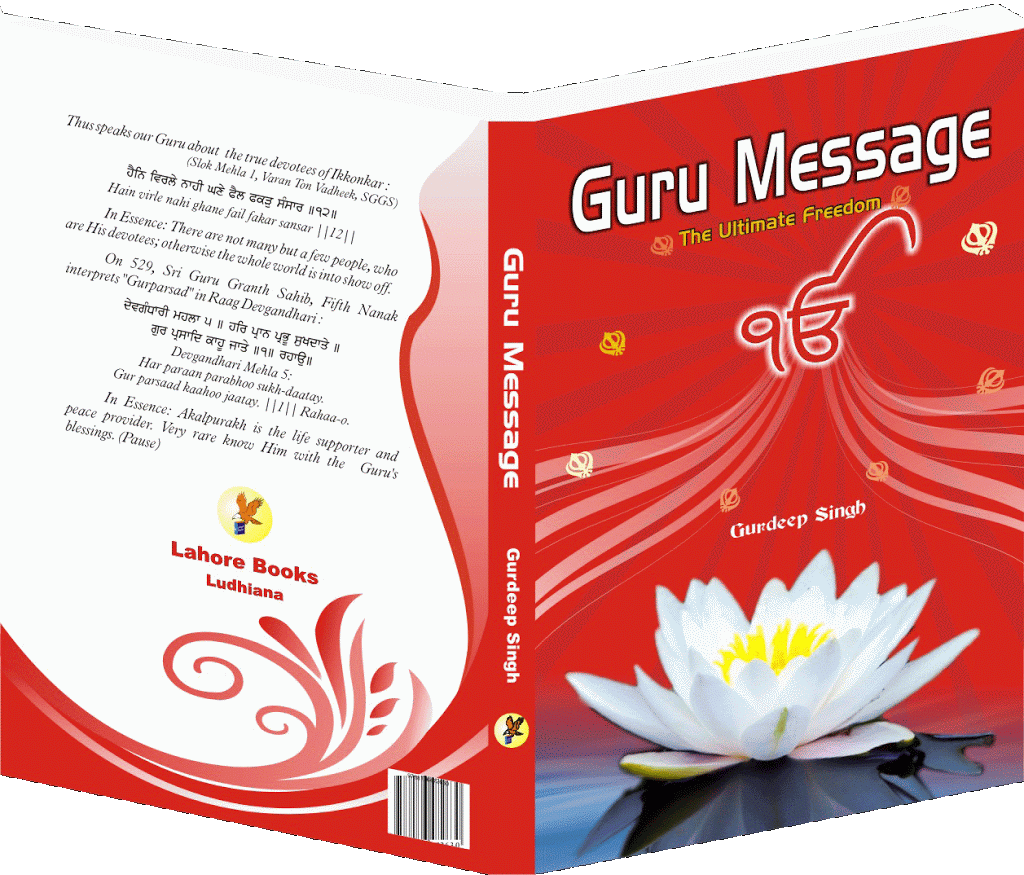
Read & Download GURU MESSAGE book

Understanding “Mool Mantra” , A Prelude To Jap Ji

If we, the Sikhs, don’t understand Mool Mantra (A prelude To Jap Ji), we know nothing about Sikhi; without understanding the concept of the Creator in “Mool Mantra”, we simply build our mansion of knowledge on stories told over times by those who were more interested in pursuit of their own quest than understanding fully the goal of our Gurus, or we are indulging in implying ideas of our own limits to every word used in Mool Mantra; if so, we often forget that every word used in Mool Mantra is elaborated in Sri Guru Granth in detail with examples ( Please check on 33,SGGS, 54 ,SGGS, 73,SGGS,78,SGGS,108,SGGS,391,SGGS,720,SGGS 748,SGGS, 930 SGGS, 931,SGGS,1385,SGGS and1412 SGGS); we cannot imply our own thought for which the words used in Mool Mantra do not stand. First Nanak introduces to us the Creator he has adored, praised and realized; his goal is to take the followers away from prevailed misconceptions about Him and to lead them directly to Him who, even being Formless and Invisible, keeps His presence in all. Through Many shabdas it is made clear that indeed, He is ikkonakaar which means “One All Pervading:; in other words, He is present very much within all (Please check for references on 11. SGGS, 25 SGGS, 33 SGGS, 47 SGGS, 56 SGGS, 128 SGGS, 152 SGGS, 181 SGGS,and 342 SGGS).

           It is commonplace practice of defining “ ੴ / Ikk Onakaar” as a new and complete description of “OM” in some Sikh circles, but It is not true if we look at its description in entire Sri Guru Granth Sahib. First Nanak elaborates it further through the words that follow it. From where he has taken the word “ਓ” is very clear from its own form; it is not found “as it is” in any ancient scriptures of India. While reading Upanishad and Simirtis, we come across a word “Aum” used for “Atam”; in Mandukya Upanishad (1-12), it is stated, “ Aum”, this is an eternal word. It symbolizes” what was, what is, and what shall be”. It also represents what is beyond the present and beyond the future”. Interestingly this concept keeps changing though, please read on: “God is all and the soul is God. The soul has four conditions. First condition is wakefulness, when the senses are turned outwards focusing on external world. The second condition is dreaming, when the senses are turned inwards focusing on past deeds and present desires. The third condition is dreamless sleep when desires are resting. The fourth condition is purity. The senses are neither turned outwards nor inwards; there is neither wakefulness nor dreaming. This condition is supreme consciousness, when there is complete awareness of the Soul. This fourth condition is expressed by the syllable “Aum”. This Upanishad calls the soul God but it also expresses “Aum” not as God but a Syllable that represents fourth condition of the soul. After reading that sometimes, the words like “Aum”, “Soul or Supreme Soul” and “God” appear to be conveying meaning of the Creator, but sometimes they appear to give different meanings, for example: God is all and the soul is God” as stated above, but look at this another example, “ by means of the soul, all living beings can know God; and this knowledge fills them with joy … “ Taittiriya Upanishad 2-6, 7. If through a soul, God is known; obviously, it appears that God is separate from the soul; by reading this, the mind certainly get confused about the concept God and the soul. In Rig Veda, Aum is expressed as divine syllable, the sustainer of the world:

           “The four quarters of the sky, reach down to the oceans on the edge of the universe, and from there, the waters flow, the whole universe is sustained by the divine syllable, Aum, which flows everywhere” Rig Veda 1:164-4, 45-46,51-52

           Later on in Rig Veda it is stated that God is one with many names but wise men know that He is one. No wonder, the Guru refers to such thought in Veda in Gurbani by saying that what the reality is expressed in Veda, they don’t believe but they follow later on sages who led them to idol worshiping ( Please check on 919 SGGS, 556 SGGS). Well, that is not topic of this article; therefore, let us see How the Guru expresses the Creator in His full concept.

           The Guru differs slightly with Upanishad and Vedas; the soul is not God but a part of God because God or Ikkoankar is also separate from the soul though it exists in beings like the butter in the milk. On 966, Mehla 5:

ਆਪੇ ਸਭਨਾ ਮੰਝਿ ਆਪੇ ਬਾਹਰਾ ॥

Āpe sabẖnā manjẖ āpe bāhrā.

In Essence: He is within all and He Himself is beyond all.

           There is very interesting statement in “Isa Upanishad “
“God travels and yet he does not, He is far away and yet He is near. He is in all beings, yet He is outside all beings”

It adds:

           “Those, who find God within themselves, and find God in others, lose all fear; those, who are at one with all beings, and discern the unity of all beings, lose all sorrows.
Isa Upnishda 1-2,4-8

           This is very closest statement to Gurbani in context of the Ikkoankaar. Interestingly, the soul is treated as one entity pervading in all in Upanishad, but Gurbani takes it further by separating the Creator completely from His Creation (555, SGGS):

ਪਉੜੀ ॥ ਆਪੇ ਸਭ ਘਟ ਅੰਦਰੇ ਆਪੇ ਹੀ ਬਾਹਰਿ ॥

ਆਪੇ ਗੁਪਤੁ ਵਰਤਦਾ ਆਪੇ ਹੀ ਜਾਹਰਿ ॥

ਜੁਗ ਛਤੀਹ ਗੁਬਾਰੁ ਕਰਿ ਵਰਤਿਆ ਸੁੰਨਾਹਰਿ ॥

ਓਥੈ ਵੇਦ ਪੁਰਾਨ ਨ ਸਾਸਤਾ ਆਪੇ ਹਰਿ ਨਰਹਰਿ ॥

ਬੈਠਾ ਤਾੜੀ ਲਾਇ ਆਪਿ ਸਭ ਦੂ ਹੀ ਬਾਹਰਿ ॥

ਆਪਣੀ ਮਿਤਿ ਆਪਿ ਜਾਣਦਾ ਆਪੇ ਹੀ ਗਉਹਰੁ ॥੧੮॥

Pa▫oṛī. Āpe sabẖ gẖat anḏre āpe hī bāhar.

Āpe gupaṯ varaṯḏā āpe hī jāhar.

Jug cẖẖaṯīh gubār kar varṯi▫ā sunnāhar.

Othai veḏ purān na sāsṯā āpe har narhar.

Baiṯẖā ṯāṛī lā▫e āp sabẖ ḏū hī bāhar.

Āpṇī miṯ āp jāṇḏā āpe hī ga▫uhar. ||18||

Stanza.

In Essence: Prabh Himself is within all but He is also outside. He prevails hidden and He Himself is manifest. For thirty six ages, He prevailed by Himself in pitch darkness. During that time, there were no Puranas and Shastras but Akalpurakh by Himself. Prabh is sitting in a trance separate from all. Prabh knows His limits though He is unfathomable ocean.

In context of Onakaar, let us read First Nanak on 929 SGGS:

ਓਅੰਕਾਰਿ ਬ੍ਰਹਮਾ ਉਤਪਤਿ ॥ ਓਅੰਕਾਰੁ ਕੀਆ ਜਿਨਿ ਚਿਤਿ ॥

ਓਅੰਕਾਰਿ ਸੈਲ ਜੁਗ ਭਏ ॥ ਓਅੰਕਾਰਿ ਬੇਦ ਨਿਰਮਏ ॥

ਓਅੰਕਾਰਿ ਸਬਦਿ ਉਧਰੇ ॥ ਓਅੰਕਾਰਿ ਗੁਰਮੁਖਿ ਤਰੇ ॥

ਓਨਮ ਅਖਰ ਸੁਣਹੁ ਬੀਚਾਰੁ ॥ ਓਨਮ ਅਖਰੁ ਤ੍ਰਿਭਵਣ ਸਾਰੁ ॥੧॥

O▫ankār barahmā uṯpaṯ. O▫ankār kī▫ā jin cẖiṯ.

O▫ankār sail jug bẖa▫e. O▫ankār beḏ nirma▫e.

 O▫ankār sabaḏ uḏẖre. O▫ankār gurmukẖ ṯare.

Onam akẖar suṇhu bīcẖār. Onam akẖar ṯaribẖavaṇ sār. ||1||

In Essence: Brahama was created by Onakaar(Akalpurakh). Brahama cherished Him in his mind. The whole world and the time difference of yuga (ages) have existed from Him, From Him Vedas came into existence. Through the Guru Shabada, the world was saved. With the grace of Onakaar, the mortals are saved (through the Guru shabda); thus, Onankaar ferries across the mortals through the Guru. Listen (oh Pundit!) and ponder over the word “onam” you write. This is for Akalpurakh who is the essence (the origin) of the whole world

Note; The Guru is addressing those people who write “onam nameh” for idols, and he makes it clear that the Barhma known as a Devta was His creation who kept Akalpurakh in his mind; whole world, ages and Vedas are because of Him. There was Guru Shabad through which many were saved; therefore, it is important to know for whom these words “onam nameh” should be used. These words should be used for the creator, the essence of the whole world.

           It is this word Onakaar that was literally corrected by First Nanak by attaching number one (੧) with it.

           As we study Gurbani, it becomes very clear that there is no other entity but one Creator that runs the entire show of the world and beyond. Obviously, using number one with “OnaKaar” (Onakaar is described in Gurbani, we know that (Please check on 885 and 999 SGGS Mehla 5, 929, 1285 SGGS, Mehla 1), the Guru stresses on oneness of the Creator. It is clear that the Guru doesn’t accept word “Om” or “Aum” as completely defining words of His virtues; therefore, he takes “ਓ” and uses a suffix “Kaar” with it to complete its meaningful usage, and its sound becomes different from “Aum ” and that is “ ਓਅੰਕਾਰ “(929 SGGS); obviously, there is no sound of “Om.” This very word is also used by Bhagat Kabir Ji as well (on 340 SGGS); however, the Guru brings it to its new version and that is “ੴ”. It is well explained in Gurbani as stated earlier. Stress here is given on His being one with His power of pervading all over. Bhai Gurdas defines the Mool Mantra in a compact version:

“ਏਕਾ ਏਕੰਕਾਰੁ ਲਿਖਿ ਦੇਖਾਲਿਆ ।

Aykaa aykankaaruz|ikhi daykhaaliaa|

By writing 1 (One number) in the beginning, Ekkankar is defined as the one only (ਏਕੰਕਾਰੁ is the right pronunciation of ੴ; please on 153, SGGS Mehla 1)

ਊੜਾ ਓਅੰਕਾਰੁ ਪਾਸਿ ਬਹਾਲਿਆ ।

Oorhaa aoankaaru paasi bahaaliaa|

[With the first number], and by using “oorha” as “Onkaar” with it (number one), [idea continues]

ਸਤਿ ਨਾਮੁ ਕਰਤਾਰੁ ਨਿਰਭਉ ਭਾਲਿਆ ।

Sati naamu karataaru nirabhau bhaaliaa|

The reality of the Name of fearless Creator is made understood.

ਨਿਰਵੈਰਹੁ ਜੈਕਾਰੁ ਅਜੂਨਿ ਅਕਾਲਿਆ ।

niravairahu jaikaaru ajooni akaaliaa|

and also it is explained that the Creator is beyond enmity, birth and death [Vaaran Bhai Gurdas]

           Bhai Gurdas had the honor of scribing Gurbani as per the order of Fifth Nanak; obviously, he got the Mool Mantra understood completely by being very close to Fifth Nanak. Some people question him too, why I wonder?

Now let us see how far First Nanak goes to express it in his own words.

ੴ ਸਤਿ ਨਾਮੁ ਕਰਤਾ ਪੁਰਖੁ

ਨਿਰਭਉ ਨਿਰਵੈਰੁ

ਅਕਾਲ ਮੂਰਤਿ ਅਜੂਨੀ ਸੈਭੰ ਗੁਰ ਪ੍ਰਸਾਦਿ ॥

Ik▫oaʼnkār saṯ nām karṯā purakẖ

nirbẖa▫o nirvair

akāl mūraṯ ajūnī saibẖaʼn gurparsāḏ.

ੴ, before First Nanak, there was “Onakaar,” as we see used by Bhagat Kabir Ji who was here before First Nanak. it was indeed used for the Creator but First Nanak used “੧” with Onakaar; it consists of two parts, first is, “”On” and the second is “Kaar”; “Onkaar” has been also used in Gurbani as the Creator of “the beginning”(1061 SGGS) “Kaar” is described by Bhai Veer Singh as “only one special” (Sri Guru Granth Sahib Kosh-51), but as per Dr Sahib Singh, it means“ All Pervading equally” . First Nanak adds with it “, ੧” to convey oneness of “Onankaar; in simple words as per the Guru,” Akalpurakh is the only one who pervades all over equally.” Here it also represents the Creator and all the names given to Him. The Gurus and the Bhagatas call Him with numerous names; many of such names were attached to exceptional personalities of the History of India; that is why they all, the Gurus and the Bhagatas,keep calling Him as “all pervading” to separate Him from all others who bore these (His) names ( Please see examples on 436,SGGS and 469, SGGS); however, they departed from here as per His “will.” Obviously they couldn’t be “Ikkankaar”.

[Part 1 ends] To Be Continued.

https://www.gursoch.com/gurmat-vichar/understanding-mool-mantra-a-prelude-to-japji-final/

Humbly

G Singh

The Guru’s Call: Coming Out Of Deceptive Concepts

Last year, I visited Punjab, India; what I saw was mind boggling in context of a Sikh way of life. I am not against any faith but what is not acceptable to me is to claim to be Sikhs while also practicing stone idol honoring as a Sikh. Sikhi rejects worshiping of stones or men outright; there are numerous Gurbani verses that prohibit such practices while walking on the path of Sikhi. I went to attend Bhog –ceremony (completion of reading of Sri Guru Granth Sahib) and faced Ganesh idol welcoming me as I entered the house of a Sikh where bhog ceremony was held; besides, I have seen many shops of Sikh proprietors decorated with idols of Devtas. Is it to get customers? Contrary to that I visited shops run by Muslim proprietors and found no such idols or pictures in their shops, and surprisingly they were getting pretty good business. What went wrong? Many Sikhs may know already that Sikh missionary- efforts are almost dead and Guru-golak is under the control of those persons who don’t care about the Guru Message highly advocated by the Gurus by putting their lives on the line. Today in Punjab, the plight of Sikhi is pitiable; the Guru Golak of Gurdawaras existing throughout India needs to be given to those who are determined to pass on the Guru Message without bowing in to Maya avalanche or who act as volunteers to spread the ideology of the Guru. Doesn’t it appear sad that against what the Gurus stood is being practiced right in Gurduwara ? When did Tenth Nanak sacrifice an innocent goat to put blood on the weapons? It is old Hindu tradition but why it is happening in Hazoor Sahib Gurduwara? Anandpur Sahib, where Tenth Nanak spent about 39 years, is not deemed as important as Hazoor Sahib where he merely spent 4 years. Why it is propagated that if one doesn’t go to Hazoor Sahib once in life time, he or she will suffer; Gurmat rejects such claims. Such dogma is prevailed among Muslims and Hindus in context of their pilgrimage-places? Reason is very simple, we, Sikhs, have forgotten what our Gurus said through Gurbani and have started following the crowd. Hearsay has become more important to us than the evidence found in Gurbani. If I start giving examples of defiant behavior of some Sikhs toward the Guru teachings, this article will not be able to cover that all. Instead, I am going to elaborate a Guru Shabda that opens the eyes of the Guru followers in the context I just stated above. It is all about worshiping of the All Pervading One Almighty, and it also explains how worship should be performed. It is in Raag Gujri, on 499, SGGS.

ਰਾਗੁ ਗੂਜਰੀ ਮਹਲਾ ੧ ਚਉਪਦੇ ਘਰੁ ੧ ॥ 

Rāg gūjrī mėhlā 1 cẖa▫upḏe gẖar 1

Raag Gujri, Bani of First Nanak, Choupade, House 1

ਤੇਰਾ ਨਾਮੁ ਕਰੀ ਚਨਣਾਠੀਆ ਜੇ ਮਨੁ ਉਰਸਾ ਹੋਇ ॥

ਕਰਣੀ ਕੁੰਗੂ ਜੇ ਰਲੈ ਘਟ ਅੰਤਰਿ ਪੂਜਾ ਹੋਇ ॥੧॥ 

Ŧerā nām karī cẖanṇāṯẖī▫ā je man ursā ho▫e.

Karṇī kungū je ralai gẖat anṯar pūjā ho▫e. ||1||

In Essence: Oh Prabh! , if I could use your Name as sandal to impregnate my mind with your fragrance and If I could make my mind stone to rub it with your Name, and if my pure way of living could serve as saffron for worshiping, then your worship would start occurring within.

          Please read carefully and try to find out what is needed for worshiping the Creator. Do we need flowers, Sandal or Saffron to please Him? The Guru is very clear on this; he says that what we need is Prabh’s Name (also you can take it as His memory). It is done by Keeping His memory in the heart, making the heart strong enough to negate Maya influences and bedecking it with virtues to get ready to worship the Creator. When the heart is impregnated with the fragrance of His Name, and it is filled with virtues through His Name, a virtuous way of life emerges; that is the very important factor to worship Him. With all that, a miracle occurs within, through His memory, an automatic worshiping starts occurring. We rarely focus on Him as our Guru says. What do we do? Placing materialistic things before Sri Guru Granth Sahib and bow even when our minds fly with our fantasies; then we read a list of demands to be fulfilled. We call it prayer. Our devotion dies at its birth. It is littered with desires, greed and conceit. The Guru teaches otherwise; in other words, he asks us to get changed by shedding off the crowd mentality. The Guru has taught us in very clear words that we really don’t need to accept the prevailed process of worshiping but to create within an automatic worshiping.

          ਚਨਣਾਠੀਆ = {ਚੰਦਨ ਕਾਠ} ਚੰਦਨ ਦੀ ਲੱਕੜੀ। ਕਰੀ = ਮੈਂ ਕਰਾਂ। ਉਰਸਾ = ਸਿਲ, ਚੰਦਨ ਘਸਾਣ ਵਾਲਾ ਵੱਟਾ। ਕਰਣੀ = ਉੱਚਾ ਆਚਰਨ। ਕੁੰਗੂ = ਕੁੰਕੁਮ, ਕੇਸਰ। ਘਟ = ਹਿਰਦਾ।੧।

          (ਹੇ ਪ੍ਰਭੂ!) ਜੇ ਮੈਂ ਤੇਰੇ ਨਾਮ (ਦੀ ਯਾਦ) ਨੂੰ ਚੰਨਣ ਦੀ ਲੱਕੜੀ ਬਣਾ ਲਵਾਂ, ਜੇ ਮੇਰਾ ਮਨ (ਉਸ ਚੰਦਨ ਦੀ ਲੱਕੜੀ ਨੂੰ ਘਸਾਣ ਵਾਸਤੇ) ਸਿਲ ਬਣ ਜਾਏ, ਜੇ ਮੇਰਾ ਉੱਚਾ ਆਚਰਨ (ਇਹਨਾਂ ਦੇ ਨਾਲ) ਕੇਸਰ (ਬਣ ਕੇ) ਰਲ ਜਾਏ, ਤਾਂ ਤੇਰੀ ਪੂਜਾ ਮੇਰੇ ਹਿਰਦੇ ਦੇ ਅੰਦਰ ਹੀ ਪਈ ਹੋਵੇਗੀ।੧।

ਪੂਜਾ ਕੀਚੈ ਨਾਮੁ ਧਿਆਈਐ ਬਿਨੁ ਨਾਵੈ ਪੂਜ ਨ ਹੋਇ ॥੧॥ ਰਹਾਉ ॥ 

Pūjā kīcẖai nām ḏẖi▫ā▫ī▫ai bin nāvai pūj na ho▫e. ||1|| rahā▫o.

In Essence: Perform worship by contemplating His Name because without His Name, worship cannot be done. (Pause)

          Whatever the ways of worshiping prevail, they don’t come to the standard of worshiping if contemplation of His Name is lacked; contemplating Him requires the heart totally devoted to Him. And, the heart devoted to Him, seeks virtues that purify and enable it to perform real worship; however, contaminated mind regardless what it does, remains in question because of its impurity created by low morality and faulted ethics. Again, yes, worship Him but through focusing on His Name and cleaning the mind with the Name. If He is kept in the heart, nothing bad can be done because His memory in the heart stands like the iron fence against ill – intentions.

          ਕੀਚੈ = ਕਰਨੀ ਚਾਹੀਦੀ ਹੈ। ਪੂਜ = ਪੂਜਾ।੧।ਰਹਾਉ।

          (ਹੇ ਭਾਈ!) ਪਰਮਾਤਮਾ ਦਾ ਨਾਮ ਸਿਮਰਨਾ ਚਾਹੀਦਾ ਹੈ, ਇਹੀ ਪੂਜਾ ਕਰਨੀ ਚਾਹੀਦੀ ਹੈ। ਪਰਮਾਤਮਾ ਦਾ ਨਾਮ ਸਿਮਰਨ ਤੋਂ ਬਿਨਾ ਹੋਰ ਕੋਈ ਪੂਜਾ (ਐਸੀ) ਨਹੀਂ (ਜੋ ਪਰਵਾਨ ਹੋ ਸਕੇ)।੧।ਰਹਾਉ।

ਬਾਹਰਿ ਦੇਵ ਪਖਾਲੀਅਹਿ ਜੇ ਮਨੁ ਧੋਵੈ ਕੋਇ ॥

ਜੂਠਿ ਲਹੈ ਜੀਉ ਮਾਜੀਐ ਮੋਖ ਪਇਆਣਾ ਹੋਇ ॥੨॥ 

Bāhar ḏev pakẖālī▫ah je man ḏẖovai ko▫e.

Jūṯẖ lahai jī▫o mājī▫ai mokẖ pa▫i▫āṇā ho▫e. ||2||

In Essence: Devta-idols are washed outside, but instead, if a person cleanses his/her heart, only then it is good; by cleaning the heart, the impurity of the heart is washed off; thus, the journey of life becomes free of filth of Maya.

          Cleaning idols is very simple act; you can do it while planning to rob someone; it is a conditional act often done by our subconscious mind. Contrary to that, cleaning the mind by keeping Prabh in the heart is not that easy; it is not a conditional act either. It needs complete attention and strong efforts. The Guru says that this is what is necessary for worshiping Akalpurakh.

          Here the Guru is pointing out the fall many people take as they practice superficial rituals for worshiping to make their lives graceful; in these verses, the Guru brings their lives enveloped in hypocrisy in question. The Guru says that it would have been wonderful for them if they cleaned their hearts by keeping Prabh’s memory in their hearts instead of sticking to the rituals (which literally do not help to become worthy of Him). Performing rituals is not a true worship (See the Rahao Verses) because without His Name, worship just cannot be done; it doesn’t do anything; he stresses that without keeping His Name in the heart, there will be no worship; it is His memory and love for Him that bring a beautiful change in the life. If self conceit, lust, anger, greed and attachment remain powerful to guide the life, what avail are religious deeds? He continues to express his idea of becoming virtuous by giving an example of the animals that eat modest food but in return give the milk that is very benefit for all. That is the virtuous way of life the Guru refers to in the first verses.

          ਦੇਵ = ਦੇਵਤੇ, ਮੂਰਤੀਆਂ। ਪਖਾਲੀਅਹਿ = ਧੋਤੇ ਜਾਂਦੇ ਹਨ। ਜੂਠਿ = ਵਿਕਾਰਾਂ ਦੀ ਮੈਲ। ਮਾਜੀਐ = ਮਾਂਜਿਆ ਜਾਂਦਾ ਹੈ, ਸਾਫ਼ ਪਵਿਤ੍ਰ ਹੋ ਜਾਂਦਾ ਹੈ। ਮੋਖ = ਵਿਕਾਰਾਂ ਤੋਂ ਆਜ਼ਾਦ, ਖੁਲ੍ਹਾ। ਪਇਆਣਾ = {प्रयाण} ਸਫ਼ਰ।੨।

          ਜਿਵੇਂ ਬਾਹਰ ਦੇਵ-ਮੂਰਤੀਆਂ ਦੇ ਇਸ਼ਨਾਨ ਕਰਾਈਦੇ ਹਨ, ਤਿਵੇਂ ਜੇ ਕੋਈ ਮਨੁੱਖ ਆਪਣੇ ਮਨ ਨੂੰ (ਨਾਮ-ਸਿਮਰਨ ਨਾਲ) ਧੋਵੇ, ਤਾਂ ਉਸ ਦੇ ਮਨ ਦੀ ਵਿਕਾਰਾਂ ਦੀ ਮੈਲ ਲਹਿ ਜਾਂਦੀ ਹੈ, ਉਸ ਦੀ ਜਿੰਦ ਸੁੱਧ-ਪਵਿਤ੍ਰ ਹੋ ਜਾਂਦੀ ਹੈ, ਉਸ ਦਾ ਜੀਵਨ-ਸਫ਼ਰ ਵਿਕਾਰਾਂ ਤੋਂ ਆਜ਼ਾਦ ਹੋ ਜਾਂਦਾ ਹੈ।੨।

ਪਸੂ ਮਿਲਹਿ ਚੰਗਿਆਈਆ ਖੜੁ ਖਾਵਹਿ ਅੰਮ੍ਰਿਤੁ ਦੇਹਿ ॥

ਨਾਮ ਵਿਹੂਣੇ ਆਦਮੀ ਧ੍ਰਿਗੁ ਜੀਵਣ ਕਰਮ ਕਰੇਹਿ ॥੩॥ 

Pasū milėh cẖang▫ā▫ī▫ā kẖaṛ kẖāvėh amriṯ ḏėh.

Nām vihūṇe āḏmī ḏẖarig jīvaṇ karam karehi. ||3||

In Essence: The animals that give milk after eating mere grass are praised, but the lives of the human beings and what they do are accursed without His Name.

          What the people do without His Name? They plan to gather wealth to satisfy their insatiable minds, to deceive others and to feed their own conceit. They perform prevailed religious worshiping to be accepted by the society they live in. They make hypocrisy their weapon to succeed in their lives. The Guru says that such persons’ lives and actions are accursed. The Guru is absolutely pointing out the truth. They do not have Prabh’s memory in their hearts and they run directionless like a mad animal. When His memory is in the heart, only He is worshiped; only virtuous deeds are done as He is felt very close. Those who forget Him, they feel Him far away; they think they can get away what they do at the command of their minds. The Guru says that He is not far away, therefore, never ever think that anything can be hidden from Him; actually we get what He provides to us, and if we think we obtain everything at our own, obviously, we are enjoying an illusion. We are always led by Him as per First Nanak (935, SGGS, Mehla 1).

          ਖੜੁ = ਘਾਹ। ਅੰਮ੍ਰਿਤੁ = (ਦੁੱਧ ਵਰਗਾ) ਉੱਤਮ ਪਦਾਰਥ। ਵਿਹੂਣੇ = ਸੱਖਣੇ। ਧ੍ਰਿਗੁ = ਫਿਟਕਾਰ-ਯੋਗ। ਕਰੇਹਿ = ਕਰਹਿ, ਕਰਦੇ ਹਨ।੩।

          (ਇਸ ਧਰਤੀ ਉਤੇ ਮਨੁੱਖ, ਪਸ਼ੂ ਪੰਛੀ ਆਦਿਕ ਸਭ ਦਾ ਸਿਰਦਾਰ ਮੰਨਿਆ ਜਾਂਦਾ ਹੈ, ਪਰ) ਪਸ਼ੂਆਂ ਨੂੰ ਸ਼ਾਬਾਸ਼ੇ ਮਿਲਦੀਆਂ ਹਨ, ਉਹ ਘਾਹ ਖਾਂਦੇ ਹਨ ਤੇ (ਦੁੱਧ ਵਰਗਾ) ਉੱਤਮ ਪਦਾਰਥ ਦੇਂਦੇ ਹਨ। ਨਾਮ ਤੋਂ ਸੱਖਣੇ ਮਨੁੱਖਾਂ ਦਾ ਜੀਵਨ ਫਿਟਕਾਰ-ਜੋਗ ਹੈ ਕਿਉਂਕਿ ਉਹ (ਨਾਮ ਵਿਸਾਰ ਕੇ ਹੋਰ ਹੋਰ) ਕੰਮ ਹੀ ਕਰਦੇ ਹਨ।੩।

ਨੇੜਾ ਹੈ ਦੂਰਿ ਨ ਜਾਣਿਅਹੁ ਨਿਤ ਸਾਰੇ ਸੰਮ੍ਹ੍ਹਾਲੇ ॥

ਜੋ ਦੇਵੈ ਸੋ ਖਾਵਣਾ ਕਹੁ ਨਾਨਕ ਸਾਚਾ ਹੇ ॥੪॥੧॥ 

Neṛā hai ḏūr na jāṇi▫ahu niṯ sāre samĥāle.

Jo ḏevai so kẖāvṇā kaho Nānak sācẖā he. ||4||1||

In Essence: Nanak utter this: Akalpurakh is eternal who takes care of all of us, and He is not far away but very near; we all eat what He gives to us.

          ਨੇੜਾ = ਨੇੜਤਾ, ਨੇੜੇ ਦੀ ਸਾਂਝ, ਡੂੰਘੀ ਸਾਂਝ। ਸਾਰੇ = ਸਾਰ ਲੈਂਦਾ ਹੈ। ਸੰਮ੍ਹ੍ਹਾਲੇ = ਸੰਭਾਲ ਕਰਦਾ ਹੈ। ਸਾਚਾ = 

ਸਦਾ-ਥਿਰ ਰਹਿਣ ਵਾਲਾ। ਹੇ = ਹੈ।੪।

          ਹੇ ਨਾਨਕ! (ਆਖ-ਹੇ ਭਾਈ!) ਸਾਡੀ ਤੇ ਪ੍ਰਭੂ ਦੀ ਬੜੀ ਨੇੜੇ ਦੀ ਸਾਂਝ ਹੈ (ਇਤਨੀ ਨੇੜੇ ਦੀ ਕਿ) ਜੋ ਕੁਝ ਉਹ ਸਾਨੂੰ ਦੇਂਦਾ ਹੈ ਉਹੀ ਅਸੀਂ ਖਾਂਦੇ ਹਾਂ (ਖਾ ਕੇ ਜੀਵਨ-ਨਿਰਬਾਹ ਕਰਦੇ ਹਾਂ), ਉਹ (ਦਾਤਾ) ਹੈ ਭੀ ਸਦਾ (ਸਾਡੇ ਸਿਰ ਉਤੇ) ਕਾਇਮ। ਉਸ ਨੂੰ ਆਪਣੇ ਤੋਂ ਦੂਰ ਨਾਹ ਸਮਝੋ, ਉਹ ਸਦਾ ਸਾਡੀ ਸਾਰ ਲੈਂਦਾ ਹੈ ਸੰਭਾਲ ਕਰਦਾ ਹੈ (ਮੂਰਤੀਆਂ ਦੀ ਪੂਜਾ ਕਰਨ ਦੇ ਥਾਂ ਉਸ ਹਾਜ਼ਰ-ਨਾਜ਼ਰ ਪ੍ਰਭੂ ਦਾ ਨਾਮ ਧਿਆਵੋ)।੪।੧।

          Nobody gives us; nobody has that potent power but the Creator; when He is the benefactor and protector, why should we worship anyone other? When He is always close by us, why to perform hypocritical deeds? He is watching us and nothing is hidden from Him. The Guru suggests that what we eat is not given by anyone but Him and He is always close to us; therefore, we should worship Him. How we should worship Him, the Guru has made that also clear by giving example of real worshiping done by keeping His Name memory in the heart.

          Why do we need a picture or an idol? Why we show weakness when we have taken refuge of Him who is the Creator and Protector of all? The Guru has explained us how close He is; there is no reason to wander around in search of Him on the places people built on hearsay stories. He is within us and to get blended with Him, our “within” needs to be cleaned through the love of His Name. When He is with us, we do not need anyone. He has created the Maya (15, SGGS, Mehla 1) but He has also shown us a way out of it through the Guru and His true devotees (17, SGGS, Mehla 1). It doesn’t matter what kind of drums are being beaten by others when we are blessed to understand what the Guru wants from us to become worthy to worship Him. If we follow the Guru, we respect the Guru truly, and we are on Guru’s boat. If we keep looking around in dilemma, the Guru’s boat will pass by. That is why the Guru says that there are some mind slaves who sink in Maya ocean while the boat of the Guru is close by (40, SGGS, Mehla 4). The Guru concludes that real worship or bowing is not in mere talking or performing rituals but keeping true faith in His Name; please read the following verses, they are 878, SGGS:

ਰਾਮਕਲੀ ਮਹਲਾ ੧ ॥

ਤੁਧਨੋ ਨਿਵਣੁ ਮੰਨਣੁ ਤੇਰਾ ਨਾਉ ॥

ਸਾਚੁ ਭੇਟ ਬੈਸਣ ਕਉ ਥਾਉ ॥ ਸਤੁ ਸੰਤੋਖੁ ਹੋਵੈ ਅਰਦਾਸਿ ॥

ਤਾ ਸੁਣਿ ਸਦਿ ਬਹਾਲੇ ਪਾਸਿ ॥੧॥ 

Rāmkalī mėhlā 1.

Ŧuḏẖno nivaṇ manaṇ ṯerā nā▫o.

Sācẖ bẖet baisaṇ ka▫o thā▫o. Saṯ sanṯokẖ hovai arḏās.

Ŧā suṇ saḏ bahāle pās. ||1||

Raag Ramkli, Bani of First Nanak.

In Essence: Oh Prabh! To put faith in your Name is bowing to you; to praise your true Name is the offering to you that brings your closeness. If serving others (humanity service) and contentment are begged from Prabh, He hears that prayer and blesses the mortal to be with Him.

          ਤੁਧ ਨੋ = ਤੈਨੂੰ, ਤੇਰੇ ਅੱਗੇ। ਨਿਵਣੁ = ਸਿਰ ਨਿਵਾਣਾ। ਮੰਨਣੁ = ਪਤੀਜਣਾ, ਡੂੰਘੀ ਸਾਂਝ ਪਾਣੀ। ਸਾਚੁ = ਸਿਫ਼ਤਿ-ਸਾਲਾਹ। ਬੈਸਣ ਕਉ = ਬੈਠਣ ਲਈ। ਸਤੁ = ਦਾਨ, ਸੇਵਾ। ਸੁਣਿ = ਸੁਣ ਕੇ। ਸਦਿ = ਸੱਦ ਕੇ।੧।

          (ਹੇ ਪ੍ਰਭੂ!) ਤੇਰੇ ਨਾਮ ਨਾਲ ਡੂੰਘੀ ਸਾਂਝ ਪਾਣੀ ਤੇਰੇ ਅੱਗੇ ਸਿਰ ਨਿਵਾਣਾ ਹੈ, ਤੇਰੀ ਸਿਫ਼ਤਿ-ਸਾਲਾਹ (ਤੇਰੇ ਦਰ ਤੇ ਪਰਵਾਨ ਹੋਣੀ ਵਾਲੀ) ਭੇਟਾ ਹੈ (ਜਿਸ ਦੀ ਬਰਕਤਿ ਨਾਲ ਤੇਰੀ ਹਜ਼ੂਰੀ ਵਿਚ) ਬੈਠਣ ਲਈ ਥਾਂ ਮਿਲਦਾ ਹੈ। (ਹੇ ਭਾਈ!) ਜਦੋਂ ਮਨੁੱਖ ਸੰਤੋਖ ਧਾਰਦਾ ਹੈ, (ਦੂਜਿਆਂ ਦੀ) ਸੇਵਾ ਕਰਦਾ ਹੈ (ਤੇ ਇਸ ਜੀਵਨ-ਮਰਯਾਦਾ ਵਿਚ ਰਹਿ ਕੇ ਪ੍ਰਭੂ-ਦਰ ਤੇ) ਅਰਦਾਸ ਕਰਦਾ ਹੈ, ਤਦੋਂ (ਅਰਦਾਸ) ਸੁਣ ਕੇ (ਸਵਾਲੀ ਨੂੰ) ਸੱਦ ਕੇ ਪ੍ਰਭੂ ਆਪਣੇ ਕੋਲ ਬਿਠਾਂਦਾ ਹੈ।੧।

          We, Sikhs, should not fear of others and never ever should give in to please others; we should keep full faith in the Guru and the Creator and should continue our lives guided by the Guru teachings; we should respect all people of different faiths but strictly our aim of life is to please the Guru by obeying Him instead of pleasing others. If others claim to find satisfaction in idols or in any other ways, we should wish them good luck but our liberation lies in worshiping of that Akalpurakh who has created all; nothing should come between Him and us.

          My appeal to my Sikh brothers and sisters is that it is time to come home and remain with the Guru forever and never let anyone denture you away from the Guru and His gift of Prabh’s Name. The Guru saves us from falling if his teachings are enshrined in the heart, the Guru verifies it on 587 SGGS ( Mehla 4):

ਸੋ ਸਤਿਗੁਰੁ ਪਿਆਰਾ ਮੇਰੈ ਨਾਲਿ ਹੈ ਜਿਥੈ ਕਿਥੈ ਮੈਨੋ ਲਏ ਛਡਾਈ ॥

ਤਿਸੁ ਗੁਰ ਕਉ ਸਾਬਾਸਿ ਹੈ ਜਿਨਿ ਹਰਿ ਸੋਝੀ ਪਾਈ ॥

So saṯgur pi▫ārā merai nāl hai jithai kithai maino la▫e cẖẖadā▫ī.

Ŧis gur ka▫o sābās hai jin har sojẖī pā▫ī.

In Essence: That dear true Guru is with me who here and there saves me (from Maya influences and ill – intentions); I applaud that Guru who has given me understanding of Akalpurakh.

          ਉਹ ਪਿਆਰਾ ਸਤਿਗੁਰੂ ਮੇਰੇ ਅੰਗ ਸੰਗ ਹੈ, ਸਭ ਥਾਈਂ ਮੈਨੂੰ (ਵਿਕਾਰਾਂ ਤੋਂ) ਛਡਾ ਲੈਂਦਾ ਹੈ; ਸ਼ਾਬਾਸ਼ੇ ਉਸ ਸਤਿਗੁਰੂ ਨੂੰ ਜਿਸ ਨੇ ਮੈਨੂੰ ਪਰਮਾਤਮਾ ਦੀ ਸੂਝ ਪਾਈ ਹੈ।

          The Guru’s guidance bars us from falling for idols and other entities other than the Creator because our Guru wants to connect us to Akalpurakh to whom we belong; the Guru asks us to do the right worshiping and to get out of misguided paths; all the attractive but deceptive shops are not for us. Keeping the Guru’s advice in the mind and ignoring all the shows is real Sikhi. If we forget what the Guru says, and we try to blend in deluded crowd mentality ignorantly, we will keep falling further; we should realize that the Guru is no more with us; thus, we walk in the darkness of ignorance. We don’t deserve that. If we deem the Guru guidance as our guiding light, our Guru will definitely save us.

          Always bear it in mind that we fall when we lose balance.

Interpretation is done by Dr. Sahib Singh Ji

Humbly,

G Singh